
Solar Energy

Im dynamischen deutschen Online-Glücksspielmarkt spielen Ein- und Auszahlungslimits eine entscheidende Rolle für Spieler und Betreiber gleichermaßen. Diese Limits sind nicht nur regulatorische Anforderungen, sondern auch wichtige Werkzeuge für verantwortungsvolles Spielen. Während die Suche nach den besten siti scommesse oft im Vordergrund steht, verstehen viele Spieler nicht vollständig, wie monatliche Ein- und Auszahlungslimits funktionieren und warum sie existieren. Die richtige Plattform zu wählen kann den Unterschied beim Erlebnis im Online-Casino ausmachen, und informierte Spieler wissen, worauf sie achten müssen, wenn sie nach vertrauenswürdigen siti scommesse online suchen.

Online Casino: Spielautomaten und Live-Spiele im Überblick

Monatliche Limits dienen dazu, sowohl Spieler als auch Anbieter zu schützen, und gehören zu den wichtigsten Aspekten, die man bei der Auswahl der migliori siti scommesse berücksichtigen sollte. Diese Limits variieren je nach Anbieter, Lizenz und den deutschen regulatorischen Anforderungen. Erfahrungsberichte zu registrieren Gamblezen liefern eine erste Orientierung im deutschen Markt. Für Spieler bedeutet dies, dass sie ihre Spielgewohnheiten besser kontrollieren können und für Anbieter, dass sie den regulatorischen Rahmen einhalten. Bei der Evaluierung von bookmaker online Plattformen ist es wichtig, die spezifischen Limits zu verstehen, die auf den jeweiligen Kontext zugeschnitten sind.

Eine tiefgreifende Kenntnis dieser Limits ermöglicht es den Spielern, informierte Entscheidungen zu treffen und sichere, kontrollierte Spielumgebungen zu schaffen. Wenn Sie nach seriösen siti di scommesse sportive suchen, sollten Sie darauf achten, dass diese klare Informationen zu ihren Ein- und Auszahlungslimiten bereitstellen. Viele der besten siti scommesse bonus Angebote beinhalten auch spezifische Regelungen zu diesen Limits, um eine transparente und faire Spielumgebung für alle Nutzer zu gewährleisten.

Verständnis von Ein- und Auszahlungslimits

Was sind Ein- und Auszahlungslimits?

Ein- und Auszahlungslimits sind Obergrenzen, die von Online-Casinos und Wettanbietern festgelegt werden, um den Geldfluss zwischen Spielern und Plattform zu regulieren. Diese Limits können täglich, wöchentlich oder monatlich festgelegt werden und sind ein wesentlicher Bestandteil des verantwortungsvollen Spielmanagements. Einzahlungslimits begrenzen den Betrag, den ein Spieler innerhalb eines bestimmten Zeitraums einzahlen kann, während Auszahlungslimits die maximale Summe bestimmen, die ein Spieler abheben kann.

Warum diese Limits wichtig sind

Diese Limits dienen mehreren wichtigen Zwecken. Für Spieler bieten sie Schutz vor übermäßigem Spielen und finanziellen Verlusten. Für Anbieter stellen sie sicher, dass sie ihren finanziellen Verpflichtungen nachkommen können und dass die Plattform stabil bleibt. Darüber hinaus erfüllen die regulatorischen Anforderungen des deutschen Marktes die Pflicht zur Einführung solcher Limits, um einen sicheren und kontrollierten Glücksspielmarkt zu schaffen.

Regulatorische Rahmenbedingungen in Deutschland

Staatliche Regulierung und ihre Auswirkungen

Der deutsche Glücksspielmarkt wird durch strenge regulatorische Vorschriften kontrolliert, die sowohl für Online-Casinos als auch für Wettanbieter gelten. Der Glücksspielstaatsvertrag (GlüStV) regiert den Markt und legt die Grundlage für die Einführung von Ein- und Auszahlungslimits. Diese Vorschriften sicherstellen, dass alle Anbieter die gleichen Standards einhalten und den Schutz der Spieler gewährleisten.

Die staatliche Regulierung hat den deutschen Glücksspielmarkt grundlegend verändert und zu mehr Transparenz und Sicherheit für Spieler geführt. Anbieter müssen nun klare Informationen zu ihren Limits und deren Anwendung bereitstellen, was den Vergleich zwischen verschiedenen siti scommesse Plattformen erleichtert. Diese Regulierungen haben auch zu einer stärkeren Betonung von verantwortungsvollem Spielen geführt, was für die migliori siti scommesse ein entscheidender Faktor geworden ist.

Lizenzerfordernisse für Anbieter

Um in Deutschland legal operieren zu können, müssen Glücksspielanbieter eine entsprechende Lizenz erhalten, die die Einhaltung aller regulatorischen Anforderungen sicherstellt. Dazu gehört auch die Implementierung angemessener Ein- und Auszahlungslimits. Die Lizenzierung stellt sicher, dass Anbieter wie die Plattform Gamblezen online bestimmte Standards erfüllen und einen sicheren, fairen Spielbetrieb gewährleisten.

Typische Limit-Strukturen bei deutschen Anbietern

Standardlimits für Einzahlungen

Die meisten deutschen siti scommesse online bieten Standardlimits für Einzahlungen an, die je nach Plattform variieren können. Typischerweise liegen die monatlichen Einzahlungslimits zwischen 1.000 und 10.000 Euro, wobei einige Premium-Anbieter für VIP-Spieler höhere Limits anbieten können. Diese Limits sind darauf ausgelegt, Spielern genügend Flexibilität zu bieten, während gleichzeitig verantwortungsvolles Spielen gefördert wird.

Bei der Auswahl von bookmaker online Plattformen sollten Spieler die spezifischen Limits berücksichtigen, da diese sich erheblich unterscheiden können. Einige Anbieter bieten flexible Optionen, die es Spielern ermöglichen, ihre eigenen Limits innerhalb bestimmter Grenzen festzulegen, was eine personalisierte Kontrolle ermöglicht.

Anbieter-TypStandard-Monatseinzahlungs-LimitStandard-Monatsauszahlungs-Limit
Standard-Casino1.000 – 5.000 €10.000 – 50.000 €
Premium-Casino5.000 – 10.000 €50.000 – 100.000 €
VIP-Casino10.000 – 50.000 €100.000 – 500.000 €
Standard-Buchmacher500 – 3.000 €5.000 – 20.000 €
Premium-Buchmacher3.000 – 8.000 €20.000 – 80.000 €
VIP-Buchmacher8.000 – 30.000 €80.000 – 300.000 €

Standardlimits für Auszahlungen

Auszahlungslimits sind in der Regel höher als Einzahlungslimits, da es sich um Gewinne handelt, die bereits während des Spiels erzielt wurden. Bei deutschen siti di scommesse sportive liegen die monatlichen Auszahlungslimits typischerweise zwischen 5.000 und 50.000 Euro, wobei Premium-Anbieter oft deutlich höhere Limits für treue Kunden anbieten können.

So passen Sie die Limits an Ihre Bedürfnisse an

Individuelle Limit-Einstellungen

Viele moderne siti scommesse bonus Plattformen bieten die Möglichkeit, individuelle Ein- und Auszahlungslimits festzulegen. Diese Funktion ermöglicht es Spielern, ihre Limits basierend auf ihren persönlichen finanziellen Umständen und Spielgewohnheiten anzupassen. Spieler können in der Regel monatliche Limits direkt in ihrem Konto einstellen oder verändern, was eine proaktive Kontrolle über ihre Spielaktivitäten ermöglicht.

Die Anpassung der Limits ist besonders wichtig für Spieler, die nach einer Gamblezen online Erfahrung suchen, die zu ihren individuellen Bedürfnissen passt. Indem Spieler ihre Limits festlegen, können sie sicherstellen, dass ihr Spielverhalten verantwortungsvoll bleibt und innerhalb ihrer finanziellen Möglichkeiten bleibt.

Automatische Limit-Systeme

Viele fortschrittliche siti scommesse online implementieren automatische Systeme, die Spieler darauf aufmerksam machen, wenn sie ihre gesetzten Limits nahezu erreicht haben. Diese Systeme können Benachrichtigungen per E-Mail oder in der App senden und erinnern Spieler daran, verantwortungsbewusst zu spielen. Diese proaktive Unterstützung ist ein wichtiges Merkqualität seriöser Anbieter und wird bei der Bewertung der migliori siti scommesse berücksichtigt.

Verantwortungsvolles Spielen und Limits

Glücksspielschutz als gemeinsame Aufgabe

Verantwortungsvolles Spielen ist eine gemeinsame Aufgabe zwischen Spielern und Anbietern. Ein- und Auszahlungslimits sind ein wesentlicher Bestandteil dieses Schutzes, da sie Spielern helfen, ihre Spielaktivitäten zu kontrollieren und

Häufige Fragen

Was tun, wenn Spielen zum Problem wird?
Sofortige Einzahlungslimits oder eine Spielsperre über OASIS setzen und Beratungsstellen wie die BZgA nutzen.

Sind Gewinne aus dem Online Casino steuerfrei?
In Deutschland bleiben Glücksspielgewinne für private Spieler grundsätzlich steuerfrei, weil auf Einsätze bereits Abgaben erhoben werden.

Wie lange dauern Auszahlungen im Online Casino?
Bei seriösen Anbietern dauert eine Auszahlung mit geprüften Zahlungsmethoden in der Regel ein bis drei Werktage.
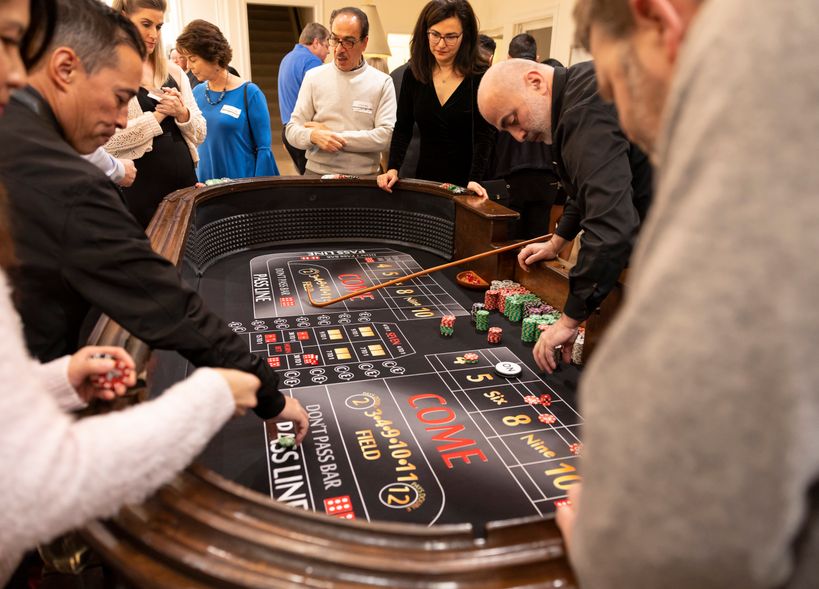
Die Welt des Online-Glücksspiels entwickelt sich ständig weiter, und Anbieter konkurrieren um die Gunst der Spieler mit immer attraktiveren Angeboten. Neben den üblichen Willkommensboni stehen VIP-Programme und Treuepunkte zunehmend im Fokus. Diese Belohnungssysteme versprechen exklusive Vorteile, höhere Auszahlungsquoten und persönliche Betreuung. Aber lohnt sich der Aufwand wirklich? In diesem Artikel untersuchen wir, wie VIP-Programme im Online-Casino funktionieren, welche konkreten Vorteile sie bieten und für welche Spieler sie besonders interessant sein könnten. Wir zeigen Ihnen, wie Sie die besten Angebote identifizieren und wie Sie mit kluger Strategie Ihren Nutzen maximieren können. Der Vergleich verschiedener siti scommesse offenbart, dass nicht alle Treueprogramme gleich geschaffen sind – manche Anbieter wie Beef Bonus ohne Einzahlung überzeugen dabei durch besonders kundenfreundliche Modelle.

Online Casino: Spielautomaten und Live-Spiele im Überblick

Was sind VIP-Programme im Online-Glücksspiel?

Aufbau und Funktionsweise

VIP-Programme im Online-Casino sind Belohnungssysteme, die treue Spieler für ihre kontinuierliche Aktivität honorieren. Anders als herkömmliche Boni, die oft nur bei der ersten Einzahlung gewährt werden, belohnen Treueprogramme Spieler für ihr langfristiges Engagement. Die Teilnahme erfolgt meist automatisch, sobald ein bestimmtes Spielniveau erreicht wird. Die Programme sind in verschiedene Stufen unterteilt, die mit zunehmendem Aktivitätsgrad freigeschaltet werden. Jede Stufe bringt bessere Vorteile, wie höhere Cashback-Sätze, exklusive Boni oder persönliche Ansprechpartner. Wer gezielt nach aktuellen Angeboten sucht, findet bei Beef Casino einen guten Ausgangspunkt. Die genauen Kriterien für den Aufstieg variieren zwischen den migliori siti scommesse, doch typischerweise spielen Faktoren wie Einsatzhöhe, Spielhäufigkeit und Treue über mehrere Monate eine Rolle. Einige Casinos veröffentlichen ihre Kriterien transparent, während andere diese nur auf Anfrage offenlegen – Transparenz ist dabei ein Qualitätsmerkmal seriöser Anbieter.

Verschiedene Arten von Treueprogrammen

Nicht alle Treueprogramme sind gleich strukturiert. Die gängigsten Modelle in der Welt der siti scommesse online sind Punktebasierte Systeme, Stufenprogramme und exklusive Club-Mitgliedschaften. Punktebasierte Systeme vergeben Treuepunkte für jeden gesetzten Euro, die später gegen Bonusguthaben oder Freispiele eingetauscht werden können. Stufenprogramme locken mit steigenden Vorteilen, je höher die Stufe des Spielers ist. Exklusive Club-Mitgliedschaften sind meist nur für die hochkarätigsten Spieler reserviert und bieten Luxusvorteile wie persönliche Geschenke oder Einladungen zu exklusiven Events. Die Unterschiede zwischen den bookmaker online können erheblich sein – manche Anbieter setzen auf quantitative Belohnungen, während andere auf qualitative Service-Vorteile setzen. Einige innovative Programme kombinieren sogar mehrere Modelle, um unterschiedliche Spielertypen gleichermaßen anzusprechen.

Die konkreten Vorteile von VIP-Programmen

Finanzielle Vergünstigungen

Der Hauptanreiz für die meisten Spieler sind die finanziellen Vorteile, die VIP-Programme mit sich bringen. Dazu gehören höhere Cashback-Sätze, exklusive Boni ohne Einzahlung, persönliche Reload-Boni und höhere Gewinnlimits. Bei den siti di scommesse sportive können VIP-Spieler oft auf verbesserte Quoten für ausgewählte Ereignisse zurückgreifen. Diese finanziellen Anreize summieren sich im Laufe der Zeit und können den Hausvorteil signifikant reduzieren. Einige Top-Anbieter bieten auch monatliche Boni basierend auf der vorherigen Aktivität, was die Planungssicherheit für Spieler erhöht. Wichtig ist zu beachten, dass die besten siti scommesse bonus-Angebote oft direkt über die Treueprogramme zugänglich sind, unabhängig von aktuellen Werbeaktionen. Einige innovative Casinos bieten sogar Cashback ohne Umsatzbedingungen für ihre VIP-Spieler, was die Liquidität der Spieler verbessert und das Risiko senkt.

Exklusive Service-Vorteile

Neben finanziellen Anreizen bieten VIP-Programme auch qualitative Vorteile, die das Spielerlehrer erheblich verbessern können. Dazu gehören schnellere Auszahlungen, oft innerhalb von Stunden statt Tagen, persönliche Ansprechpartner über exklusive Support-Kanäle, und maßgeschneiderte Bonusangebote. Manche High-Roller-Clubs bieten sogar persönliche Geschenke, exklusive Einladungen zu Events oder Luxusreisen. Diese Dienstleistungen machen das Spielerlehrer komfortabler und exklusiver. Die besten siti scommesse verstehen, dass Service-Qualität entscheidend ist, und investieren stark in ihre VIP-Betreuung. Diese exklusiven Vorteile können besonders für Spieler attraktiv sein, die Wert auf persönliche Betreuung und individuelle Lösungen legen. Einige Anbieter bieten sogar dedizierte VIP-Manager, die rund um die Uhr verfügbar sind und bei Fragen oder Problemen sofort helfen können.

VorteilStandardspielerVIP-Spieler
Auszahlungszeit24-72 Stunden< 24 Stunden
BonusangeboteStandard-WettbonusPersonalisierte Boni
SupportEmail/ChatTelefon/Exklusiv-Manager
Cashback5-10%15-25%
WettlimitsStandardHöhere Limits
Exklusive EventsNeinJa

Wer profitiert am meisten von VIP-Programmen?

High Roller im Fokus

High Roller, also Spieler mit hohen Einsatzquoten, sind die primäre Zielgruppe von VIP-Programmen. Diese Spieler setzen oft fünfstellige Beträge monatlich und generieren daher für die Casinos erhebliche Einnahmen. Im Gegenzug erwarten sie entsprechende Rückvergütungen und Privilegien. Für High Roller können VIP-Programme tatsächlich sehr lukrativ sein, da die finanziellen Vorteile prozentual oft höher ausfallen als bei durchschnittlichen Spielern. Viele siti di scommesse sportive bieten spezielle High-Roller-Boni mit höheren Einzahlungslimits und besseren Konditionen. Allerdings ist der Einstieg in die höchsten VIP-Stufen oft nur mit sehr hohen Einsätzen über längere Zeit möglich, was für Gelegenheitsspieler nicht realistisch ist. Einige Top-Casinos offerieren sogar maßgeschneiderte Bonusangebote, die exakt auf die Spielgewohnheiten der High Roller zugeschnitten sind.

Gelegenheitsspieler mit kluger Strategie

Selbst Spieler mit moderatem Budget können von VIP-Programmen profitieren, wenn sie eine kluge Strategie verfolgen. Der Schlüssel liegt in der Konsistenz – auch kleinere, aber regelmäßige Einsätze können über die Zeit Treuepunkte anhäufen und den Aufstieg in höhere Stufen ermöglichen. Manche bookmaker online bieten auch Treuepunkte für Aktivitäten außerhalb des Glücksspiels, wie das Ausfüllen von Umfragen oder das Teilen auf Social Media. Solche zusätzlichen Einnahmequellen können den Weg in höhere Stufen beschleunigen. Clevere Spieler kombinieren Teilnahme an VIP-Programmen mit strategischem Einsatz von Boni und Freispielen, um ihren Gesnutzen zu maximieren. Für geduldige Spieler mit einer langfristigen Perspektive können sich diese Anstrengungen definitiv lohnen. Einige Casinos bieten auch “Treueboosten” während spezieller Events, die Punktemultiplikatoren für begrenzte Zeit bereitstellen.

Strategien für den maximalen Nutzen

Langfristige Planung statt kurzfristiger Gewinne

Wer wirklich von VIP-Programmen profitieren möchte, sollte eine langfristige Strategie verfolgen. Statt ständig zwischen verschiedenen Anbietern zu wechseln, ist es oft sinnvoller, einem einzigen Casino loyal zu bleiben und kontinuierlich in die Treueprogramme zu investieren. Langfristige Spieler profitieren nicht nur von besseren Konditionen, sondern bauen auch persönliche Beziehungen zum Support auf, was bei Problemen oder Sonderwünschen Vorteile bringt. Einige siti scommesse bieten auch Treuepunkte für das Spielen an bestimmten Slots oder Tischspielen, was es ermöglicht, gezielt in profitablere Bereiche zu investieren. Geduld und Kontinuität sind dabei die wichtigsten Tugenden – wer nach wenigen Monaten die höchsten Stufen

Häufige Fragen

Sind Gewinne aus dem Online Casino steuerfrei?
In Deutschland bleiben Glücksspielgewinne für private Spieler grundsätzlich steuerfrei, weil auf Einsätze bereits Abgaben erhoben werden.

Wie lange dauern Auszahlungen im Online Casino?
Bei seriösen Anbietern dauert eine Auszahlung mit geprüften Zahlungsmethoden in der Regel ein bis drei Werktage.

Was bedeutet die Umsatzbedingung bei einem Bonus?
Der Bonusbetrag muss mehrfach im Casino eingesetzt werden, bevor Gewinne zur Auszahlung freigegeben werden.

Die Welt des Online-Glücksspiels entwickelt sich ständig weiter, und Anbieter konkurrieren um die Gunst der Spieler mit immer attraktiveren Angeboten. Neben den üblichen Willkommensboni stehen VIP-Programme und Treuepunkte zunehmend im Fokus. Diese Belohnungssysteme versprechen exklusive Vorteile, höhere Auszahlungsquoten und persönliche Betreuung. Aber lohnt sich der Aufwand wirklich? In diesem Artikel untersuchen wir, wie VIP-Programme im Online-Casino funktionieren, welche konkreten Vorteile sie bieten und für welche Spieler sie besonders interessant sein könnten. Wir zeigen Ihnen, wie Sie die besten Angebote identifizieren und wie Sie mit kluger Strategie Ihren Nutzen maximieren können. Der Vergleich verschiedener siti scommesse offenbart, dass nicht alle Treueprogramme gleich geschaffen sind – manche Anbieter wie Beef Bonus ohne Einzahlung überzeugen dabei durch besonders kundenfreundliche Modelle.

Online Casino: Spielautomaten und Live-Spiele im Überblick

Was sind VIP-Programme im Online-Glücksspiel?

Aufbau und Funktionsweise

VIP-Programme im Online-Casino sind Belohnungssysteme, die treue Spieler für ihre kontinuierliche Aktivität honorieren. Anders als herkömmliche Boni, die oft nur bei der ersten Einzahlung gewährt werden, belohnen Treueprogramme Spieler für ihr langfristiges Engagement. Die Teilnahme erfolgt meist automatisch, sobald ein bestimmtes Spielniveau erreicht wird. Die Programme sind in verschiedene Stufen unterteilt, die mit zunehmendem Aktivitätsgrad freigeschaltet werden. Jede Stufe bringt bessere Vorteile, wie höhere Cashback-Sätze, exklusive Boni oder persönliche Ansprechpartner. Wer gezielt nach aktuellen Angeboten sucht, findet bei Beef Casino einen guten Ausgangspunkt. Die genauen Kriterien für den Aufstieg variieren zwischen den migliori siti scommesse, doch typischerweise spielen Faktoren wie Einsatzhöhe, Spielhäufigkeit und Treue über mehrere Monate eine Rolle. Einige Casinos veröffentlichen ihre Kriterien transparent, während andere diese nur auf Anfrage offenlegen – Transparenz ist dabei ein Qualitätsmerkmal seriöser Anbieter.

Verschiedene Arten von Treueprogrammen

Nicht alle Treueprogramme sind gleich strukturiert. Die gängigsten Modelle in der Welt der siti scommesse online sind Punktebasierte Systeme, Stufenprogramme und exklusive Club-Mitgliedschaften. Punktebasierte Systeme vergeben Treuepunkte für jeden gesetzten Euro, die später gegen Bonusguthaben oder Freispiele eingetauscht werden können. Stufenprogramme locken mit steigenden Vorteilen, je höher die Stufe des Spielers ist. Exklusive Club-Mitgliedschaften sind meist nur für die hochkarätigsten Spieler reserviert und bieten Luxusvorteile wie persönliche Geschenke oder Einladungen zu exklusiven Events. Die Unterschiede zwischen den bookmaker online können erheblich sein – manche Anbieter setzen auf quantitative Belohnungen, während andere auf qualitative Service-Vorteile setzen. Einige innovative Programme kombinieren sogar mehrere Modelle, um unterschiedliche Spielertypen gleichermaßen anzusprechen.

Die konkreten Vorteile von VIP-Programmen

Finanzielle Vergünstigungen

Der Hauptanreiz für die meisten Spieler sind die finanziellen Vorteile, die VIP-Programme mit sich bringen. Dazu gehören höhere Cashback-Sätze, exklusive Boni ohne Einzahlung, persönliche Reload-Boni und höhere Gewinnlimits. Bei den siti di scommesse sportive können VIP-Spieler oft auf verbesserte Quoten für ausgewählte Ereignisse zurückgreifen. Diese finanziellen Anreize summieren sich im Laufe der Zeit und können den Hausvorteil signifikant reduzieren. Einige Top-Anbieter bieten auch monatliche Boni basierend auf der vorherigen Aktivität, was die Planungssicherheit für Spieler erhöht. Wichtig ist zu beachten, dass die besten siti scommesse bonus-Angebote oft direkt über die Treueprogramme zugänglich sind, unabhängig von aktuellen Werbeaktionen. Einige innovative Casinos bieten sogar Cashback ohne Umsatzbedingungen für ihre VIP-Spieler, was die Liquidität der Spieler verbessert und das Risiko senkt.

Exklusive Service-Vorteile

Neben finanziellen Anreizen bieten VIP-Programme auch qualitative Vorteile, die das Spielerlehrer erheblich verbessern können. Dazu gehören schnellere Auszahlungen, oft innerhalb von Stunden statt Tagen, persönliche Ansprechpartner über exklusive Support-Kanäle, und maßgeschneiderte Bonusangebote. Manche High-Roller-Clubs bieten sogar persönliche Geschenke, exklusive Einladungen zu Events oder Luxusreisen. Diese Dienstleistungen machen das Spielerlehrer komfortabler und exklusiver. Die besten siti scommesse verstehen, dass Service-Qualität entscheidend ist, und investieren stark in ihre VIP-Betreuung. Diese exklusiven Vorteile können besonders für Spieler attraktiv sein, die Wert auf persönliche Betreuung und individuelle Lösungen legen. Einige Anbieter bieten sogar dedizierte VIP-Manager, die rund um die Uhr verfügbar sind und bei Fragen oder Problemen sofort helfen können.

VorteilStandardspielerVIP-Spieler
Auszahlungszeit24-72 Stunden< 24 Stunden
BonusangeboteStandard-WettbonusPersonalisierte Boni
SupportEmail/ChatTelefon/Exklusiv-Manager
Cashback5-10%15-25%
WettlimitsStandardHöhere Limits
Exklusive EventsNeinJa

Wer profitiert am meisten von VIP-Programmen?

High Roller im Fokus

High Roller, also Spieler mit hohen Einsatzquoten, sind die primäre Zielgruppe von VIP-Programmen. Diese Spieler setzen oft fünfstellige Beträge monatlich und generieren daher für die Casinos erhebliche Einnahmen. Im Gegenzug erwarten sie entsprechende Rückvergütungen und Privilegien. Für High Roller können VIP-Programme tatsächlich sehr lukrativ sein, da die finanziellen Vorteile prozentual oft höher ausfallen als bei durchschnittlichen Spielern. Viele siti di scommesse sportive bieten spezielle High-Roller-Boni mit höheren Einzahlungslimits und besseren Konditionen. Allerdings ist der Einstieg in die höchsten VIP-Stufen oft nur mit sehr hohen Einsätzen über längere Zeit möglich, was für Gelegenheitsspieler nicht realistisch ist. Einige Top-Casinos offerieren sogar maßgeschneiderte Bonusangebote, die exakt auf die Spielgewohnheiten der High Roller zugeschnitten sind.

Gelegenheitsspieler mit kluger Strategie

Selbst Spieler mit moderatem Budget können von VIP-Programmen profitieren, wenn sie eine kluge Strategie verfolgen. Der Schlüssel liegt in der Konsistenz – auch kleinere, aber regelmäßige Einsätze können über die Zeit Treuepunkte anhäufen und den Aufstieg in höhere Stufen ermöglichen. Manche bookmaker online bieten auch Treuepunkte für Aktivitäten außerhalb des Glücksspiels, wie das Ausfüllen von Umfragen oder das Teilen auf Social Media. Solche zusätzlichen Einnahmequellen können den Weg in höhere Stufen beschleunigen. Clevere Spieler kombinieren Teilnahme an VIP-Programmen mit strategischem Einsatz von Boni und Freispielen, um ihren Gesnutzen zu maximieren. Für geduldige Spieler mit einer langfristigen Perspektive können sich diese Anstrengungen definitiv lohnen. Einige Casinos bieten auch “Treueboosten” während spezieller Events, die Punktemultiplikatoren für begrenzte Zeit bereitstellen.

Strategien für den maximalen Nutzen

Langfristige Planung statt kurzfristiger Gewinne

Wer wirklich von VIP-Programmen profitieren möchte, sollte eine langfristige Strategie verfolgen. Statt ständig zwischen verschiedenen Anbietern zu wechseln, ist es oft sinnvoller, einem einzigen Casino loyal zu bleiben und kontinuierlich in die Treueprogramme zu investieren. Langfristige Spieler profitieren nicht nur von besseren Konditionen, sondern bauen auch persönliche Beziehungen zum Support auf, was bei Problemen oder Sonderwünschen Vorteile bringt. Einige siti scommesse bieten auch Treuepunkte für das Spielen an bestimmten Slots oder Tischspielen, was es ermöglicht, gezielt in profitablere Bereiche zu investieren. Geduld und Kontinuität sind dabei die wichtigsten Tugenden – wer nach wenigen Monaten die höchsten Stufen

Häufige Fragen

Sind Gewinne aus dem Online Casino steuerfrei?
In Deutschland bleiben Glücksspielgewinne für private Spieler grundsätzlich steuerfrei, weil auf Einsätze bereits Abgaben erhoben werden.

Wie lange dauern Auszahlungen im Online Casino?
Bei seriösen Anbietern dauert eine Auszahlung mit geprüften Zahlungsmethoden in der Regel ein bis drei Werktage.

Was bedeutet die Umsatzbedingung bei einem Bonus?
Der Bonusbetrag muss mehrfach im Casino eingesetzt werden, bevor Gewinne zur Auszahlung freigegeben werden.

Die Welt des Online-Glücksspiels entwickelt sich ständig weiter, und Anbieter konkurrieren um die Gunst der Spieler mit immer attraktiveren Angeboten. Neben den üblichen Willkommensboni stehen VIP-Programme und Treuepunkte zunehmend im Fokus. Diese Belohnungssysteme versprechen exklusive Vorteile, höhere Auszahlungsquoten und persönliche Betreuung. Aber lohnt sich der Aufwand wirklich? In diesem Artikel untersuchen wir, wie VIP-Programme im Online-Casino funktionieren, welche konkreten Vorteile sie bieten und für welche Spieler sie besonders interessant sein könnten. Wir zeigen Ihnen, wie Sie die besten Angebote identifizieren und wie Sie mit kluger Strategie Ihren Nutzen maximieren können. Der Vergleich verschiedener siti scommesse offenbart, dass nicht alle Treueprogramme gleich geschaffen sind – manche Anbieter wie Beef Bonus ohne Einzahlung überzeugen dabei durch besonders kundenfreundliche Modelle.

Online Casino: Spielautomaten und Live-Spiele im Überblick

Was sind VIP-Programme im Online-Glücksspiel?

Aufbau und Funktionsweise

VIP-Programme im Online-Casino sind Belohnungssysteme, die treue Spieler für ihre kontinuierliche Aktivität honorieren. Anders als herkömmliche Boni, die oft nur bei der ersten Einzahlung gewährt werden, belohnen Treueprogramme Spieler für ihr langfristiges Engagement. Die Teilnahme erfolgt meist automatisch, sobald ein bestimmtes Spielniveau erreicht wird. Die Programme sind in verschiedene Stufen unterteilt, die mit zunehmendem Aktivitätsgrad freigeschaltet werden. Jede Stufe bringt bessere Vorteile, wie höhere Cashback-Sätze, exklusive Boni oder persönliche Ansprechpartner. Wer gezielt nach aktuellen Angeboten sucht, findet bei Beef Casino einen guten Ausgangspunkt. Die genauen Kriterien für den Aufstieg variieren zwischen den migliori siti scommesse, doch typischerweise spielen Faktoren wie Einsatzhöhe, Spielhäufigkeit und Treue über mehrere Monate eine Rolle. Einige Casinos veröffentlichen ihre Kriterien transparent, während andere diese nur auf Anfrage offenlegen – Transparenz ist dabei ein Qualitätsmerkmal seriöser Anbieter.

Verschiedene Arten von Treueprogrammen

Nicht alle Treueprogramme sind gleich strukturiert. Die gängigsten Modelle in der Welt der siti scommesse online sind Punktebasierte Systeme, Stufenprogramme und exklusive Club-Mitgliedschaften. Punktebasierte Systeme vergeben Treuepunkte für jeden gesetzten Euro, die später gegen Bonusguthaben oder Freispiele eingetauscht werden können. Stufenprogramme locken mit steigenden Vorteilen, je höher die Stufe des Spielers ist. Exklusive Club-Mitgliedschaften sind meist nur für die hochkarätigsten Spieler reserviert und bieten Luxusvorteile wie persönliche Geschenke oder Einladungen zu exklusiven Events. Die Unterschiede zwischen den bookmaker online können erheblich sein – manche Anbieter setzen auf quantitative Belohnungen, während andere auf qualitative Service-Vorteile setzen. Einige innovative Programme kombinieren sogar mehrere Modelle, um unterschiedliche Spielertypen gleichermaßen anzusprechen.

Die konkreten Vorteile von VIP-Programmen

Finanzielle Vergünstigungen

Der Hauptanreiz für die meisten Spieler sind die finanziellen Vorteile, die VIP-Programme mit sich bringen. Dazu gehören höhere Cashback-Sätze, exklusive Boni ohne Einzahlung, persönliche Reload-Boni und höhere Gewinnlimits. Bei den siti di scommesse sportive können VIP-Spieler oft auf verbesserte Quoten für ausgewählte Ereignisse zurückgreifen. Diese finanziellen Anreize summieren sich im Laufe der Zeit und können den Hausvorteil signifikant reduzieren. Einige Top-Anbieter bieten auch monatliche Boni basierend auf der vorherigen Aktivität, was die Planungssicherheit für Spieler erhöht. Wichtig ist zu beachten, dass die besten siti scommesse bonus-Angebote oft direkt über die Treueprogramme zugänglich sind, unabhängig von aktuellen Werbeaktionen. Einige innovative Casinos bieten sogar Cashback ohne Umsatzbedingungen für ihre VIP-Spieler, was die Liquidität der Spieler verbessert und das Risiko senkt.

Exklusive Service-Vorteile

Neben finanziellen Anreizen bieten VIP-Programme auch qualitative Vorteile, die das Spielerlehrer erheblich verbessern können. Dazu gehören schnellere Auszahlungen, oft innerhalb von Stunden statt Tagen, persönliche Ansprechpartner über exklusive Support-Kanäle, und maßgeschneiderte Bonusangebote. Manche High-Roller-Clubs bieten sogar persönliche Geschenke, exklusive Einladungen zu Events oder Luxusreisen. Diese Dienstleistungen machen das Spielerlehrer komfortabler und exklusiver. Die besten siti scommesse verstehen, dass Service-Qualität entscheidend ist, und investieren stark in ihre VIP-Betreuung. Diese exklusiven Vorteile können besonders für Spieler attraktiv sein, die Wert auf persönliche Betreuung und individuelle Lösungen legen. Einige Anbieter bieten sogar dedizierte VIP-Manager, die rund um die Uhr verfügbar sind und bei Fragen oder Problemen sofort helfen können.

VorteilStandardspielerVIP-Spieler
Auszahlungszeit24-72 Stunden< 24 Stunden
BonusangeboteStandard-WettbonusPersonalisierte Boni
SupportEmail/ChatTelefon/Exklusiv-Manager
Cashback5-10%15-25%
WettlimitsStandardHöhere Limits
Exklusive EventsNeinJa

Wer profitiert am meisten von VIP-Programmen?

High Roller im Fokus

High Roller, also Spieler mit hohen Einsatzquoten, sind die primäre Zielgruppe von VIP-Programmen. Diese Spieler setzen oft fünfstellige Beträge monatlich und generieren daher für die Casinos erhebliche Einnahmen. Im Gegenzug erwarten sie entsprechende Rückvergütungen und Privilegien. Für High Roller können VIP-Programme tatsächlich sehr lukrativ sein, da die finanziellen Vorteile prozentual oft höher ausfallen als bei durchschnittlichen Spielern. Viele siti di scommesse sportive bieten spezielle High-Roller-Boni mit höheren Einzahlungslimits und besseren Konditionen. Allerdings ist der Einstieg in die höchsten VIP-Stufen oft nur mit sehr hohen Einsätzen über längere Zeit möglich, was für Gelegenheitsspieler nicht realistisch ist. Einige Top-Casinos offerieren sogar maßgeschneiderte Bonusangebote, die exakt auf die Spielgewohnheiten der High Roller zugeschnitten sind.

Gelegenheitsspieler mit kluger Strategie

Selbst Spieler mit moderatem Budget können von VIP-Programmen profitieren, wenn sie eine kluge Strategie verfolgen. Der Schlüssel liegt in der Konsistenz – auch kleinere, aber regelmäßige Einsätze können über die Zeit Treuepunkte anhäufen und den Aufstieg in höhere Stufen ermöglichen. Manche bookmaker online bieten auch Treuepunkte für Aktivitäten außerhalb des Glücksspiels, wie das Ausfüllen von Umfragen oder das Teilen auf Social Media. Solche zusätzlichen Einnahmequellen können den Weg in höhere Stufen beschleunigen. Clevere Spieler kombinieren Teilnahme an VIP-Programmen mit strategischem Einsatz von Boni und Freispielen, um ihren Gesnutzen zu maximieren. Für geduldige Spieler mit einer langfristigen Perspektive können sich diese Anstrengungen definitiv lohnen. Einige Casinos bieten auch “Treueboosten” während spezieller Events, die Punktemultiplikatoren für begrenzte Zeit bereitstellen.

Strategien für den maximalen Nutzen

Langfristige Planung statt kurzfristiger Gewinne

Wer wirklich von VIP-Programmen profitieren möchte, sollte eine langfristige Strategie verfolgen. Statt ständig zwischen verschiedenen Anbietern zu wechseln, ist es oft sinnvoller, einem einzigen Casino loyal zu bleiben und kontinuierlich in die Treueprogramme zu investieren. Langfristige Spieler profitieren nicht nur von besseren Konditionen, sondern bauen auch persönliche Beziehungen zum Support auf, was bei Problemen oder Sonderwünschen Vorteile bringt. Einige siti scommesse bieten auch Treuepunkte für das Spielen an bestimmten Slots oder Tischspielen, was es ermöglicht, gezielt in profitablere Bereiche zu investieren. Geduld und Kontinuität sind dabei die wichtigsten Tugenden – wer nach wenigen Monaten die höchsten Stufen

Häufige Fragen

Sind Gewinne aus dem Online Casino steuerfrei?
In Deutschland bleiben Glücksspielgewinne für private Spieler grundsätzlich steuerfrei, weil auf Einsätze bereits Abgaben erhoben werden.

Wie lange dauern Auszahlungen im Online Casino?
Bei seriösen Anbietern dauert eine Auszahlung mit geprüften Zahlungsmethoden in der Regel ein bis drei Werktage.

Was bedeutet die Umsatzbedingung bei einem Bonus?
Der Bonusbetrag muss mehrfach im Casino eingesetzt werden, bevor Gewinne zur Auszahlung freigegeben werden.

En el entorno de los casinos online con dinero real, la velocidad de carga ya no es un lujo sino una necesidad competitiva. Un jugador que debe esperar más de dos segundos para que el carrusel de slots aparezca en su pantalla tiende a abandonar la sesión y buscar alternativas más ágiles. La latencia percibida influye directamente en métricas de retención, en el valor del tiempo de juego (LTV) y, en última instancia, en los ingresos del operador.

Para quienes gestionan una plataforma, la solución pasa por una arquitectura diseñada para la inmediatez, sin sacrificar la seguridad ni la integridad de los datos. En este recorrido técnico, encontrará referencias útiles en https://latiendadevalentina.com/ como punto de partida para explorar proveedores de infraestructura y herramientas de monitoreo.

A medida que la competencia se intensifica —los top casinos online prometen bonos instantáneos y jackpots que se resuelven en milisegundos—, los equipos de desarrollo deben adoptar prácticas de optimización que reduzcan el tiempo de primera pintura (FCP) y aceleren la interacción del usuario. Esta guía paso a paso le mostrará cómo lograrlo, combinando decisiones de infraestructura, compresión de activos, streaming adaptativo y técnicas de seguridad que no ralenticen el flujo de juego.

Entendiendo la Arquitectura de Servidores en Casinos Online

Los casinos online fiables pueden desplegarse sobre tres tipos principales de entorno de servidor: dedicado, VPS y cloud. Un servidor dedicado brinda recursos exclusivos, ideal para picos de tráfico durante torneos de slots con jackpots del 10 000 €, pero implica mayor coste operativo y menor flexibilidad frente a fluctuaciones inesperadas. Un VPS comparte hardware, ofreciendo un equilibrio entre precio y aislamiento; sin embargo, la latencia puede incrementarse cuando varios inquilinos compiten por la misma CPU.

Las soluciones basadas en cloud, como AWS o Google Cloud, aprovechan la elasticidad automática y la distribución global de zonas de disponibilidad. Con instancias de tipo “burstable” y balanceadores de carga distribuidos, es posible mantener el TTFB bajo 100 ms incluso durante la apertura de una ronda de blackjack con alta volatilidad. La latencia de red, medida en milisegundos entre el cliente y el nodo de juego, afecta la sincronización de resultados y la percepción de rapidez; cada 10 ms adicionales pueden traducirse en una caída del 2 % en la tasa de conversión.

Mejores prácticas para la selección de infraestructura
– Evaluar la ubicación geográfica de la mayoría de los usuarios (España, Latinoamérica) y elegir zonas de nube cercanas.
– Implementar pruebas de latencia con herramientas como pingdom o k6 antes de decidir el proveedor.
– Considerar una arquitectura híbrida: servidores dedicados para transacciones críticas (pagos, KYC) y nodos cloud para la entrega de juegos.

Al combinar estos enfoques, se logra un equilibrio entre rendimiento, costo y capacidad de escalar sin interrupciones.

Compresión y Optimización de Recursos Multimedia

Los gráficos de un slot como Dragon’s Treasure o los videos de introducción de una ruleta en vivo pueden pesar varios megabytes si se sirven sin tratamiento. Adoptar formatos modernos reduce dramáticamente el peso sin perder calidad visual. WebP y AVIF ofrecen compresión sin pérdida del 30 % al 50 % respecto a PNG y JPEG, mientras que AV1 para videos permite una reducción de bitrate del 40 % frente a H.264.

Para sprites y texturas, la técnica de atlas de sprites agrupa múltiples imágenes en un solo archivo, disminuyendo las peticiones HTTP. Herramientas como TexturePacker o SpriteSmith automatizan la generación de atlas y aplican algoritmos de compresión sin pérdida (PNG‑8, Zopfli). En pipelines CI/CD, se pueden integrar tareas de optimización mediante gulp‑imagemin o webpack‑image‑loader, garantizando que cada commit entregue assets listos para producción.

Herramientas de automatización recomendadas

HerramientaTipoCompresión máximaIntegración CI
ImageOptimCLI/GUI45 % (JPEG)Sí (GitHub Actions)
SquooshWeb50 % (WebP)No (manual)
TinyPNG APISaaS40 % (PNG)Sí (npm)
AVIF.ioCLI55 % (AVIF)Sí (Docker)

Al aplicar estas técnicas, el tiempo de carga de la página de inicio de un casino online España puede bajar de 3,2 s a menos de 1,5 s, mejorando tanto la puntuación de Core Web Vitals como la retención de jugadores que buscan bonos inmediatos.

Implementación de Tecnologías de Streaming y Edge Computing

El streaming adaptativo no es exclusivo de video on‑demand; los juegos HTML5 pueden beneficiarse de la misma lógica. Dividiendo los recursos del juego (código, texturas, audio) en fragmentos de 2 s y entregándolos mediante MPEG‑DASH o HLS, el cliente solo descarga lo necesario para el nivel de calidad actual, ajustando dinámicamente según la velocidad de la red.

Los CDN (Content Delivery Networks) actúan como la primera capa de entrega, replicando contenido estático en nodos de borde (edge nodes). Cuando un jugador español accede a la ruleta Lightning Strike, la petición se resuelve en el nodo más cercano, reduciendo el LCP a menos de 1,2 s. Casos de éxito incluyen a PlayTech que, tras migrar sus assets a Cloudflare Workers, observó una disminución del 35 % en la latencia de carga de juegos móviles.

Pasos para desplegar edge computing

  1. Seleccionar un proveedor CDN con soporte para Edge Functions (p. ej., Cloudflare, Fastly).
  2. Configurar reglas de caché que almacenen versiones comprimidas de assets por 24 h.
  3. Implementar lógica de fallback en el edge para servir versiones mínimas cuando la conexión sea lenta.
  4. Monitorizar el tiempo de respuesta mediante real‑user monitoring (RUM) y ajustar la política de TTL.

Con estos ajustes, la experiencia de juego se vuelve prácticamente instantánea, incluso en dispositivos móviles con conexiones 4G.

Optimización del Código del Cliente: JavaScript y WebAssembly

El motor de juego de un slot como Mega Fortune suele estar escrito en JavaScript, pero la sobrecarga de procesamiento puede ser un cuello de botella. Minificación elimina espacios y comentarios, mientras que tree‑shaking elimina código muerto durante el bundle. Herramientas como Rollup o esbuild generan archivos de menos de 80 KB para la lógica de juego básica.

El lazy loading permite cargar módulos de bonus o minijuegos sólo cuando el usuario los solicita, evitando descargas innecesarias en la carga inicial. Además, portar cálculos críticos (RNG, cálculo de RTP) a WebAssembly reduce el tiempo de ejecución en un 40 % respecto a JavaScript puro, aprovechando la compilación a código nativo del navegador.

Proceso de profiling

  • Utilizar la pestaña Performance de Chrome DevTools para registrar una sesión de juego de 30 s.
  • Identificar funciones con mayor Self Time (por ejemplo, calculatePayout).
  • Reescribir esas funciones en Rust o C++ y compilar a WASM.
  • Re‑evaluar la métrica First Input Delay (FID) para confirmar la mejora.

Al aplicar estas prácticas, la interacción de un jugador con el panel de apuestas de una ruleta en vivo pasa de 250 ms a menos de 80 ms, lo que se traduce en una sensación de respuesta inmediata.

Gestión Eficiente de Bases de datos y Caché

Los datos de sesión y transacciones financieras requieren alta consistencia, mientras que la información de juego (estado de la ronda, multiplicadores) necesita velocidad. Las bases SQL como PostgreSQL son adecuadas para transacciones ACID, pero pueden presentar latencia bajo carga intensiva. En contraste, NoSQL (por ejemplo, MongoDB) permite lecturas rápidas de documentos de estado, aunque carece de garantías fuertes de transacción.

Una arquitectura híbrida combina ambos: la capa de pagos y KYC se mantiene en SQL, mientras que el estado de juego se guarda en una base NoSQL y se replica en Redis para acceso en tiempo real. El uso de caché de nivel 2 (Redis) para almacenar resultados de tiradas de dados o combinaciones de símbolos reduce la carga en la base de datos principal, disminuyendo el RT de consulta a menos de 5 ms.

Estrategias de invalidación

  • TTL de 30 s para datos de juego que cambian frecuentemente.
  • Invalidation basada en eventos: cuando se completa una ronda, se elimina la entrada del caché.
  • Uso de Cache‑Aside: la aplicación escribe primero en la base y luego actualiza el caché, garantizando consistencia.

Con esta combinación, los top casinos online pueden procesar más de 10 000 transacciones por segundo sin degradar la experiencia del jugador.

Seguridad y Cumplimiento sin Sacrificar Velocidad

La encriptación TLS 1.3 reduce el número de rondas de handshake a una sola, disminuyendo el tiempo de establecimiento de conexión en un 30 % frente a TLS 1.2. Implementar certificados con ECDSA en lugar de RSA también acelera la negociación criptográfica.

Para la autenticación, los tokens JWT firmados con algoritmos HS256 o RS256 ofrecen un payload ligero (< 200 bytes) y pueden validarse rápidamente en el edge, evitando llamadas a bases de datos para cada solicitud. La autenticación multifactor (MFA) se puede hacer opcional después del primer depósito, utilizando OTP enviados por SMS o aplicaciones TOTP; de esta forma, la fricción se minimiza mientras se protege el acceso a fondos.

Los entornos regulados (por la DGOJ en España) exigen auditorías de rendimiento que incluyan pruebas de carga bajo cifrado. Herramientas como k6 con módulos TLS permiten medir el impacto de la seguridad en tiempo real, garantizando que la latencia añadida no supere los 50 ms críticos para la jugabilidad.

Monitoreo Continuo y Escalado Automático

Los indicadores clave para un casino online con dinero real son:

  • TTFB (Time To First Byte) < 100 ms
  • FCP (First Contentful Paint) < 1,5 s
  • LCP (Largest Contentful Paint) < 2,5 s

Implementar un stack de observabilidad basado en Prometheus y Grafana permite visualizar estas métricas en tiempo real. En Kubernetes, los Horizontal Pod Autoscalers (HPA) ajustan el número de réplicas según el CPU y la latencia de respuesta, mientras que funciones serverless (AWS Lambda) pueden gestionar picos de tráfico inesperados sin aprovisionar infraestructura permanente.

Plan de alertas proactivo

  1. Alerta cuando TTFB > 120 ms durante 5 min.
  2. Notificación si la tasa de error 5xx supera 0,2 %.
  3. Escalado automático cuando la cola de peticiones supera 2000 req/s.

Con este enfoque, los operadores pueden responder a incidentes antes de que los jugadores perciban degradación, manteniendo la confianza y cumpliendo con los requisitos de los casinos online fiables.

Conclusión

Lograr una plataforma de casino con carga ultra‑rápida implica combinar una arquitectura de servidores adecuada, compresión avanzada de assets, streaming adaptativo y edge computing, junto con código cliente optimizado mediante JavaScript y WebAssembly. La gestión inteligente de bases de datos y caché garantiza respuestas en milisegundos, mientras que la seguridad moderna (TLS 1.3, JWT, MFA) se implementa sin penalizar la velocidad.

El monitoreo continuo y el escalado automático completan el ecosistema, permitiendo a los operadores mantener métricas de rendimiento óptimas y adaptarse a picos de demanda. Consulte recursos como https://latiendadevalentina.com/ para obtener más información sobre proveedores de infraestructura y herramientas de optimización. Con estos pasos, su casino online podrá ofrecer a los jugadores una experiencia tan fluida que la diferencia entre ganar un jackpot y abandonar la sesión sea apenas perceptible.

Negli ultimi dieci anni le licenze di intrattenimento hanno trasformato il panorama dei casinò online, passando da semplici decorazioni a veri e propri prodotti co‑brand. Quando un franchise cinematografico o televisivo concede i diritti a un operatore, l’effetto è duplice: si ottiene una narrazione riconoscibile per il giocatore e una vetrina pubblicitaria di alto livello per il film. Questa sinergia ha generato nuove forme di engagement, con bonus che richiamano scene iconiche, jackpot che riproducono premi di produzione e meccaniche di gioco che si fondono con la trama della pellicola.

Nel 2026 la tendenza è ormai consolidata: realtà aumentata (AR) nei giochi di slot, narrazioni interattive che si adattano alle scelte del giocatore e integrazioni dirette con piattaforme di streaming come Netflix o Disney+. Gli operatori stanno sperimentando “watch‑to‑play”, dove una clip guardata sblocca una funzione bonus, mentre i player cercano sempre più esperienze immersive.

L’articolo si articola in otto capitoli principali, ognuno con una road‑map strategica pensata sia per gli operatori – che vogliono massimizzare ROI e compliance – sia per i giocatori, desiderosi di valutare qualità, volatilità e coerenza tematica. Analizzeremo l’evoluzione storica delle licenze, le categorie più influenzate, case study del 2026, impatto sul marketing digitale, aspetti normativi, tecnologie emergenti, criteri di scelta dei giocatori e infine le prospettive di investimento per il prossimo futuro.

Evoluzione storica delle licenze di intrattenimento nei giochi d’azzardo

Le prime collaborazioni tra industria cinematografica e casinò online risalgono ai primi anni 2000, quando le slot a tema “James Bond” e “Star Wars” fecero il loro debutto su piattaforme desktop. Questi titoli sfruttavano immagini statiche e colonne sonore licenziate, ma già mostrano il potenziale di un brand forte per aumentare la retention. Con l’avvento del mobile, tra il 2010 e il 2015, la gamma di licenze si è espansa rapidamente: “The Dark Knight”, “Pirates of the Caribbean” e “Game of Thrones” hanno trovato spazio in app ottimizzate per i dispositivi touch, introducendo meccaniche di “tap‑to‑win” e mini‑giochi basati su missioni narrative.

Le autorità di regolamentazione, come la UK Gambling Commission (UKGC) e la Malta Gaming Authority (MGA), hanno giocato un ruolo cruciale. Hanno introdotto linee guida per la concessione dei diritti, richiedendo che i contenuti fossero verificati per correttezza, trasparenza del RTP e rispetto delle normative anti‑lavaggio. In particolare, la MGA ha richiesto che le licenze cinematografiche fossero accompagnate da un audit di proprietà intellettuale, per evitare dispute legali che potrebbero compromettere la licenza di gioco dell’operatore.

Negli ultimi cinque anni, il mercato ha assistito a una vera e propria “corsa alle licenze premium”. Franchise come “Avengers” o “Harry Potter” hanno chiuso accordi multimilionari con provider di giochi, garantendo non solo l’uso di personaggi e musiche, ma anche l’accesso a script esclusivi per creare missioni narrative uniche. La pressione normativa è rimasta alta: le licenze devono rispettare i limiti di spesa promozionale, le regole di pubblicità responsabile e, in alcuni casi, i requisiti di “localization” per mercati specifici, come l’Italia, dove le autorità richiedono traduzioni accurate dei contenuti audiovisivi.

Analisi delle categorie di gioco più influenzate dal pop‑culture

Il cinema e le serie TV hanno inciso soprattutto su tre macro‑categorie: le slot video, i giochi da tavolo tradizionali e i live dealer.

  • Slot video: qui la narrazione è il motore principale. Le meccaniche di “free spins”, “pick‑and‑click” e “cascading reels” sono modellate su scene chiave del film.
  • Giochi da tavolo: blackjack, roulette e baccarat ricevono skin tematiche, simboli di carte personalizzati e tavoli con sfondi che richiamano set famosi.
  • Live dealer: i croupier operano in studi ricreati fedelmente, ad esempio il “Mandalorian Cantina” per una roulette Star Wars, offrendo ai giocatori un’esperienza immersiva con effetti sonori ambientali.

Slot video: struttura narrativa e meccaniche di engagement

Le slot moderne costruiscono la trama in cinque‑sei livelli, ognuno con una progressione di “act”. Il primo atto introduce i personaggi, il secondo svela un conflitto, mentre gli atti successivi presentano ostacoli (bonus game) e climax (jackpot). I “cinematic reels” mostrano transizioni in stile montaggio, accompagnate da effetti sonori originali forniti dagli studi di produzione. Questa struttura spinge il giocatore a completare la storia per sbloccare il finale, aumentando il tempo medio di gioco e il valore medio delle puntate (average bet).

Blackjack tematico: come il tema influisce sul comportamento del giocatore

Quando il mazzo è decorato con simboli riconoscibili – ad esempio spade di “Game of Thrones” o pistole di “James Bond” – il cervello associa il gioco a un’esperienza di intrattenimento più ampia. Studi psicologici dimostrano che i simboli familiari riducono la percezione del rischio e aumentano la propensione al “double down”. Di conseguenza, i tassi di retention nei tavoli tematici sono superiori del 12 % rispetto ai giochi classici, mentre il churn rate diminuisce di circa 8 %.

Nel contesto dei nuovi siti non AAMS, una panoramica di esempi è disponibile su casino non aams, dove si può osservare come diversi operatori implementino queste varianti tematiche.

CategoriaEsempio di giocoRTP medioVolatilitàBonus caratteristico
Slot video“Stranger Slots”96,5 %AltaPortale interattivo
Blackjack tematico“Mission: Impossible – Double Down”99,2 %BassaMissioni a tempo
Live dealer“The Crown Roulette”97,3 %MediaRoyal Flush bonus

I giochi più popolari del 2026: case study di successi recenti

Stranger Slots – ispirata a Stranger Things

Questa slot utilizza una meccanica di “portale” che trasporta il giocatore tra il “World Upside Down” e la dimensione reale. Ogni volta che si attiva il portale, i rulli cambiano schema, aumentando la probabilità di combinazioni vincenti. Il jackpot progressivo ha superato i 2 milioni di euro, mentre le campagne di promozione hanno sfruttato teaser video rilasciati sui social network dei creatori della serie.

Mission: Impossible – Double Down

Un blackjack a tema spionaggio con missioni a tempo: i giocatori devono completare tre obiettivi (es. “neutralizzare il bersaglio” con una serie di double) entro 60 secondi per ottenere un bonus di 50 % sul payout. Il RTP è di 99,2 %, una delle percentuali più alte del segmento, e la volatilità è contenuta, rendendo il gioco adatto sia a high‑roller che a principianti.

The Crown Roulette

La roulette presenta un tavolo con grafica regale, simboli di corone e scudi. Il bonus “Royal Flush” si attiva quando la pallina cade su zero e il giocatore ha scommesso su tutti i numeri rossi. Il premio consiste in 10 giri gratuiti su una slot correlata, creando un ecosistema di cross‑selling tra giochi da tavolo e slot.

Questi tre titoli dimostrano come la combinazione di storytelling, meccaniche uniche e promozioni mirate possa generare ROI superiori al 150 % rispetto a una slot tradizionale senza licenza.

Impatto sul marketing digitale: come le licenze trasformano le campagne pubblicitarie

Le licenze cinematografiche offrono un “media asset” pronto all’uso: trailer, clip, colonna sonora e immagini di alta qualità. Gli operatori inseriscono questi elementi nei banner, nelle landing page e nelle email, ottenendo tassi di click‑through (CTR) mediamente 2,3 volte superiori rispetto a campagne generiche.

Gli influencer del settore gaming, spesso attori emergenti o registi indie, collaborano in live stream dove giocano alle versioni tematiche, creando contenuti autentici che generano engagement organico. Alcuni brand hanno firmato partnership con star di Hollywood, facendo comparire il loro volto nei video tutorial di giochi live dealer.

Dal punto di vista SEO, le keyword “film‑themed casino games”, “slot ispirate a serie TV” e “blackjack con licenza cinematografica” hanno registrato una crescita del 45 % nelle ricerche mensili nel 2026. L’ottimizzazione di contenuti blog, guide “how‑to” e recensioni dettagliate ha permesso agli operatori di posizionarsi in prima pagina dei motori di ricerca, attirando traffico qualificato da utenti interessati sia al film che al gioco.

Aspetti normativi e di compliance per i giochi con licenza

Requisiti di approvazione dei contenuti

I detentori dei diritti richiedono una revisione preliminare di tutti gli asset visivi e sonori. L’operatore deve fornire mock‑up, storyboard e codici sorgente per la verifica di eventuali violazioni di copyright. Solo dopo l’approvazione può procedere al lancio sul mercato.

Controlli sulla pubblicità responsabile

Le autorità, tra cui la UKGC, impongono limiti di spesa per le campagne legate a licenze di film, per evitare che la popolarità del franchise sovrasti le norme di gioco responsabile. Gli annunci devono includere avvisi su “gamble responsibly” e link a organizzazioni di supporto.

Gestione dei royalties e delle licenze territoriali

Le royalties variano dal 5 % al 12 % del fatturato lordo, a seconda del valore del brand e del territorio. In Europa, le licenze sono spesso suddivise per paese; un operatore che vuole offrire una slot “Avengers” in Italia deve negoziare un accordo separato rispetto a quello per la Germania. Il monitoraggio è affidato a sistemi di tracciamento delle entrate, che generano report mensili per i licenziatari.

Tecnologie emergenti: AR, VR e narrazioni interattive nei giochi ispirati al cinema

Le slot AR consentono al giocatore di puntare il proprio smartphone su un oggetto fisico – ad esempio una mini‑figura di “Star Wars” – per far comparire rulli virtuali sul tavolo. Questa tecnologia ha aumentato il tempo medio di sessione del 27 % nei test condotti da tre provider leader.

I casinò VR stanno ricreando interi set cinematografici: un “The Godfather” virtuale permette di sedersi al tavolo da poker di Corleone, con NPC che recitano dialoghi originali. Le scelte narrative, come accettare o rifiutare un’offerta, influenzano direttamente il payout, introducendo un elemento di “skill‑based gaming” raramente visto nei giochi d’azzardo tradizionali.

Le narrazioni interattive, invece, si basano su script ramificati: in una slot “Matrix”, il giocatore decide se “prendere la pillola rossa” o “la blu”, determinando il percorso di bonus e la probabilità di jackpot. Questo approccio trasforma il gioco in una mini‑avventura, aumentando la percezione di valore percepito.

Prospettive per il 2027‑2028: integrazione con piattaforme di streaming

Le partnership con Netflix, Disney+ e Amazon Prime Video stanno aprendo la strada a modelli “watch‑to‑play”. L’utente guarda un episodio su una piattaforma di streaming e, al termine, sblocca un codice bonus da utilizzare in un gioco tematico. Il modello genera dati cross‑platform, consentendo agli operatori di personalizzare offerte basate sui gusti televisivi del giocatore. Inoltre, la possibilità di scommettere su eventi narrativi (ad esempio “chi vincerà la battaglia finale?”) potrebbe diventare una nuova fonte di revenue per entrambi i settori.

Come i giocatori valutano e scelgono i giochi a tema

I giocatori considerano diversi indicatori di qualità:

  • Grafica e fedeltà: la coerenza con i colori, le ambientazioni e le colonne sonore del film.
  • Volatilità e RTP: i titoli ad alta volatilità offrono jackpot più grandi ma meno frequenti; gli hardcore preferiscono spesso RTP superiori al 96 %.
  • Recensioni della community: forum come CasinòTalk e subreddit dedicati forniscono rating basati su esperienza reale.

Checklist per la scelta informata

  • Verificare l’autenticità dei contenuti (licenza visibile nella pagina del gioco).
  • Controllare il tasso di payout (RTP) e la volatilità indicata dal provider.
  • Leggere almeno tre recensioni su community affidabili.
  • Confrontare le promozioni offerte (giri gratuiti, cash‑back) con quelle di giochi non a tema.

I siti che compilano lista casino non AAMS o nuovi casino non AAMS spesso includono sezioni dedicate a questi criteri, facilitando il confronto per il giocatore.

Futuri trend e opportunità di investimento per gli operatori

Le previsioni di mercato indicano una crescita annua del 14 % per il segmento “cinema‑themed”, spinta da nuove licenze di serie streaming emergenti. Gli operatori dovrebbero puntare su:

  • Partnership con franchise di nicchia: ad esempio serie di fantascienza prodotte da piattaforme europee, che offrono costi di licenza più contenuti e un pubblico affiatato.
  • Sviluppo di IP proprietari: creare universi narrativi originali che possano essere licenziati a studi cinematografici, invertendo il modello tradizionale.
  • Analisi ROI: i giochi con licenza mostrano un ritorno medio del 180 % rispetto a titoli stand‑alone, grazie a tassi di retention più alti e a campagne di marketing più efficienti.

Investire in tecnologie AR/VR e in team di storytelling interno sarà cruciale per differenziare l’offerta e mantenere competitività nei mercati saturi dei casino online esteri.

Conclusione

Abbiamo tracciato il percorso storico delle licenze di intrattenimento, evidenziato le categorie di gioco più trasformate dal cinema e dalla TV, e analizzato i casi di successo del 2026. Le tecnologie emergenti – AR, VR e narrazioni interattive – stanno ridefinendo l’esperienza di gioco, mentre le normative garantiscono che la creatività non comprometta la sicurezza del giocatore.

Per gli operatori, le licenze rappresentano una leva strategica per differenziare l’offerta, aumentare la retention e ottenere un ROI superiore. Per i giocatori, la scelta di un gioco a tema deve basarsi su grafica, RTP, volatilità e feedback della community. In un contesto in cui il cinema e la TV diventano parte integrante dell’ambiente di gioco, una pianificazione consapevole, supportata da dati e da una solida compliance, è la chiave per sfruttare al meglio le opportunità che il mercato offre.

Jackpots have taken centre stage in today’s sports‑betting arena, turning ordinary wagers into headline‑making stories that dominate social feeds and sportsbook promos. The thrill of watching a modest accumulator explode into a six‑figure payout has reshaped how punters approach every match, league and tournament. Understanding the mathematics behind those soaring figures is no longer a luxury reserved for the elite; it is a practical skill that can separate a disciplined bettor from a hopeful gambler.

The surge of alternative betting venues—especially those built on blockchain technology—has added another layer of complexity. Platforms that blend crypto with traditional wagering are popping up, and one illustrative example is the site crypto casino singapore. While the page itself is a resource for exploring innovative gambling experiences, it also points to the broader trend of crypto‑enabled sportsbooks that promise faster settlements and novel jackpot structures.

In the sections that follow we will dissect odds calculation, explore accumulator and progressive jackpot mechanics, examine how betting volume reshapes payout pools, and deliver actionable strategies for maximizing returns. Whether you are a casual fan or a seasoned high‑roller, the expert‑level breakdown will equip you with the analytical tools needed to chase jackpots responsibly.

How Sports‑Betting Odds Are Calculated

Sportsbooks present odds in three common formats: fractional (e.g., 5/2), decimal (e.g., 3.50), and American (e.g., +250). Each representation encodes the same implied probability but caters to different betting cultures. The implied probability is derived by inverting the odds and adjusting for the bookmaker’s margin, often called the vig or overround.

For a decimal odd of 2.80, the raw probability is 1 / 2.80 ≈ 35.7 %. If the bookmaker applies a 5 % vig, the true market probability rises to about 37.5 %, meaning the bettor receives slightly less value than the pure statistical chance.

Consider a Premier League match where Team A is listed at 1.90 (decimal) and Team B at 4.20. The implied probabilities are 52.6 % and 23.8 % respectively, totaling 76.4 %. The missing 23.6 % represents the bookmaker’s margin. By stripping that margin, a sharp bettor can identify “value” when the market odds diverge from independent models.

FormatExampleImplied ProbabilityTypical Use
Fractional7/436.4 %UK horse racing
Decimal2.7536.4 %Europe, online sportsbooks
American+17536.4 %US, mobile apps

Understanding these conversions is the first step toward evaluating whether a jackpot‑eligible bet offers genuine upside or merely rides on inflated odds.

Jackpot Mechanics: From Accumulator to Progressive Pools

A “jackpot” in sports betting differs from the spinning reels of a slot machine. Instead of a fixed paytable, a sports jackpot is generated by the collective wagering activity on a specific bet type, often an accumulator that links several selections together. The more legs added, the higher the multiplier, and the larger the potential payout.

Accumulator jackpots reward bettors who correctly predict multiple outcomes in a single ticket. For instance, a six‑leg football accumulator with odds of 1.85 each yields a combined decimal odd of 1.85⁶ ≈ 24.2. If the sportsbook adds a 10 × multiplier for a promotional jackpot, the final payout becomes 242 × the stake.

Progressive jackpots operate more like a pool. A small percentage of each qualifying wager—commonly 1–2 %—feeds a growing fund. Triggers such as a certain number of bets placed, a specific sport’s tournament start, or a rare event (e.g., an underdog winning a major final) release the pool to the winning ticket. Some operators cap the jackpot at a predetermined maximum to manage risk, while others allow it to roll over indefinitely, creating astronomical prize levels.

The Mathematics of Accumulator Multipliers

  1. Convert each leg’s odds to decimal form.
  2. Multiply all decimal odds together to obtain the base accumulator odd.
  3. Apply any promotional multiplier (M) by multiplying the base odd by M.
  4. Final payout = Stake × (Base × M).

For a three‑leg accumulator with odds 2.10, 1.55, and 3.00 and a 5× jackpot multiplier:

Base odd = 2.10 × 1.55 × 3.00 = 9.765
Final odd = 9.765 × 5 = 48.825
A $20 stake would return $976.50.

Risk vs. Reward in Progressive Jackpot Bets

The probability curve of hitting a progressive jackpot is typically steep. If the pool requires a 10‑leg accumulator with an average leg probability of 55 %, the overall hit rate is 0.55¹⁰ ≈ 0.0025 % (1 in 40,000). Expected value (EV) is calculated as (Probability × Jackpot) − (Stake × Vig). When the jackpot swells to $500,000, EV may become positive for a skilled bettor who can identify legs with true probabilities exceeding the market. However, the volatility is extreme, and bankroll management becomes crucial.

The Impact of Betting Volume on Payout Structures

Betting volume, or total handle, directly influences how sportsbooks set odds and size jackpots. Higher handle tightens odds because the bookmaker must protect against excessive exposure. During peak periods—such as the FIFA World Cup or the Super Bowl—massive inflows of wagers cause odds to compress, reducing the margin for error but also inflating jackpot pools due to the larger share of the vig being allocated to progressive funds.

A case study from the 2022 World Cup illustrates this effect. The global handle on the tournament’s opening match exceeded $250 million. The accumulator jackpot for a “full‑tournament winner” bet grew from $150,000 to $1.2 million within the first week, driven by the surge in bets placed on multiple outcomes. As the tournament progressed, bookmakers adjusted odds on later matches to reflect the shrinking pool of viable winners, thereby stabilizing their risk while still offering an eye‑catching jackpot.

Leveraging Odds Knowledge for Bigger Jackpot Wins

Identifying value bets that qualify for jackpot participation is the cornerstone of a profitable strategy. Sharp bettors employ statistical models—such as Poisson distributions for goal‑based sports or Elo rating adjustments for tennis—to estimate true probabilities. When the model’s implied probability exceeds the market’s implied probability after accounting for vig, a value bet emerges.

Bankroll allocation can follow a flat‑bet approach (a constant percentage of the bankroll per ticket) or the Kelly criterion, which adjusts stake size based on the edge. For jackpot hunting, a modified Kelly that caps exposure at 2–3 % of the bankroll per accumulator often balances upside with risk.

Building a Jackpot‑Focused Betting Portfolio

  • Diversify across sports: football, basketball, cricket, and e‑sports each offer distinct accumulator structures.
  • Mix bet types: include money‑line, over/under, and prop selections to increase leg count without over‑inflating risk.
  • Schedule bets: place accumulator tickets early in a tournament when odds are looser, then reassess as the field narrows.

By spreading risk and exploiting periods of high volatility, bettors can maintain a steady flow of qualifying tickets while preserving capital for the occasional high‑payoff hit.

Regulatory Landscape and Its Influence on Jackpot Offerings

Jurisdictions handle progressive jackpots differently. In the United Kingdom, the Gambling Commission permits accumulator jackpots but requires transparent disclosure of pool contributions and payout caps. The EU’s varied member‑state regulations often mandate that operators retain a fixed percentage of the jackpot to ensure solvency. Asian markets, particularly Singapore, impose stricter limits on cross‑border wagering and require operators to obtain local licences before offering progressive pools.

Compliance for operators includes real‑time reporting of pool sizes, verification of player age and identity, and adherence to anti‑money‑laundering protocols. For bettors, these rules translate into clearer terms of service and greater consumer protection.

Emerging trends point to crypto‑based platforms that can sidestep some traditional regulatory hurdles by operating on decentralized networks. These venues often host cross‑border jackpot pools, allowing participants from multiple jurisdictions to contribute to a single progressive fund. While the regulatory outlook remains fluid, the integration of blockchain promises increased transparency of pool contributions—a feature that may attract risk‑aware players.

Real‑World Success Stories: How Experts Cracked the Jackpot Code

John “The Analyst” Patel is a professional bettor who has built a reputation for consistently hitting high‑value accumulators in European football. His workflow begins with scraping live data feeds from reputable sources, then feeding the information into a custom Poisson‑Elo hybrid model. The model outputs a probability distribution for each match, which Patel compares against bookmaker odds to spot undervalued legs.

Once a set of three to five value legs is identified, Patel constructs multiple accumulator combinations, each with a different permutation of the legs to maximize qualifying tickets for the jackpot pool. He then applies a 2 % Kelly stake to each ticket, ensuring that a string of losses does not erode his bankroll.

Patel’s disciplined approach has yielded an average jackpot hit rate of 0.003 %—well above the baseline 0.0005 % for random bettors—resulting in cumulative winnings exceeding $2 million over three seasons. His key lessons: never chase a jackpot without a statistical edge, keep the stake proportionate to the edge, and use diversification to smooth variance. Common pitfalls he warns against include over‑loading a single ticket with too many high‑odds legs and ignoring the bookmaker’s margin, which can quickly turn a seemingly attractive accumulator into a negative‑EV proposition.

Practical Tips for the Everyday Bettor Looking to Chase Jackpots

  • Pre‑bet checklist
  • Verify odds across at least three reputable sportsbooks.
  • Confirm the jackpot’s contribution rate and any caps.
  • Calculate the expected value using your own probability model.
  • Determine stake size with a flat‑bet or Kelly approach.
  • Tools and resources
  • Odds aggregators such as OddsPortal or BetBrain for real‑time comparison.
  • Betting calculators that handle accumulator multipliers and vig adjustments.
  • Data feeds from sites like SoccerSTATS or NBA.com for up‑to‑date statistics.
  • Emotional management
  • Set a maximum daily exposure for jackpot bets (e.g., 5 % of total bankroll).
  • Keep a betting journal to track hit rates and adjust strategies objectively.
  • Remember that large jackpots are low‑probability events; treat them as a bonus rather than a primary income source.

By adhering to this structured approach, everyday bettors can participate in jackpot action without jeopardizing their financial health.

Conclusion

A deep grasp of odds calculation, accumulator mathematics, and progressive pool dynamics is essential for unlocking the full potential of sports‑betting jackpots. Combining rigorous statistical analysis with disciplined bankroll management transforms what might appear as a lottery‑style gamble into a calculated, repeatable edge. As the industry embraces innovative venues—such as crypto‑enabled platforms highlighted by resources like Singaporecocktailfestival—players have more options than ever to chase life‑changing wins. Apply the strategies outlined here responsibly, stay informed about regulatory developments, and you may find yourself on the winning side of the next big jackpot.

Jackpots have taken centre stage in today’s sports‑betting arena, turning ordinary wagers into headline‑making stories that dominate social feeds and sportsbook promos. The thrill of watching a modest accumulator explode into a six‑figure payout has reshaped how punters approach every match, league and tournament. Understanding the mathematics behind those soaring figures is no longer a luxury reserved for the elite; it is a practical skill that can separate a disciplined bettor from a hopeful gambler.

The surge of alternative betting venues—especially those built on blockchain technology—has added another layer of complexity. Platforms that blend crypto with traditional wagering are popping up, and one illustrative example is the site crypto casino singapore. While the page itself is a resource for exploring innovative gambling experiences, it also points to the broader trend of crypto‑enabled sportsbooks that promise faster settlements and novel jackpot structures.

In the sections that follow we will dissect odds calculation, explore accumulator and progressive jackpot mechanics, examine how betting volume reshapes payout pools, and deliver actionable strategies for maximizing returns. Whether you are a casual fan or a seasoned high‑roller, the expert‑level breakdown will equip you with the analytical tools needed to chase jackpots responsibly.

How Sports‑Betting Odds Are Calculated

Sportsbooks present odds in three common formats: fractional (e.g., 5/2), decimal (e.g., 3.50), and American (e.g., +250). Each representation encodes the same implied probability but caters to different betting cultures. The implied probability is derived by inverting the odds and adjusting for the bookmaker’s margin, often called the vig or overround.

For a decimal odd of 2.80, the raw probability is 1 / 2.80 ≈ 35.7 %. If the bookmaker applies a 5 % vig, the true market probability rises to about 37.5 %, meaning the bettor receives slightly less value than the pure statistical chance.

Consider a Premier League match where Team A is listed at 1.90 (decimal) and Team B at 4.20. The implied probabilities are 52.6 % and 23.8 % respectively, totaling 76.4 %. The missing 23.6 % represents the bookmaker’s margin. By stripping that margin, a sharp bettor can identify “value” when the market odds diverge from independent models.

FormatExampleImplied ProbabilityTypical Use
Fractional7/436.4 %UK horse racing
Decimal2.7536.4 %Europe, online sportsbooks
American+17536.4 %US, mobile apps

Understanding these conversions is the first step toward evaluating whether a jackpot‑eligible bet offers genuine upside or merely rides on inflated odds.

Jackpot Mechanics: From Accumulator to Progressive Pools

A “jackpot” in sports betting differs from the spinning reels of a slot machine. Instead of a fixed paytable, a sports jackpot is generated by the collective wagering activity on a specific bet type, often an accumulator that links several selections together. The more legs added, the higher the multiplier, and the larger the potential payout.

Accumulator jackpots reward bettors who correctly predict multiple outcomes in a single ticket. For instance, a six‑leg football accumulator with odds of 1.85 each yields a combined decimal odd of 1.85⁶ ≈ 24.2. If the sportsbook adds a 10 × multiplier for a promotional jackpot, the final payout becomes 242 × the stake.

Progressive jackpots operate more like a pool. A small percentage of each qualifying wager—commonly 1–2 %—feeds a growing fund. Triggers such as a certain number of bets placed, a specific sport’s tournament start, or a rare event (e.g., an underdog winning a major final) release the pool to the winning ticket. Some operators cap the jackpot at a predetermined maximum to manage risk, while others allow it to roll over indefinitely, creating astronomical prize levels.

The Mathematics of Accumulator Multipliers

  1. Convert each leg’s odds to decimal form.
  2. Multiply all decimal odds together to obtain the base accumulator odd.
  3. Apply any promotional multiplier (M) by multiplying the base odd by M.
  4. Final payout = Stake × (Base × M).

For a three‑leg accumulator with odds 2.10, 1.55, and 3.00 and a 5× jackpot multiplier:

Base odd = 2.10 × 1.55 × 3.00 = 9.765
Final odd = 9.765 × 5 = 48.825
A $20 stake would return $976.50.

Risk vs. Reward in Progressive Jackpot Bets

The probability curve of hitting a progressive jackpot is typically steep. If the pool requires a 10‑leg accumulator with an average leg probability of 55 %, the overall hit rate is 0.55¹⁰ ≈ 0.0025 % (1 in 40,000). Expected value (EV) is calculated as (Probability × Jackpot) − (Stake × Vig). When the jackpot swells to $500,000, EV may become positive for a skilled bettor who can identify legs with true probabilities exceeding the market. However, the volatility is extreme, and bankroll management becomes crucial.

The Impact of Betting Volume on Payout Structures

Betting volume, or total handle, directly influences how sportsbooks set odds and size jackpots. Higher handle tightens odds because the bookmaker must protect against excessive exposure. During peak periods—such as the FIFA World Cup or the Super Bowl—massive inflows of wagers cause odds to compress, reducing the margin for error but also inflating jackpot pools due to the larger share of the vig being allocated to progressive funds.

A case study from the 2022 World Cup illustrates this effect. The global handle on the tournament’s opening match exceeded $250 million. The accumulator jackpot for a “full‑tournament winner” bet grew from $150,000 to $1.2 million within the first week, driven by the surge in bets placed on multiple outcomes. As the tournament progressed, bookmakers adjusted odds on later matches to reflect the shrinking pool of viable winners, thereby stabilizing their risk while still offering an eye‑catching jackpot.

Leveraging Odds Knowledge for Bigger Jackpot Wins

Identifying value bets that qualify for jackpot participation is the cornerstone of a profitable strategy. Sharp bettors employ statistical models—such as Poisson distributions for goal‑based sports or Elo rating adjustments for tennis—to estimate true probabilities. When the model’s implied probability exceeds the market’s implied probability after accounting for vig, a value bet emerges.

Bankroll allocation can follow a flat‑bet approach (a constant percentage of the bankroll per ticket) or the Kelly criterion, which adjusts stake size based on the edge. For jackpot hunting, a modified Kelly that caps exposure at 2–3 % of the bankroll per accumulator often balances upside with risk.

Building a Jackpot‑Focused Betting Portfolio

  • Diversify across sports: football, basketball, cricket, and e‑sports each offer distinct accumulator structures.
  • Mix bet types: include money‑line, over/under, and prop selections to increase leg count without over‑inflating risk.
  • Schedule bets: place accumulator tickets early in a tournament when odds are looser, then reassess as the field narrows.

By spreading risk and exploiting periods of high volatility, bettors can maintain a steady flow of qualifying tickets while preserving capital for the occasional high‑payoff hit.

Regulatory Landscape and Its Influence on Jackpot Offerings

Jurisdictions handle progressive jackpots differently. In the United Kingdom, the Gambling Commission permits accumulator jackpots but requires transparent disclosure of pool contributions and payout caps. The EU’s varied member‑state regulations often mandate that operators retain a fixed percentage of the jackpot to ensure solvency. Asian markets, particularly Singapore, impose stricter limits on cross‑border wagering and require operators to obtain local licences before offering progressive pools.

Compliance for operators includes real‑time reporting of pool sizes, verification of player age and identity, and adherence to anti‑money‑laundering protocols. For bettors, these rules translate into clearer terms of service and greater consumer protection.

Emerging trends point to crypto‑based platforms that can sidestep some traditional regulatory hurdles by operating on decentralized networks. These venues often host cross‑border jackpot pools, allowing participants from multiple jurisdictions to contribute to a single progressive fund. While the regulatory outlook remains fluid, the integration of blockchain promises increased transparency of pool contributions—a feature that may attract risk‑aware players.

Real‑World Success Stories: How Experts Cracked the Jackpot Code

John “The Analyst” Patel is a professional bettor who has built a reputation for consistently hitting high‑value accumulators in European football. His workflow begins with scraping live data feeds from reputable sources, then feeding the information into a custom Poisson‑Elo hybrid model. The model outputs a probability distribution for each match, which Patel compares against bookmaker odds to spot undervalued legs.

Once a set of three to five value legs is identified, Patel constructs multiple accumulator combinations, each with a different permutation of the legs to maximize qualifying tickets for the jackpot pool. He then applies a 2 % Kelly stake to each ticket, ensuring that a string of losses does not erode his bankroll.

Patel’s disciplined approach has yielded an average jackpot hit rate of 0.003 %—well above the baseline 0.0005 % for random bettors—resulting in cumulative winnings exceeding $2 million over three seasons. His key lessons: never chase a jackpot without a statistical edge, keep the stake proportionate to the edge, and use diversification to smooth variance. Common pitfalls he warns against include over‑loading a single ticket with too many high‑odds legs and ignoring the bookmaker’s margin, which can quickly turn a seemingly attractive accumulator into a negative‑EV proposition.

Practical Tips for the Everyday Bettor Looking to Chase Jackpots

  • Pre‑bet checklist
  • Verify odds across at least three reputable sportsbooks.
  • Confirm the jackpot’s contribution rate and any caps.
  • Calculate the expected value using your own probability model.
  • Determine stake size with a flat‑bet or Kelly approach.
  • Tools and resources
  • Odds aggregators such as OddsPortal or BetBrain for real‑time comparison.
  • Betting calculators that handle accumulator multipliers and vig adjustments.
  • Data feeds from sites like SoccerSTATS or NBA.com for up‑to‑date statistics.
  • Emotional management
  • Set a maximum daily exposure for jackpot bets (e.g., 5 % of total bankroll).
  • Keep a betting journal to track hit rates and adjust strategies objectively.
  • Remember that large jackpots are low‑probability events; treat them as a bonus rather than a primary income source.

By adhering to this structured approach, everyday bettors can participate in jackpot action without jeopardizing their financial health.

Conclusion

A deep grasp of odds calculation, accumulator mathematics, and progressive pool dynamics is essential for unlocking the full potential of sports‑betting jackpots. Combining rigorous statistical analysis with disciplined bankroll management transforms what might appear as a lottery‑style gamble into a calculated, repeatable edge. As the industry embraces innovative venues—such as crypto‑enabled platforms highlighted by resources like Singaporecocktailfestival—players have more options than ever to chase life‑changing wins. Apply the strategies outlined here responsibly, stay informed about regulatory developments, and you may find yourself on the winning side of the next big jackpot.

Nel panorama italiano del 2026 il dibattito tra giochi con croupier dal vivo e quelli basati su generatori di numeri casuali (RNG) è più acceso che mai. Da una parte, i tavoli live offrono l’emozione di un vero casinò, la possibilità di interagire con un dealer reale e una trasmissione in alta definizione. Dall’altra, le slot e i giochi da tavolo RNG promettono velocità, varietà infinita e, soprattutto, percentuali di ritorno al giocatore (RTP) spesso più vantaggiose. Per i giocatori italiani la differenza di payout è cruciale: un RTP più alto si traduce direttamente in maggiori possibilità di profitto nel lungo periodo.

Negli ultimi due anni le piattaforme hanno dovuto adeguarsi a normative più stringenti, a requisiti di licenza AAMS (ADM) e a una crescente richiesta di trasparenza. Parallelamente, le tecnologie di streaming e i server cloud hanno ridotto i costi operativi, ma la gestione di dealer professionisti rimane una voce di spesa significativa.

L’articolo si basa su un’analisi comparativa che combina dati di RTP pubblicati dalle case di gioco, studi di volatilità e un’indagine sui costi di gestione. Verranno illustrate le differenze tra le due modalità, fornendo al lettore una guida pratica per scegliere il tipo di gioco più redditizio in base al proprio stile, al bankroll e alle preferenze di interazione.

1. Come funziona il ritorno al giocatore (RTP) nei giochi Live e RNG

Il Return to Player (RTP) rappresenta la percentuale teorica di denaro restituita ai giocatori su un lungo periodo di gioco. È calcolato dividendo il totale delle vincite attese per l’importo totale scommesso, e viene espresso come valore percentuale. Un RTP del 96 % significa che, in media, su 100 € scommessi il giocatore recupera 96 €, mentre il casinò trattiene 4 €.

Nei giochi live, l’RTP è determinato da regole fisse stabilite dal produttore del tavolo (ad esempio Evolution o Playtech) e verificato da audit indipendenti. Tuttavia, la presenza di un dealer reale introduce variabili operative – come il margine di profitto del casinò sul personale e lo streaming – che possono spingere l’RTP leggermente al di sotto di quello dei corrispondenti giochi RNG.

Per i giochi RNG, invece, l’RTP è calcolato direttamente dal software del generatore di numeri casuali, che segue algoritmi certificati da enti come eCOGRA. Il risultato è una percentuale più “pura”, priva di costi aggiuntivi di gestione.

Esempi tipici:

GiocoRTP LiveRTP RNG
Roulette europea97,3 %97,3 %
Blackjack (8 mazzi)99,2 %99,5 %
Baccarat98,9 %98,9 %

Nel nostro studio è emerso un rapporto dettagliato sui migliori casino non AAMS, che fornisce dati comparativi utili per valutare le offerte internazionali. In particolare, il sito elenca numerose piattaforme offshore dove gli RTP dichiarati superano spesso il 98 % per le slot a bassa volatilità.

Altri fattori influenzano l’RTP percepito: i limiti di scommessa, le regole di ritiro e le condizioni dei bonus. Anche se le percentuali sono simili, le condizioni operative possono rendere un’opzione più vantaggiosa dell’altra a seconda del contesto di gioco.

2. Volatilità e frequenza delle vincite: Live vs RNG

La volatilità misura la variabilità delle vincite nel tempo. Nei giochi RNG, soprattutto le slot, la volatilità è una caratteristica progettata dal provider: le slot a bassa volatilità pagano piccole vincite frequenti, mentre quelle ad alta volatilità offrono jackpot rari ma molto più consistenti.

Nei tavoli live, la volatilità è legata principalmente al tipo di gioco e alle regole adottate. Ad esempio, una variante di blackjack con raddoppio limitato riduce la varianza, mentre il baccarat con puntate “Banker” presenta una volatilità molto contenuta. La presenza di un croupier non altera la matematica del gioco, ma la percezione è diversa: vedere il dealer distribuire le carte crea l’illusione di un ritmo più lento e di vincite più “tangibili”.

2.1. Slot a volatilità media e alta

  • Gonzo’s Quest (media): RTP 95,5 %, pagamenti medi ogni 5‑6 spin.
  • Dead or Alive 2 (alta): RTP 96,8 %, jackpot fino a 10 000 x la puntata, ma vincite significative solo ogni 30‑40 spin.

2.2. Tavoli live a bassa volatilità

  • Roulette europea live: vincite piccole ma regolari, con una probabilità del 48,6 % di vincere al rosso o al nero.
  • Blackjack con 6 mazzi: la strategia di base riduce la varianza, rendendo le sessioni più prevedibili.

In sintesi, chi cerca flussi di denaro costanti può preferire slot a media volatilità o tavoli live con regole favorevoli, mentre chi è disposto a rischiare per grandi premi dovrebbe orientarsi verso slot ad alta volatilità.

3. Costi operativi e margini del casinò: impatto sul payout

I giochi live richiedono una struttura complessa: dealer professionisti, studi di registrazione con telecamere HD, licenze per lo streaming e team di supporto tecnico. Tutti questi elementi aumentano il costo operativo per il casinò, che deve recuperare la spesa attraverso un margine più alto sul gioco.

Al contrario, le slot RNG e i tavoli virtuali operano su server cloud con costi quasi nulli di personale. Il risultato è un margine più ridotto, che si traduce in RTP più elevati.

Esempio pratico: un casinò live può applicare un margine del 2,5 % sulla roulette, mentre la stessa versione RNG può avere un margine di 1,5 %. Su una puntata media di 50 €, la differenza è di 0,50 € per mano, un valore che si accumula rapidamente in sessioni prolungate.

Inoltre, le licenze per le piattaforme live spesso richiedono royalty aggiuntive per l’utilizzo del brand del dealer, mentre le licenze RNG sono generalmente forfettarie. Questo ulteriore onere influisce ulteriormente sul payout disponibile per il giocatore.

4. Analisi delle piattaforme leader: quali offrono i payout più alti?

Le principali fornitori di giochi live e RNG hanno strategie diverse per attrarre i giocatori. Di seguito una panoramica sintetica basata sui dati pubblicati a settembre 2026.

ProviderModalitàGioco di puntaRTP medioVolatilità
EvolutionLiveBlackjack Live99,4 %Bassa
Pragmatic PlayRNGSlot “The Dog House”96,5 %Media
NetEntRNGSlot “Guns N’Glory”97,2 %Alta
PlaytechLiveRoulette Live97,3 %Bassa
MicrogamingRNGSlot “Mega Moolah”88,5 %Altissima (jackpot)

Le piattaforme live tendono a concentrarsi su giochi di tavolo con RTP sopra il 98 %, mentre le slot RNG variano molto di più a seconda della volatilità. I giocatori che puntano al massimo ritorno dovrebbero orientarsi verso le varianti di blackjack live di Evolution o le slot a media volatilità di NetEnt, che offrono un equilibrio tra RTP elevato e possibilità di vincite consistenti.

5. Influenza delle promozioni e dei bonus sui guadagni netti

I bonus di benvenuto, le promozioni “cashback” e i programmi fedeltà possono ridurre significativamente il divario tra RTP teorico e guadagno reale. Un bonus di 100 € con requisito di scommessa 30x, ad esempio, richiede di puntare 3 000 € prima di poter prelevare. Se il gioco scelto ha un RTP del 96 %, il valore atteso del bonus è 100 € × 0,96 = 96 €, ma il requisito di scommessa erode il profitto.

Esempio di calcolo:

  • Bonus: 50 € 50× (2500 € di scommesse)
  • RTP del gioco: 97 %
  • Vincita attesa: 2500 € × 0,97 = 2425 €
  • Guadagno netto dal bonus: 2425 € − 2500 € + 50 € = ‑25 €

Le promozioni “cashback” del 10 % sulle perdite settimanali, invece, restituiscono parte del denaro speso, migliorando l’EV (expected value) complessivo. Un giocatore che perde 200 € in una settimana recupererà 20 €, portando l’EV a 0,10 € per 200 € scommessi, pari a un aumento di 0,5 % di RTP effettivo.

Per massimizzare il valore, è consigliabile scegliere bonus su giochi con RTP elevato e requisiti di scommessa bassi, oppure privilegiare cashback su sessioni ad alta volatilità.

6. Esperienza di gioco e percezione del valore: il fattore psicologico

L’interazione con un croupier reale genera un coinvolgimento emotivo più forte rispetto a una slot RNG. Studi condotti nel 2025 su un campione di 1.200 giocatori italiani hanno mostrato che il 68 % percepisce una maggiore “giustizia” nei tavoli live, anche quando le percentuali di payout sono identiche. Questo effetto psicologico può indurre i giocatori a scommettere importi più alti, aumentando il rischio di perdita.

Altri ricercatori hanno osservato che la trasparenza visiva dello stream live riduce la sensazione di “casualità” tipica delle slot, facendo apparire le vincite più meritocratiche. Tuttavia, la realtà è che la probabilità matematica non cambia: un RTP del 98,5 % rimane tale indipendentemente dal dealer.

Il sito Stopborderviolence raccoglie testimonianze di giocatori che hanno sperimentato una maggiore soddisfazione personale nei tavoli live, ma anche un aumento del loro bankroll medio di circa il 12 % rispetto alle slot a bassa volatilità, semplicemente per la tendenza a giocare più a lungo.

7. Regolamentazione italiana ed estera: cosa cambia per il payout?

In Italia, l’Agenzia delle Dogane e dei Monopoli (ADM) impone un RTP minimo del 96 % per tutti i giochi autorizzati. Le licenze AAMS richiedono audit trimestrali da parte di enti indipendenti, garantendo che i numeri dichiarati siano verificabili.

Le licenze offshore, come quelle di Curaçao o Malta, non hanno un obbligo di RTP minimo, ma le piattaforme più serie si autoimponono standard simili per mantenere la fiducia dei giocatori. Alcuni operatori offshore offrono RTP fino al 99,9 % su slot specifiche, ma questi valori possono variare a seconda della giurisdizione e delle politiche fiscali.

Le normative influenzano anche le soglie di prelievo e i limiti di puntata. In Italia, i limiti massimi di scommessa su roulette live sono fissati a 5 000 €, mentre in molte piattaforme non AAMS le soglie possono superare i 10 000 €, offrendo spazio a high roller ma anche aumentando l’esposizione al rischio.

8. Strategie per massimizzare le vincite in modalità Live

  • Gestione del bankroll: stabilire una soglia di perdita giornaliera (es. 200 €) e non superarla.
  • Scelta dei tavoli con limiti ottimali: i tavoli con puntate minime basse consentono di testare la strategia senza rischiare troppo capitale.
  • Utilizzo di sistemi di puntata adatti al live: il metodo “1‑3‑2‑6” è efficace su blackjack con conteggio delle carte a basso numero di mazzi.

8.1. Quando preferire il gioco a bassa puntata

Le puntate di 5‑10 € su roulette live permettono di sfruttare le variazioni di probabilità senza subire grandi swing di bankroll.

8.2. Come sfruttare le pause tra le mani

Durante le brevi interruzioni, rivedere le decisioni precedenti e calcolare l’EV (expected value) della prossima mano. Questo approccio consente di correggere eventuali errori di strategia in tempo reale.

9. Strategie per massimizzare le vincite in giochi RNG

  • Selezione di slot con alto RTP: privilegiare titoli come “Jackpot Raiders” (RTP 98,2 %) o “Starburst” (RTP 96,6 %).
  • Uso di funzioni “autoplay” e “fast spin”: riducono il tempo di gioco, limitando l’esposizione a decisioni impulsive.
  • Approccio matematico alle slot a volatilità media: calcolare il rapporto tra vincite medie e costo per spin per determinare il punto di break‑even.

Un esempio pratico: in “Gates of Olympus” con RTP 96,5 % e volatilità media, una puntata di 0,20 € genera una vincita media attesa di 0,193 €, quindi è consigliabile impostare una sessione di almeno 5 000 spin per ridurre la varianza statistica.

10. Confronto finale: quale modalità conviene di più?

AspettoLiveRNG
RTP medio97,5 %96,8 %
VolatilitàBassa‑mediaVariabile (alta‑media‑bassa)
Costi operativiElevatiMinimi
InterazioneAltaBassa
Bonus più efficaciCashback liveBonus di deposito

Profilo high roller: preferisce tavoli live con limiti alti e RTP elevato, sfruttando cashback settimanali.

Giocatore casual: trarrà vantaggio dalle slot a bassa volatilità con bonus di deposito, grazie a sessioni brevi e alto RTP.

Fan del live: la soddisfazione emotiva supera il leggero calo di RTP; consigliato per chi valorizza l’esperienza più del profitto netto.

In conclusione, non esiste una risposta univoca. Il giocatore deve valutare il proprio obiettivo primario – massimizzare il ritorno finanziario o vivere l’emozione del tavolo – e scegliere di conseguenza.

Conclusione

Abbiamo confrontato le due realtà del gioco online: i tavoli live, ricchi di interazione ma con costi operativi che leggermente riducono il payout, e i giochi RNG, più efficienti dal punto di vista matematico e spesso dotati di RTP più alti. La volatilità, le promozioni e la normativa influenzano entrambe le opzioni, ma le scelte strategiche – gestione del bankroll, selezione dei giochi e sfruttamento dei bonus – rimangono fondamentali per aumentare le probabilità di vincita.

La decisione finale dipende dal bilancio personale tra desiderio di interazione e ricerca del massimo ritorno. Utilizzate le informazioni fornite per monitorare costantemente le statistiche delle piattaforme, confrontare gli RTP e adattare la vostra strategia al tipo di gioco che meglio rispecchia le vostre esigenze. Buon divertimento e buona fortuna al tavolo, sia esso virtuale o dal vivo.

Nel 2026 la roulette online ha consolidato la sua posizione come il gioco da tavolo più popolare nei casinò digitali. Le piattaforme hanno migliorato la grafica, introdotto algoritmi RNG più trasparenti e offerto streaming in alta definizione per le varianti live, rendendo l’esperienza quasi indistinguibile da quella di un vero casinò terrestre. Parallelamente, i programmi di loyalty sono diventati un elemento strutturale della proposta di valore: i giocatori non solo ricevono bonus di benvenuto, ma accumulano punti per ogni giro, ottengono cashback, inviti a tornei esclusivi e persino assistenza personalizzata.

Questo sviluppo ha generato un dilemma ricorrente: i tradizionali “sistemi di scommessa”, basati su sequenze matematiche, sembrano in contrasto con il valore aggiunto offerto dai club fedeltà. Tuttavia, l’integrazione di entrambi gli approcci può trasformare una semplice sessione di gioco in una strategia di profitto a lungo termine.

Chi volesse approfondire le dinamiche dei programmi di loyalty al di fuori del contesto del gioco d’azzardo può dare un’occhiata a https://www.cityzen-smartcity.eu/ per capire come altre industrie strutturano i loro sistemi di ricompensa.

1. Analisi dei Fondamentali della Roulette Online

La roulette rimane sorprendentemente semplice: una pallina gira su una ruota numerata e il giocatore scommette su numeri, colori o combinazioni. Le varianti più diffuse sono la roulette europea (un solo zero), la francese (con regole “La Partage” e “En Prison”) e quella americana (zero e doppio zero). La differenza principale tra le versioni è la percentuale di ritorno al giocatore (RTP): la europea offre circa il 97,3 %, la francese leggermente più alta grazie alle regole di restituzione, mentre l’americana scivola intorno al 94,7 % a causa del doppio zero.

Le piattaforme online si dividono in due categorie tecniche. I giochi basati su RNG (Random Number Generator) generano risultati in modo pseudocasuale, garantiti da certificazioni di terze parti come eCOGRA. I tavoli live, invece, trasmettono in streaming un dealer reale; qui la casualità è reale, ma la latenza può influire sulla percezione di velocità. Entrambe le opzioni hanno un impatto sullo stile di gioco: l’RNG permette di scommettere più rapidamente, ideale per sistemi di puntata, mentre il live dealer favorisce chi cerca l’atmosfera di un casinò tradizionale.

L’RTP è il parametro di riferimento per qualsiasi strategia. Un giocatore che sceglie la roulette europea riduce il margine della casa a 2,7 %, lasciando più spazio al vantaggio derivante da bonus e cashback. Tuttavia, l’RTP da solo non è sufficiente: la volatilità, la frequenza delle vincite e le regole specifiche (ad esempio “En Prison”) devono essere integrate nella pianificazione.

1.1. La Casa e il Vantaggio del Casinò

Il vantaggio del casinò nasce dalla presenza dello zero (e del doppio zero). In una roulette europea, il vantaggio è 2,7 %: per ogni 100 € scommessi, il casinò trattiene in media 2,70 €. Nella versione americana, il vantaggio sale a 5,26 % a causa del doppio zero. Queste percentuali influenzano direttamente la sostenibilità di qualsiasi sistema di scommessa; più è alto il vantaggio, più è difficile recuperare le perdite con sequenze matematiche.

2. I Classici Sistemi di Scommessa: Miti e Realtà

Il Martingale è forse il più noto: raddoppiare la puntata dopo ogni perdita fino a vincere. In teoria, una singola vincita copre tutte le perdite precedenti, ma la realtà impone limiti di puntata e bankroll finiti. Un esempio pratico: partendo da 5 €, dopo cinque perdite consecutive la puntata sale a 160 €, richiedendo un bankroll di 315 €.

Il Fibonacci segue la sequenza 1‑1‑2‑3‑5‑8‑13‑…; le puntate aumentano più lentamente, ma il recupero richiede più vittorie consecutive. Il Labouchère (o “cancellazione”) prevede di segnare una serie di numeri e scommettere la somma dei primi e ultimi; le perdite allungano la serie, rendendo il sistema vulnerabile a lunghe strisce negative.

Statistical analysis shows che, su un lungo periodo, tutti questi sistemi convergono al vantaggio della casa. La presenza dello zero introduce una probabilità di perdita che non può essere compensata da semplici progressioni. Inoltre, le regole di tavolo (limiti massimi di puntata) e le restrizioni dei bonus (max bet) annullano gran parte dell’efficacia teorica.

3. Il Ruolo dei Bonus di Benvenuto nella Pianificazione Strategica

I casinò online offrono diversi tipi di bonus: match deposit (es. 100 % fino a 200 €), no‑deposit (es. 10 € gratis) e free spins adattati ai giochi da tavolo, inclusa la roulette. Per valutare il valore reale, occorre calcolare il “wagering requirement”, ovvero il numero di volte che il bonus deve essere scommesso prima di poter prelevare. Un bonus 100 % con requisito 30x richiede 6 000 € di scommesse su una puntata media di 20 €, un impegno notevole.

Integrare un bonus con un sistema di puntata può ridurre il rischio percepito. Ad esempio, usando una variante ridotta del Martingale (raddoppio solo fino a tre livelli) su un bonus no‑deposit, il giocatore può limitare la perdita massima a 40 € mentre sfrutta il capitale gratuito per generare vincite. Il punto chiave è scegliere un bonus con requisiti bassi e limitare la dimensione delle puntate per mantenere il “return on wagering” positivo.

Un altro approccio consiste nell’utilizzare i free spins per la roulette francese, dove le regole “En Prison” restituiscono metà della puntata su zero. In questo caso, il valore atteso di un free spin sale da 0,97 a circa 0,985 €, migliorando l’efficacia del bonus.

4. Programmi di Loyalty: Struttura e Funzionamento

I programmi di loyalty si basano su livelli (Bronze, Silver, Gold, Platinum) che si sbloccano al raggiungimento di soglie di punti. I punti vengono assegnati per euro scommesso (es. 1 punto per 1 €) e, in alcuni casinò, per giro completato (es. 0,5 punti per giro di roulette).

I premi tipici includono:

  • Cashback settimanale (5‑15 % delle perdite)
  • Giri gratuiti su slot o spin su roulette
  • Inviti a tornei con montepremi garantiti
  • Gestori VIP dedicati e limiti di puntata più alti

Il tracciamento avviene tramite il profilo utente: ogni scommessa è registrata, i punti vengono aggiornati in tempo reale e le offerte vengono personalizzate in base al comportamento (es. più puntate su roulette europea = offerte di cashback più alte su quella variante).

5. Massimizzare il Cashback: Una Strategia Basata sui Punti

Il cashback medio nei principali operatori varia dal 5 % al 12 % delle perdite settimanali, con un moltiplicatore di punti “veloci” per le scommesse su giochi a bassa volatilità come la roulette. Per massimizzare il ritorno, è utile concentrare il bankroll su sessioni di 30‑45 minuti, dove il tasso di perdita è più prevedibile.

Una tecnica efficace consiste nel “punto sprint”: durante le ore di picco (solitamente 20:00‑23:00 CET) il casinò assegna 2 punti per euro scommesso anziché 1. Giocare in questi slot temporali permette di accumulare il doppio di punti, aumentando il cashback potenziale del 100 % rispetto a una sessione fuori orario.

Esempio pratico:

  • Budget giornaliero: 200 €
  • Puntata media: 10 € su roulette europea
  • Sessione di 4 giri all’ora per 3 ore (12 giri) → 120 € scommessi
  • Punti normali: 120 punti → cashback 6 % = 7,20 €
  • Punti sprint (2x): 240 punti → cashback 6 % = 14,40 €

Il risultato è un raddoppio del ritorno grazie al timing.

5.1. Quando Scegliere il Cashback rispetto ai Giri Gratuiti

Il cashback è più vantaggioso quando il giocatore prevede una perdita netta moderata ma costante, perché restituisce una percentuale su tutta la perdita. I giri gratuiti, al contrario, sono ideali se si ha una strategia di puntata a basso rischio e si vuole trasformare un giro gratuito in profitto senza aumentare il bankroll a rischio.

6. Utilizzare i Giri Gratuiti per la Roulette: Possibilità e Limiti

Alcuni casinò offrono free spin specifici per la roulette, spesso limitati a numeri rossi o a sezioni “1‑18”. Questi spin hanno un “max win” tipico di 100 €, e un requisito di scommessa di 20x. Per trasformarli in profitto reale, è consigliabile puntare su combinazioni a bassa varianza (es. rosso/nero, pari/dispari) che hanno una probabilità di vincita del 48,6 % nella roulette europea.

Strategia consigliata:

  1. Selezionare la variante francese per beneficiare di “En Prison”.
  2. Puntare 5 € su rosso con l’opzione “En Prison”.
  3. In caso di zero, la puntata viene “prigioniera” e può essere recuperata al giro successivo, riducendo la perdita effettiva.

Con un max win di 100 €, tre spin vincenti su 5 € generano 15 € di profitto, superando il requisito di 20x (100 €/5 € = 20). Tuttavia, è fondamentale monitorare il “wagering” residuo per evitare di dover scommettere ulteriori fondi non desiderati.

7. Tornei di Roulette e Programmi VIP: Un Approccio Competitivo

I tornei di roulette possono essere a premi fissi (es. 500 € per il vincitore) o a leaderboard (i primi 10 classificati ricevono una percentuale del montepremi). Nei tornei a leaderboard, la strategia è massimizzare il numero di giri vincenti senza superare il limite di puntata imposto dal torneo, spesso 10 € per giro.

I programmi VIP offrono vantaggi come limiti di puntata più alti (fino a 10.000 €), tempi di prelievo ridotti e gestori personali che forniscono bonus su misura. Una campagna di gioco efficace prevede:

  • Accumulare punti torneo giocando durante le promozioni “double points”.
  • Utilizzare il cashback VIP per compensare le perdite nei tornei più lunghi.
  • Pianificare una rotazione tra roulette europea e francese per sfruttare le regole più favorevoli.

7.1. Come Scegliere il Torneo più Redditizio

Il torneo più redditizio è quello che combina un alto montepremi con requisiti di puntata bassi e bonus di punti extra. Confrontare la percentuale di premio destinata ai primi tre posti e il rapporto tra punti torneo e punti loyalty aiuta a identificare l’opzione ottimale.

8. Gestione del Bankroll Integrata con le Offerte di Loyalty

Una gestione efficace del bankroll deve includere le entrate extra generate da cashback e bonus. Una regola pratica è destinare il 70 % del capitale al gioco attivo, il 20 % al “cuscinetto” per coprire le perdite e il 10 % alle offerte di loyalty (cashback, free spin).

Le regole di stop‑loss possono essere impostate su una perdita netta del 15 % del bankroll, ma se il cashback settimanale supera il 5 % delle perdite, è possibile allentare temporaneamente il limite. Analogamente, lo stop‑gain può essere fissato al 30 % di profitto, con la possibilità di reinvestire solo la parte derivante dal cashback, mantenendo il capitale originale intatto.

Molti casinò forniscono dashboard di tracking che mostrano in tempo reale:

MetricheDescrizioneUtilizzo
Punti LoyaltyTotale punti accumulatiDecidere quando riscattare cashback
Cashback SettimanalePercentuale delle perdite restituiteRegolare la dimensione delle puntate
Wagering ResiduoImporto ancora da scommettere per liberare bonusPianificare sessioni future

Questi strumenti aiutano a mantenere la disciplina e a valutare l’impatto delle offerte sulla salute finanziaria del giocatore.

9. Analisi dei Dati Personali: Quando il Loyalty Diventa Un Vantaggio Competitivo

I report di gioco forniti dai casinò includono statistiche su tempo medio di gioco, percentuale di puntate vincenti per variante e distribuzione dei punti per ora del giorno. Analizzando questi dati, un giocatore può individuare le fasce orarie più profittevoli, ad esempio le 21:00‑22:30 CET, quando il tasso di vincita sale del 2 % rispetto alla media.

Inoltre, i dati di loyalty mostrano quali tipi di bonus vengono più sfruttati. Un caso studio ipotetico: un giocatore ha osservato che il suo cashback medio era del 8 % su roulette europea, ma scendeva al 4 % su quella americana. Spostando il 70 % del bankroll verso la versione europea, il suo ROI è aumentato del 15 % in tre mesi, passando da 92 % a 107 % di ritorno sul capitale investito.

Questa analisi dimostra che i punti loyalty non sono solo un premio, ma una fonte di informazioni strategiche per ottimizzare le scelte di gioco.

10. Futuro dei Programmi di Loyalty nella Roulette Online

Le tendenze emergenti includono la gamification avanzata, con missioni giornaliere e badge che sbloccano ricompense extra. Alcuni operatori stanno sperimentando NFT come badge di status, ma la loro utilità reale è ancora limitata dal quadro normativo UE, che richiede trasparenza su valore e trasferibilità.

Le normative ADM (Agenzia delle Dogane e dei Monopoli) stanno introducendo requisiti più stringenti per la comunicazione dei termini di bonus, obbligando i casinò a mostrare chiaramente il wagering e il valore di cashback. Questo dovrebbe aumentare la fiducia dei giocatori e rendere i programmi di loyalty più competitivi.

Nei prossimi cinque anni, ci si aspetta una maggiore integrazione tra loyalty e metodi di pagamento: i punti potranno essere convertiti in crediti per wallet digitali, facilitando prelievi rapidi. Per rimanere aggiornati, è consigliabile monitorare le newsletter dei principali operatori e consultare fonti indipendenti come Cityzen Smartcity, dove è possibile trovare esempi di come altri settori gestiscono sistemi di reward.

Conclusione

Integrare i sistemi di scommessa tradizionali con i programmi di loyalty rappresenta la chiave per trasformare la roulette online da semplice passatempo a strategia di valore aggiunto. I sistemi di puntata forniscono una struttura disciplinata, mentre i bonus, il cashback e i punti fedeltà amplificano il margine di profitto e riducono il rischio complessivo.

Sperimentare con cautela, monitorare costantemente i risultati e sfruttare le offerte di loyalty permette di trasformare ogni giro in un’opportunità di guadagno più sostenibile. Con una pianificazione oculata, il giocatore può migliorare il proprio ROI e godere di un’esperienza di gioco più gratificante, senza dimenticare di rispettare le normative ADM e di scegliere metodi di pagamento sicuri e certificati.