

The Rick Owens Aesthetic Explained: Decoding the Dark Avant-Garde Look
To make sense of the Rick Owens aesthetic is to make sense of an entire worldview translated into cloth, and that is far less common in fashion than it sounds. The majority of labels chase trends; this one has spent more than two decades refining a single, uncompromising vision of beauty pulled from decay, the monastic, and brutalist architecture. The American-born designer, working out of Paris since the mid-2000s, built a vocabulary that critics eventually named “glunge,” a blend of glamour and grunge that defies easy imitation. This essay examines what the look is really made of, why it matters so much culturally in 2026, and how each element strengthens the rest. We will move from palette to silhouette to philosophy, approaching each not as a styling tip but as an intentional aesthetic statement. The aim is comprehension rather than instruction, because the look only makes sense once you grasp the ideas underneath it. By the end, the severity that puzzles newcomers should read as intention.
The Thinking Behind the Garments
At heart, the Rick Owens aesthetic is a study of impermanence, the body, and a brand of romantic darkness that rejects cheap optimism. The designer has frequently discussed beauty in decay, about clothes that appear weathered, eroded, and lived-in instead of pristine. This explains why a coat can look draped almost to collapse or why a hem stays raw, as if time had been stitched right into the seam. The work pulls from varied references, from Bauhaus rigor to ancient drapery to the glam excess of the 1970s, fused into something singular. Notably, these clothes are never costume; they are made to be worn every day by people who absorb their mood. Understanding this philosophy is the key that unlocks every visual choice the brand makes, from color to cut to the way a sleeve falls.
The Look, Component by Component
The visible aesthetic, built atop that philosophy, depends on a handful of recurring elements that appear season after rick owens sale season. The palette is the first and most legible: black, dust, pearl, and milk dominate, with rare incursions of blood-red or oyster that feel almost violent against the neutral tones. Silhouette comes next, marked by elongation, asymmetry, and a draped volume that obscures rather than reveals the body’s outline. Tailoring here is brutalist, meaning structured and severe, but softened by fabrics that puddle and fold like liquid. The footwear, from Geobasket to Ramones to DRKSHDW high-top, grounds the look with sculptural, frequently towering forms. These pieces are not swappable accessories; each one carries the same DNA, so an outfit reads as unmistakably Rick Owens even at a distance.
Color as a Controlled Language
The restricted palette is perhaps the most disciplined aspect of the entire aesthetic, and it functions almost like a grammar. By confining himself to a few muted tones, the designer guarantees that each piece harmonizes with the rest, letting wearers assemble a wardrobe that layers endlessly. Black grounds the system, while dust contributes warmth, pearl brings softness, and milk raises the whole into something luminous. These labels are not marketing flourishes; they denote genuinely different shades that photograph and wear differently under daylight. The rare flash of red works as punctuation, a deliberate shock that proves the restraint elsewhere is a choice rather than a limitation. This chromatic discipline is also deeply practical, since it makes the clothes endlessly mixable and resistant to seasonal obsolescence. Writers at vogue.com have long pointed out how the palette grants the work an almost architectural, timeless permanence.
How DRKSHDW Carries the Vision Forward
No account of the aesthetic is complete without DRKSHDW, the diffusion line that translates the mainline philosophy into more accessible everyday garments. While the runway pieces push extremes of drape and construction, DRKSHDW condenses the same mood into hoodies, jersey, waxed denim, and elongated tees. The pricing comes down sharply, with DRKSHDW items frequently sitting between 300 and 600 USD compared with mainline prices that can run past 4,000 USD for outerwear. Still, the visual language stays intact: the same dark palette, the same dropped silhouettes, the same brutalist edge. That is what makes the line culturally significant, because it democratized the look without diluting it. For many wearers, a DRKSHDW hoodie is the entry point into the entire world, the first garment to teach them how the proportions and tones are supposed to feel.
The Look’s Cultural Standing in 2026
By 2026 the Rick Owens look has moved from a niche cult into a defining reference point for a whole generation of designers and dressers. Its influence shows up everywhere, from the explosion of dark, draped streetwear to the mainstream embrace of monochrome dressing. What once felt forbiddingly avant-garde now travels widely, though the original holds an authority that imitations cannot reach. Such durability stands out in an industry built around planned obsolescence, reflecting the strength of a vision that never ran after the calendar. The resale market reflects this, with archival items gaining value instead of losing it, something almost unheard of outside the very top of luxury. Outlets like highsnobiety.com routinely frame the brand as a gauge of where avant-garde fashion is going. The look endures because it was never about the moment in the first place.
A Quick Comparison of the Elements
To pull the analysis together, it is useful to set the core elements side by side with their intended effect and a representative price range. The chart below ties each pillar of the aesthetic to the concept it expresses and its typical cost of ownership in 2026. Think of it less as a shopping list and more as a map of how the parts form a whole. Read it and you can see the look is systematic, not arbitrary, every part advancing the same core argument about beauty and decay. The pricing column likewise shows how the brand tiers access, ranging from the relatively reachable to the rarefied. Considered as a whole, these elements show why the aesthetic is at once severe and seductive.
| Element | Signature Form | Aesthetic Idea | Typical Price (USD) |
|---|---|---|---|
| Palette | Black, dust, pearl, and milk | Decay and restraint | Variable |
| Hoodie | Elongated DRKSHDW pullover | Monastic everyday | 300-600 |
| Outerwear | Draped leather jacket | Brutalist structure | 2,500-4,500 |
| Footwear | The Geobasket sneaker | Sculptural, severe form | 1,100-1,500 |
The Body as the Canvas
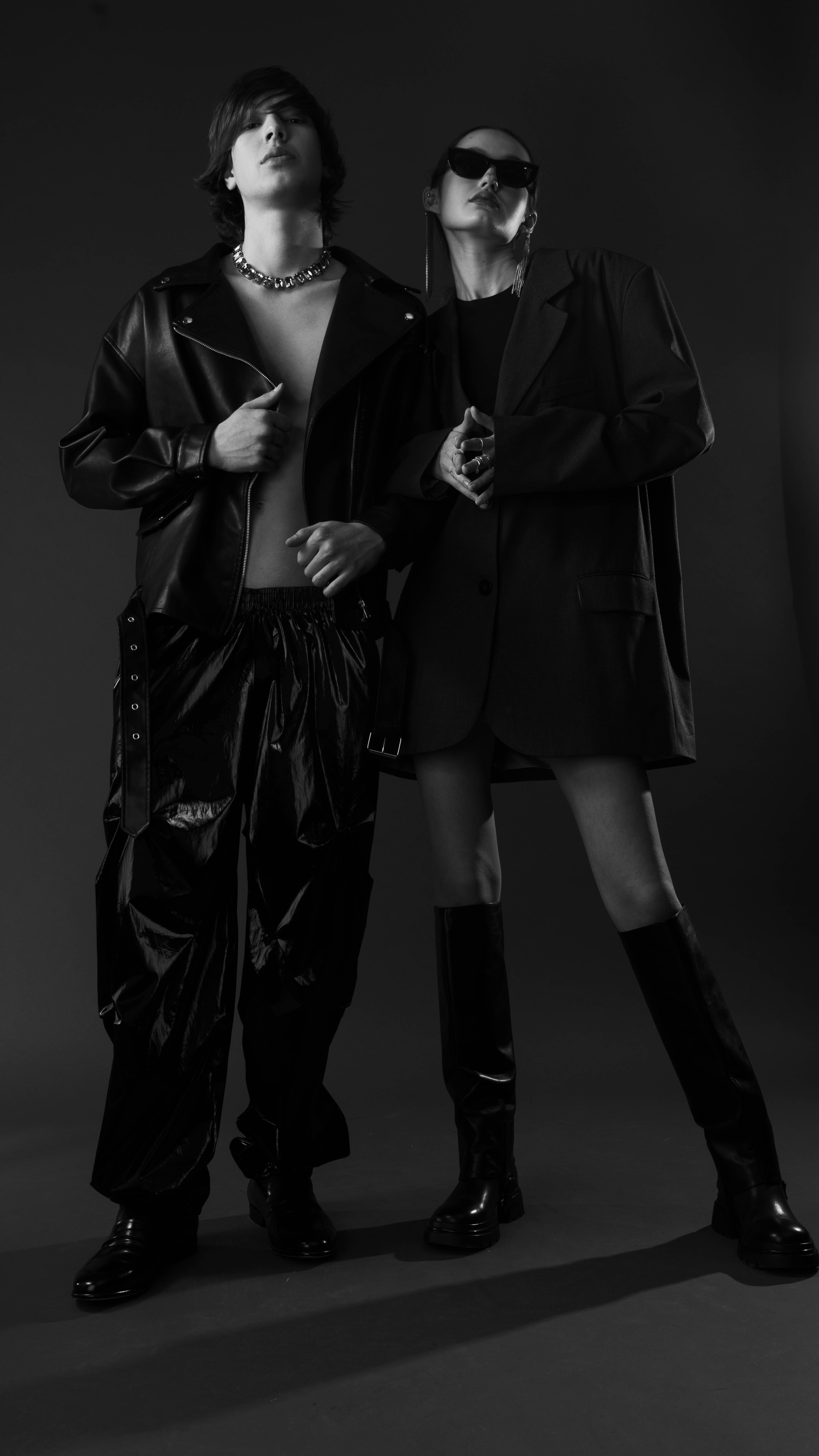
Something newcomers frequently miss is just how central the body is to the entire Rick Owens aesthetic. The draped silhouettes are not designed to flatter in a conventional sense; they reshape the figure into something sculptural, abstract, and ambiguous. Volume gathers and falls in ways that obscure the waist, stretch the limbs, and transform the wearer into a moving architectural form. This handling of the body ties directly to the philosophy of decay and transformation that underpins the work. These pieces invite a new posture and a new way of moving, which is why devotees say the pieces change how they carry themselves. Far from incidental, this relationship between garment and body is one of the deepest layers of the look. Grasping it explains why the silhouettes feel so deliberate even when they appear, at first glance, simply oversized.
Why the Look Resists Imitation
Plenty of brands have tried to borrow the Rick Owens aesthetic, yet the copies almost always ring hollow, and the reason is telling. The look cannot be assembled from a checklist of black garments and dropped shoulders, because its strength lies in coherence, not in single features. Remove the philosophy of decay and the disciplined palette, and you are left with mere darkness, which is a mood, not a vision. Genuine pieces also offer a construction and fabric quality that cheaper tributes cannot rival, from the dense cotton of a hoodie to the supple weight of a leather jacket. Finally, there is an authorial consistency born of two decades of refinement that no quick copy can fake. This is why the rick owens fashion universe remains singular even as its influence spreads, and why understanding the aesthetic matters more than simply buying into it.