

The Row on the Resale Market: Which Silhouettes Hold Value
Resale is the only stage where a studiously quiet label is scored out loud. There are no exterior logos, no monogram canvas and no campaign explaining the price on a bag from The Row, yet the resale market posts a public number on them, week after week. Since 2025 that market has been signalling something distinctly odd: a brand with almost no logo recognition now ranks close to the top of the value-retention tables. What follows works through which models drive that result, which ones fall short, and how to read the numbers without reading them as a promise. All of it is observed market behaviour, based on figures reported by the platforms themselves. None of it is investment advice, and none of it says anything about what happens next.
One further piece of framing before the data. The Row keeps no published master price list, which means every dollar figure below is an observed 2026 market price or a reported resale range rather than an official quote. Retail changes, resale shifts faster, and the two can diverge sharply within a single season. A bag trading above retail one quarter can trade below it the next. Resale prices do fall, and can do so at any point. The percentages are a snapshot of a moving market, not a fixed property of the bag.
The number that changed the conversation
The figure quoted most often comes from Rebag’s CLAIR report for 2025, which recorded brand-level value retention for The Row at the row margaux bag 97%. The number carried the brand into the report’s unicorn tier, a band made up of brands holding 85% or more of retail on the secondary market. The Row had never crossed that line before, and the result put the brand behind only Telfar, Hermes and Goyard in the ranking. That is a counterintuitive outcome for a house whose bags carry no visible branding whatsoever. What it points to is second-hand buyers pricing construction, silhouette and scarcity instead of a recognisable badge. There is a practical reality behind it as well: production is modest and distribution short, which keeps used stock scarce relative to demand.
Model by model: where the retention sits
A brand average hides as much as it reveals; the model-level numbers in the same report are the ones worth reading. The N/S Park Tote topped the group at 146% retention, which is to say typical resale prices sat above original retail rather than under it. Behind it came the Margaux Tote at 107%, with the Half Moon shoulder bag at 106%. Those are the three silhouettes the brand’s reputation rests on, and the three searched for by name most often. Look at how tight the gap is between the second and third entries and how far ahead the tote sits. That gap is the story: a soft, unstructured the row tote bag priced mid-range at retail has become the label’s most reliable resale performer, ahead of bags costing two or three times as much new.
| Style | Reported retention, 2025 | What it means |
|---|---|---|
| N/S Park Tote | 146% | The strongest single performer, where a low retail entry point meets very broad demand |
| Margaux Tote | 107% | The flagship shape, with thin new supply holding the price up |
| Half Moon shoulder | 106% | An entry-level retail price, leaving room above it on resale |
| The Row, brand level | 97% | First time above the 85%-plus unicorn tier line |
Where that sits against the wider market
Some context helps, as 97% sounds like a maximum until you see the actual ceiling. The same set of data puts the Hermes Kelly Mini II at 282% retention, the Birkin Sellier at 183% and the Constance at 137%. Goyard landed at 123% and Miu Miu at 104%. The Row is therefore not the market’s ceiling; it is simply unusually high for a brand of its age and scale, and it is climbing rather than settling. Those Hermes figures rest on decades of waiting lists and controlled allocation, a mechanism The Row does not run. What the comparison really shows is that scarcity produces similar price behaviour whether it is engineered by a century-old house or simply falls out of a small, tightly distributed line.
Where value holds, and where it does not
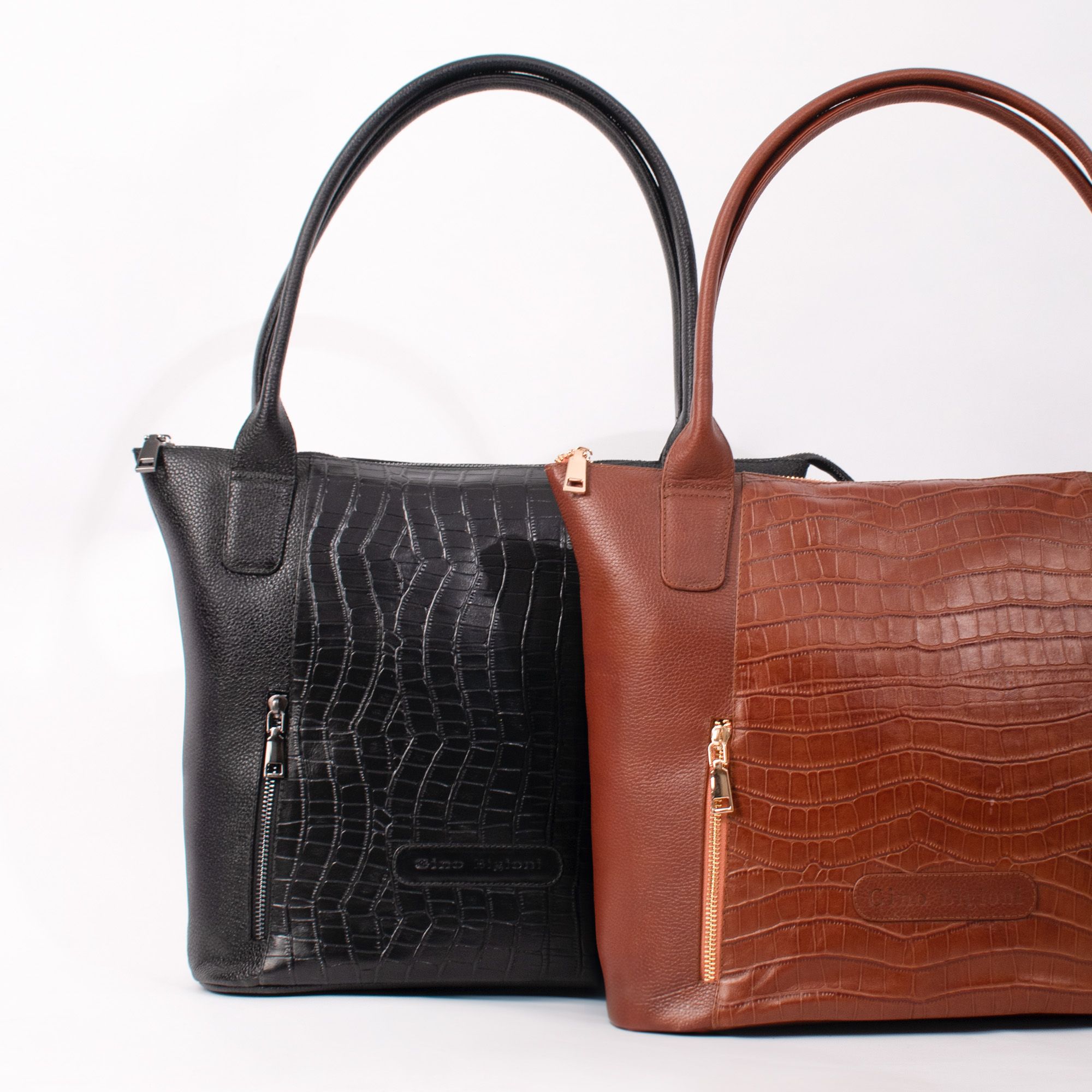
This is the part that disappears once headline percentages start circulating on their own. Plenty from the brand does not appreciate at all, and the pattern in what does is consistent enough to state plainly. Where the strength lives is black and neutral calfskin in the signature silhouettes, the bags a buyer would still want three seasons later in exactly the colour they chose. Material and colour do more work here than the model name does. What discounts is the narrower-appeal end of the line, where canvas, nylon, sisal and seasonal colours all trade below retail with some regularity. The same shape in black can clear in days at a price where a bright seasonal calfskin or a summer raffia sits unsold.
- Best retention: black and neutral grained or smooth calfskin in the Margaux, N/S Park Tote, Half Moon and 90’s Bag families.
- Mixed: suede, which carries a real premium new but is fragile and much harder to move in worn condition.
- Discounts regularly: canvas, nylon and sisal or raffia constructions, along with any strong seasonal colour.
- Unpredictable: archive-only models such as Sofia, Devon, Camden and the original Bindle, where thin trading volume makes any single sale a weak signal.
The softer figures, and how much weight to give them
Alongside the CLAIR data, a second layer of numbers circulates in coverage of The Row bags, and it deserves rather more caution. The Margaux has been reported to sell frequently at around 40% above retail, and one authenticator said its Margaux resale volume rose roughly 44% year over year. One further marketplace put average pre-owned Margaux sales at about 15% above original retail. Reporting from early 2026 put the Margaux 15 trading somewhere in the region of $4,350 to $6,000 and above, an observed market price and not an official one. Separately, the 90’s Bag has been called the riser, with search volume on one large marketplace reported up around 55% year over year as of April 2025. All of these are directional signals from individual platforms rather than audited market-wide statistics, and one soft quarter can flatten any of them.
Part of the Margaux’s behaviour comes down to supply. Reports during 2025 widely described the bag as pulled from third-party retailers, a change the brand has never officially confirmed, and the official line-up now lists the Soft Margaux and the Margaux Shoulder rather than the original. It has not been announced as discontinued. In resale terms the relevant point is that fewer new units come to the open market through stockists, so second-hand supply tightens for a bag already in demand. That describes supply; it does not prove a permanent premium. If distribution opens up again, that gap between retail and resale closes with it.
How to read the market as a buyer
If you are shopping rather than tracking indices, these numbers should change what you compare against what. The Row bag bought at retail in a core colour usually holds its ground, leaving the real cost of ownership below what the sticker suggests. A bag bought on resale at a premium has already had that upside priced in, so you are paying for immediacy rather than for value. What matters practically is whether the listing in front of you is priced against today’s market or against a headline from a year ago. Condition, colour and completeness move a listing’s price far more than any model average does. A search for The Row for sale on any given afternoon turns up disciplined pricing and wishful pricing side by side.
- Work out the material before anything else, because calfskin and suede behave differently on resale even in the same shape.
- Compare several recent completed sales of the same model, size and colour rather than asking prices.
- Account for platform fees, authentication charges and shipping, each of which eats into any apparent gap.
- Reduce your number sharply for corner wear, handle darkening, interior marks and a missing dust bag.
- Treat anything in the low hundreds as almost certainly counterfeit, however good the listing photographs look.
What these figures are not
None of it is investment advice, and retention percentages must never be read as a return. Handbags scuff, stretch, stain and go out of fashion like any consumer good, and their resale value hangs on the mood of a market nobody controls. Resale prices can fall, sometimes quickly, and a percentage published for 2025 describes what already happened rather than what happens next. Whatever spread exists between what you paid and what the next buyer pays is reduced by fees and authentication costs. A bag worn regularly loses condition, and condition is the single largest discount factor on every platform that trades these bags. The fair conclusion is that The Row handbags have held their value unusually well recently, a pleasant fact about a purchase rather than a reason to make one.