
Solar Energy

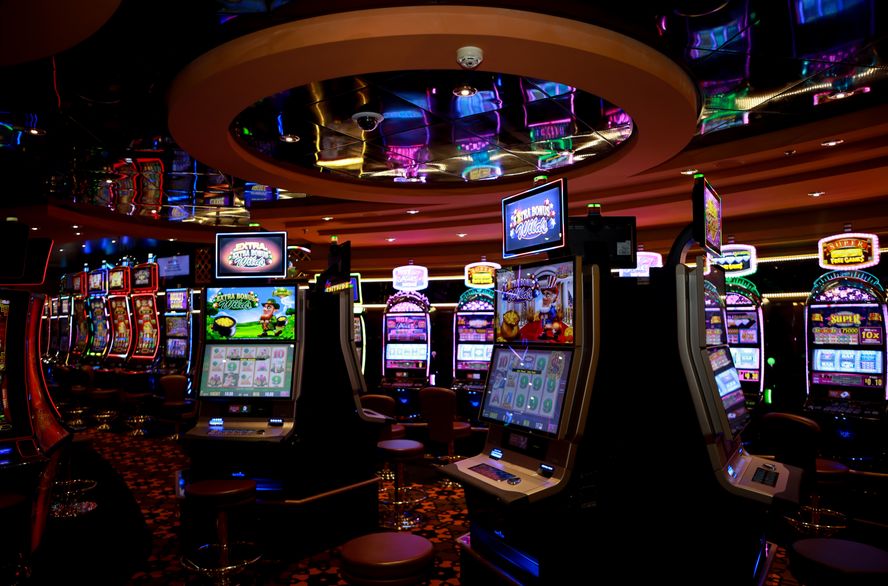
The story of slot machines reads like a timeline of gambling technology. Early “one‑armed bandits” were mechanical marvels that relied on a single reel of symbols, a lever, and a clatter of coins. Today’s video‑rich slots run on sophisticated servers, delivering cinematic graphics, interactive storylines, and bonus rounds that can last several minutes. This evolution is not just about flashy visuals; it reshapes how players think, feel, and decide to wager.

Understanding the psychological impact of a game’s design is crucial for operators who want to keep players engaged, manage bankrolls responsibly, and build long‑term loyalty. A well‑crafted slot can trigger dopamine spikes, reinforce risk‑taking, or create a comforting sense of familiarity that keeps a player returning night after night. For instance, the surge of interest in online gambling across Southeast Asia has turned markets like Malaysia into hotbeds for both classic‑style reels and cutting‑edge video slots. If you are curious about the broader landscape, the site online casino malaysia offers a useful gateway to regional trends and operator listings.

When we compare classic slots to their modern counterparts, two metaphors emerge: classic games act as “comfort food” for the mind, while modern slots serve up an “adrenaline‑fuel” experience. This article unpacks the psychological levers behind each style, offering insight into why players gravitate toward one or the other and how operators can balance their portfolios.

1. The Core Psychological Triggers Behind Slot Play

Slot machines are built on three core reinforcement mechanisms. First, the reward‑prediction error—players anticipate a win, and the gap between expectation and outcome releases dopamine. Second, variable‑ratio reinforcement means wins occur after an unpredictable number of spins, keeping the brain in a state of constant alertness. Third, the near‑miss effect—seeing two matching symbols on a payline with the third just out of reach—creates the illusion of an almost‑win, prompting another spin.

Visual cues such as flashing lights, expanding wilds, and rapid reel animations amplify these neurochemical responses. Auditory signals—clinking coins, triumphant fanfares, or a subtle “ding” for a small payout—add another layer of reinforcement. In classic three‑reel slots, the triggers are relatively modest: a single win line, a simple jackpot chime, and occasional free spins. Modern video slots layer these triggers across multiple bonus games, progressive multipliers, and cinematic cut‑scenes, intensifying the dopamine surge each time a player advances.

FeatureClassic SlotsModern Slots
Primary triggerSingle win lineMulti‑level bonus rounds
Visual intensityMinimal animation3D graphics, particle effects
Audio complexitySimple jinglesDynamic soundtracks, voice‑overs
Reinforcement frequencyLow‑to‑moderateHigh, with frequent mini‑wins

The cumulative effect is that modern slots generate a more powerful, rapid feedback loop, while classic slots rely on a steadier, less intrusive rhythm.

2. Nostalgia vs. Novelty: What Drives Player Choice?

Nostalgia is a potent driver for classic slot fans. Symbols like cherries, BARs, and lucky sevens echo the golden age of gambling halls, and the familiar “ding‑ding‑ding” of a win line evokes memories of brick‑and‑mortar casinos. This emotional connection reduces perceived risk; players feel they are revisiting a trusted environment, which can translate into longer sessions and steadier betting patterns.

Conversely, novelty seekers chase the thrill of discovery. Modern slots such as Gonzo’s Quest or Starburst weave story arcs, character development, and interactive mini‑games into the core gameplay. The promise of unlocking a hidden level or triggering a cinematic bonus round satisfies the brain’s appetite for new stimuli. These players often gravitate toward titles that promise high volatility and large, life‑changing payouts, even if the odds of hitting those jackpots are slim.

Both motivations coexist in the same player base. A seasoned gambler might start a session with a classic three‑reel game for comfort, then switch to a high‑octane video slot when the urge for novelty spikes. Operators that understand this duality can curate a balanced library that caters to both emotional anchors.

3. Risk Perception: Paylines, Volatility, and Player Confidence

Classic slots typically feature a limited number of paylines—often just one to five—and exhibit lower volatility. A win may be modest, but it arrives with reasonable frequency, reinforcing the perception that the game is “safe.” For example, Classic 777 offers a 96% RTP with a maximum payout of 5,000 coins, encouraging players to stay in the game longer because losses feel manageable.

Modern slots explode this formula. Titles like Dead or Alive 2 present 30+ ways to win, dozens of scatter symbols, and volatility levels that can swing from “medium” to “extreme.” The same 96% RTP may be paired with a 10,000‑coin jackpot, but the long dry spells between hits make the experience feel riskier, even though the statistical house edge remains unchanged. This perceived risk heightens excitement; the brain treats each spin as a high‑stakes gamble, prompting larger bets when the player finally lands a big win.

Operators can manipulate perceived risk through clear payline displays, volatility tags, and optional bet limits, guiding players toward games that match their comfort zone or thrill threshold.

4. Session Length and Betting Patterns

The pacing of a slot heavily influences how long a player stays at the virtual table. Classic slots spin at a measured rhythm—about 2–3 seconds per spin—allowing players to contemplate each bet, adjust stakes, and settle into a steady rhythm. This slower tempo often results in longer, more consistent sessions, especially when the game’s RTP is transparent and the wins are frequent.

Modern video slots accelerate the experience. With auto‑play features, rapid reel spins, and instant bonus triggers, a single session can compress dozens of spins into a few minutes. The fast‑paced nature encourages “burst betting,” where players place larger wagers in quick succession to chase the next bonus round. For example, Book of Ra Deluxe offers an auto‑spin mode that can execute 100 spins in under a minute, prompting players to wager higher amounts to maximize potential returns before the session ends.

Understanding these patterns helps operators design session‑management tools, such as time‑out reminders or bet‑size suggestions, to promote responsible play while maintaining engagement.

5. The Social Dimension: Community, Leaderboards, and Shared Experiences

Early online slots were solitary affairs. Players logged in, spun, and collected winnings without any interaction beyond a basic chat window. The lack of community meant the primary social cue was the shared experience of being in the same virtual casino lobby, but there was little competition or collaboration.

Today’s slots embed social mechanics directly into the gameplay. Multiplayer bonus rounds let friends team up to unlock a shared jackpot, while global leaderboards display the top‑earning players for games like Mega Moolah. These features tap into the human desire for belonging and status. Seeing one’s name near the top of a leaderboard triggers achievement motivation, encouraging further play to maintain or improve rank.

5.1. Leaderboards and Competitive Motivation

Ranking systems create a clear, quantifiable goal beyond monetary gain. When a player sees they are “#12 on the Gonzo’s Quest leaderboard,” the competitive drive can outweigh the immediate risk of a loss, prompting more frequent spins and higher wagers to climb the list.

5.2. In‑Game Chat and Community Events

Live chat channels and scheduled community events—such as “Jackpot Tuesdays” where players collectively contribute to a growing prize pool—foster camaraderie. The sense of being part of a group often leads to increased spending, as players want to contribute to shared successes and avoid feeling left out.

The social layer not only boosts retention but also opens avenues for cross‑promotion of other casino products, such as table games or live dealer rooms, by leveraging the trust built within the slot community.

6. Visual and Audio Stimuli: Sensory Overload vs. Minimalist Design

Classic slots rely on minimalist design: three reels, static symbols, and a simple metallic jingle when the win line lights up. This restraint reduces cognitive load, allowing players to focus on the core mechanic—spinning the reels. The sensory experience is soothing, reminiscent of a familiar arcade machine, and can lead to a relaxed state conducive to longer play.

Modern slots, however, are sensory powerhouses. Divine Fortune features 3D rendered gods, dynamic lighting, and an orchestral soundtrack that swells during bonus triggers. The constant barrage of visual effects—exploding wilds, cascading reels, and animated characters—creates a high arousal environment. Research shows that heightened arousal can increase risk‑taking behavior, meaning players may be more willing to place larger bets when immersed in a richly animated world.

Balancing sensory overload with moments of calm (e.g., a brief pause before a free‑spin round) can help maintain player engagement without causing fatigue. Operators should consider offering “audio‑off” or “low‑graphics” modes for players who prefer a less intense experience.

7. Bonus Features as Psychological “Power‑Ups”

Bonus features act as psychological power‑ups, offering a temporary boost in perceived control and mastery. Classic slots typically provide straightforward bonuses: a handful of free spins after landing three scatter symbols, or a simple multiplier that doubles a win. These features are easy to understand and reinforce the belief that skillful timing can influence outcomes.

Modern slots expand this concept dramatically. Bonanza introduces cascading reels that keep resetting after each win, while Jammin’ Jars offers expanding wilds and a multi‑stage “Fruit Party” mini‑game. Progressive story arcs, like those in The Dark Knight, reward players with narrative milestones that feel akin to leveling up in a video game. Each layered bonus deepens the illusion of agency, encouraging players to chase the next tier of reward.

7.1. The “Gamification” Effect of Tiered Bonuses

Progress bars and level‑up notifications provide visual proof of advancement. When a player sees a “Bonus Meter” fill to 75%, the anticipation of unlocking the next reward can drive continued wagering, even if the underlying odds have not changed.

7.2. Risk‑Reward Balancing in Bonus Triggers

Some modern slots present optional side‑bets during bonus rounds—players can wager extra credits to double the number of free spins or increase a multiplier. This decision point forces the brain to weigh immediate risk against potential amplified reward, a classic gambling dilemma that can heighten engagement when the player feels in control of the choice.

8. Monetary Incentives: RTP, House Edge, and Player Perception

Return‑to‑Player (RTP) percentages are a key metric for both classic and modern slots, but they are perceived differently. Classic titles often advertise a straightforward RTP—Lucky Lady’s Charm lists 96.5%—which players interpret as a fair, transparent game. Modern slots may hide RTP behind complex bonus structures, leading players to focus more on jackpot size than on long‑term expectancy.

When players believe a game is “fair,” trust in the operator grows, and they are more likely to wager higher amounts. Conversely, if a slot’s volatility feels too erratic, even a high RTP may not convince risk‑averse players. Clear communication of RTP, volatility, and house edge, combined with responsible‑gaming messages, can improve perceived fairness and encourage sustainable wagering.

9. Future Trends: Hybrid Slots and the Next Psychological Frontier

The industry is already experimenting with hybrid designs that marry classic reel layouts with modern bonus mechanics. Retro Reels: Wild West uses a traditional three‑reel structure but incorporates a progressive “Gold Rush” mini‑game that unlocks after a series of wilds. This blend appeals to nostalgia while delivering the excitement of contemporary features.

Looking ahead, virtual reality (VR) and augmented reality (AR) promise to deepen immersion. Imagine a VR casino where the player physically pulls a lever and watches a 360° fireworks display when a jackpot hits. AI‑driven personalization could adapt bonus frequency based on individual play patterns, delivering a tailored dopamine curve for each user. These innovations will likely amplify the psychological hooks discussed throughout this article, making the next generation of slots even more compelling—and more demanding of responsible‑play safeguards.

Conclusion

Classic slots offer a comforting, low‑intensity experience that leans on nostalgia and predictable reinforcement, while modern video slots deliver high‑octane stimulation through layered bonuses, rich audiovisuals, and social competition. Recognizing these psychological distinctions enables operators to curate a balanced game library that satisfies both the steady‑handed traditionalist and the thrill‑seeking adventurer. As technology continues to push the boundaries—through hybrid designs, VR environments, and AI personalization—the player psyche will evolve in tandem. Operators who stay attuned to these mental drivers will not only retain players longer but also foster a healthier, more engaging online casino ecosystem.

For further reading on regional market dynamics or to explore a curated list of slot providers, visit Pdf Maps, a neutral resource that aggregates information without endorsing any particular operator.

The story of slot machines reads like a timeline of gambling technology. Early “one‑armed bandits” were mechanical marvels that relied on a single reel of symbols, a lever, and a clatter of coins. Today’s video‑rich slots run on sophisticated servers, delivering cinematic graphics, interactive storylines, and bonus rounds that can last several minutes. This evolution is not just about flashy visuals; it reshapes how players think, feel, and decide to wager.

Understanding the psychological impact of a game’s design is crucial for operators who want to keep players engaged, manage bankrolls responsibly, and build long‑term loyalty. A well‑crafted slot can trigger dopamine spikes, reinforce risk‑taking, or create a comforting sense of familiarity that keeps a player returning night after night. For instance, the surge of interest in online gambling across Southeast Asia has turned markets like Malaysia into hotbeds for both classic‑style reels and cutting‑edge video slots. If you are curious about the broader landscape, the site online casino malaysia offers a useful gateway to regional trends and operator listings.

When we compare classic slots to their modern counterparts, two metaphors emerge: classic games act as “comfort food” for the mind, while modern slots serve up an “adrenaline‑fuel” experience. This article unpacks the psychological levers behind each style, offering insight into why players gravitate toward one or the other and how operators can balance their portfolios.

1. The Core Psychological Triggers Behind Slot Play

Slot machines are built on three core reinforcement mechanisms. First, the reward‑prediction error—players anticipate a win, and the gap between expectation and outcome releases dopamine. Second, variable‑ratio reinforcement means wins occur after an unpredictable number of spins, keeping the brain in a state of constant alertness. Third, the near‑miss effect—seeing two matching symbols on a payline with the third just out of reach—creates the illusion of an almost‑win, prompting another spin.

Visual cues such as flashing lights, expanding wilds, and rapid reel animations amplify these neurochemical responses. Auditory signals—clinking coins, triumphant fanfares, or a subtle “ding” for a small payout—add another layer of reinforcement. In classic three‑reel slots, the triggers are relatively modest: a single win line, a simple jackpot chime, and occasional free spins. Modern video slots layer these triggers across multiple bonus games, progressive multipliers, and cinematic cut‑scenes, intensifying the dopamine surge each time a player advances.

FeatureClassic SlotsModern Slots
Primary triggerSingle win lineMulti‑level bonus rounds
Visual intensityMinimal animation3D graphics, particle effects
Audio complexitySimple jinglesDynamic soundtracks, voice‑overs
Reinforcement frequencyLow‑to‑moderateHigh, with frequent mini‑wins

The cumulative effect is that modern slots generate a more powerful, rapid feedback loop, while classic slots rely on a steadier, less intrusive rhythm.

2. Nostalgia vs. Novelty: What Drives Player Choice?

Nostalgia is a potent driver for classic slot fans. Symbols like cherries, BARs, and lucky sevens echo the golden age of gambling halls, and the familiar “ding‑ding‑ding” of a win line evokes memories of brick‑and‑mortar casinos. This emotional connection reduces perceived risk; players feel they are revisiting a trusted environment, which can translate into longer sessions and steadier betting patterns.

Conversely, novelty seekers chase the thrill of discovery. Modern slots such as Gonzo’s Quest or Starburst weave story arcs, character development, and interactive mini‑games into the core gameplay. The promise of unlocking a hidden level or triggering a cinematic bonus round satisfies the brain’s appetite for new stimuli. These players often gravitate toward titles that promise high volatility and large, life‑changing payouts, even if the odds of hitting those jackpots are slim.

Both motivations coexist in the same player base. A seasoned gambler might start a session with a classic three‑reel game for comfort, then switch to a high‑octane video slot when the urge for novelty spikes. Operators that understand this duality can curate a balanced library that caters to both emotional anchors.

3. Risk Perception: Paylines, Volatility, and Player Confidence

Classic slots typically feature a limited number of paylines—often just one to five—and exhibit lower volatility. A win may be modest, but it arrives with reasonable frequency, reinforcing the perception that the game is “safe.” For example, Classic 777 offers a 96% RTP with a maximum payout of 5,000 coins, encouraging players to stay in the game longer because losses feel manageable.

Modern slots explode this formula. Titles like Dead or Alive 2 present 30+ ways to win, dozens of scatter symbols, and volatility levels that can swing from “medium” to “extreme.” The same 96% RTP may be paired with a 10,000‑coin jackpot, but the long dry spells between hits make the experience feel riskier, even though the statistical house edge remains unchanged. This perceived risk heightens excitement; the brain treats each spin as a high‑stakes gamble, prompting larger bets when the player finally lands a big win.

Operators can manipulate perceived risk through clear payline displays, volatility tags, and optional bet limits, guiding players toward games that match their comfort zone or thrill threshold.

4. Session Length and Betting Patterns

The pacing of a slot heavily influences how long a player stays at the virtual table. Classic slots spin at a measured rhythm—about 2–3 seconds per spin—allowing players to contemplate each bet, adjust stakes, and settle into a steady rhythm. This slower tempo often results in longer, more consistent sessions, especially when the game’s RTP is transparent and the wins are frequent.

Modern video slots accelerate the experience. With auto‑play features, rapid reel spins, and instant bonus triggers, a single session can compress dozens of spins into a few minutes. The fast‑paced nature encourages “burst betting,” where players place larger wagers in quick succession to chase the next bonus round. For example, Book of Ra Deluxe offers an auto‑spin mode that can execute 100 spins in under a minute, prompting players to wager higher amounts to maximize potential returns before the session ends.

Understanding these patterns helps operators design session‑management tools, such as time‑out reminders or bet‑size suggestions, to promote responsible play while maintaining engagement.

5. The Social Dimension: Community, Leaderboards, and Shared Experiences

Early online slots were solitary affairs. Players logged in, spun, and collected winnings without any interaction beyond a basic chat window. The lack of community meant the primary social cue was the shared experience of being in the same virtual casino lobby, but there was little competition or collaboration.

Today’s slots embed social mechanics directly into the gameplay. Multiplayer bonus rounds let friends team up to unlock a shared jackpot, while global leaderboards display the top‑earning players for games like Mega Moolah. These features tap into the human desire for belonging and status. Seeing one’s name near the top of a leaderboard triggers achievement motivation, encouraging further play to maintain or improve rank.

5.1. Leaderboards and Competitive Motivation

Ranking systems create a clear, quantifiable goal beyond monetary gain. When a player sees they are “#12 on the Gonzo’s Quest leaderboard,” the competitive drive can outweigh the immediate risk of a loss, prompting more frequent spins and higher wagers to climb the list.

5.2. In‑Game Chat and Community Events

Live chat channels and scheduled community events—such as “Jackpot Tuesdays” where players collectively contribute to a growing prize pool—foster camaraderie. The sense of being part of a group often leads to increased spending, as players want to contribute to shared successes and avoid feeling left out.

The social layer not only boosts retention but also opens avenues for cross‑promotion of other casino products, such as table games or live dealer rooms, by leveraging the trust built within the slot community.

6. Visual and Audio Stimuli: Sensory Overload vs. Minimalist Design

Classic slots rely on minimalist design: three reels, static symbols, and a simple metallic jingle when the win line lights up. This restraint reduces cognitive load, allowing players to focus on the core mechanic—spinning the reels. The sensory experience is soothing, reminiscent of a familiar arcade machine, and can lead to a relaxed state conducive to longer play.

Modern slots, however, are sensory powerhouses. Divine Fortune features 3D rendered gods, dynamic lighting, and an orchestral soundtrack that swells during bonus triggers. The constant barrage of visual effects—exploding wilds, cascading reels, and animated characters—creates a high arousal environment. Research shows that heightened arousal can increase risk‑taking behavior, meaning players may be more willing to place larger bets when immersed in a richly animated world.

Balancing sensory overload with moments of calm (e.g., a brief pause before a free‑spin round) can help maintain player engagement without causing fatigue. Operators should consider offering “audio‑off” or “low‑graphics” modes for players who prefer a less intense experience.

7. Bonus Features as Psychological “Power‑Ups”

Bonus features act as psychological power‑ups, offering a temporary boost in perceived control and mastery. Classic slots typically provide straightforward bonuses: a handful of free spins after landing three scatter symbols, or a simple multiplier that doubles a win. These features are easy to understand and reinforce the belief that skillful timing can influence outcomes.

Modern slots expand this concept dramatically. Bonanza introduces cascading reels that keep resetting after each win, while Jammin’ Jars offers expanding wilds and a multi‑stage “Fruit Party” mini‑game. Progressive story arcs, like those in The Dark Knight, reward players with narrative milestones that feel akin to leveling up in a video game. Each layered bonus deepens the illusion of agency, encouraging players to chase the next tier of reward.

7.1. The “Gamification” Effect of Tiered Bonuses

Progress bars and level‑up notifications provide visual proof of advancement. When a player sees a “Bonus Meter” fill to 75%, the anticipation of unlocking the next reward can drive continued wagering, even if the underlying odds have not changed.

7.2. Risk‑Reward Balancing in Bonus Triggers

Some modern slots present optional side‑bets during bonus rounds—players can wager extra credits to double the number of free spins or increase a multiplier. This decision point forces the brain to weigh immediate risk against potential amplified reward, a classic gambling dilemma that can heighten engagement when the player feels in control of the choice.

8. Monetary Incentives: RTP, House Edge, and Player Perception

Return‑to‑Player (RTP) percentages are a key metric for both classic and modern slots, but they are perceived differently. Classic titles often advertise a straightforward RTP—Lucky Lady’s Charm lists 96.5%—which players interpret as a fair, transparent game. Modern slots may hide RTP behind complex bonus structures, leading players to focus more on jackpot size than on long‑term expectancy.

When players believe a game is “fair,” trust in the operator grows, and they are more likely to wager higher amounts. Conversely, if a slot’s volatility feels too erratic, even a high RTP may not convince risk‑averse players. Clear communication of RTP, volatility, and house edge, combined with responsible‑gaming messages, can improve perceived fairness and encourage sustainable wagering.

9. Future Trends: Hybrid Slots and the Next Psychological Frontier

The industry is already experimenting with hybrid designs that marry classic reel layouts with modern bonus mechanics. Retro Reels: Wild West uses a traditional three‑reel structure but incorporates a progressive “Gold Rush” mini‑game that unlocks after a series of wilds. This blend appeals to nostalgia while delivering the excitement of contemporary features.

Looking ahead, virtual reality (VR) and augmented reality (AR) promise to deepen immersion. Imagine a VR casino where the player physically pulls a lever and watches a 360° fireworks display when a jackpot hits. AI‑driven personalization could adapt bonus frequency based on individual play patterns, delivering a tailored dopamine curve for each user. These innovations will likely amplify the psychological hooks discussed throughout this article, making the next generation of slots even more compelling—and more demanding of responsible‑play safeguards.

Conclusion

Classic slots offer a comforting, low‑intensity experience that leans on nostalgia and predictable reinforcement, while modern video slots deliver high‑octane stimulation through layered bonuses, rich audiovisuals, and social competition. Recognizing these psychological distinctions enables operators to curate a balanced game library that satisfies both the steady‑handed traditionalist and the thrill‑seeking adventurer. As technology continues to push the boundaries—through hybrid designs, VR environments, and AI personalization—the player psyche will evolve in tandem. Operators who stay attuned to these mental drivers will not only retain players longer but also foster a healthier, more engaging online casino ecosystem.

For further reading on regional market dynamics or to explore a curated list of slot providers, visit Pdf Maps, a neutral resource that aggregates information without endorsing any particular operator.
The story of slot machines reads like a timeline of gambling technology. Early “one‑armed bandits” were mechanical marvels that relied on a single reel of symbols, a lever, and a clatter of coins. Today’s video‑rich slots run on sophisticated servers, delivering cinematic graphics, interactive storylines, and bonus rounds that can last several minutes. This evolution is not just about flashy visuals; it reshapes how players think, feel, and decide to wager.

Understanding the psychological impact of a game’s design is crucial for operators who want to keep players engaged, manage bankrolls responsibly, and build long‑term loyalty. A well‑crafted slot can trigger dopamine spikes, reinforce risk‑taking, or create a comforting sense of familiarity that keeps a player returning night after night. For instance, the surge of interest in online gambling across Southeast Asia has turned markets like Malaysia into hotbeds for both classic‑style reels and cutting‑edge video slots. If you are curious about the broader landscape, the site online casino malaysia offers a useful gateway to regional trends and operator listings.

When we compare classic slots to their modern counterparts, two metaphors emerge: classic games act as “comfort food” for the mind, while modern slots serve up an “adrenaline‑fuel” experience. This article unpacks the psychological levers behind each style, offering insight into why players gravitate toward one or the other and how operators can balance their portfolios.

1. The Core Psychological Triggers Behind Slot Play

Slot machines are built on three core reinforcement mechanisms. First, the reward‑prediction error—players anticipate a win, and the gap between expectation and outcome releases dopamine. Second, variable‑ratio reinforcement means wins occur after an unpredictable number of spins, keeping the brain in a state of constant alertness. Third, the near‑miss effect—seeing two matching symbols on a payline with the third just out of reach—creates the illusion of an almost‑win, prompting another spin.

Visual cues such as flashing lights, expanding wilds, and rapid reel animations amplify these neurochemical responses. Auditory signals—clinking coins, triumphant fanfares, or a subtle “ding” for a small payout—add another layer of reinforcement. In classic three‑reel slots, the triggers are relatively modest: a single win line, a simple jackpot chime, and occasional free spins. Modern video slots layer these triggers across multiple bonus games, progressive multipliers, and cinematic cut‑scenes, intensifying the dopamine surge each time a player advances.

FeatureClassic SlotsModern Slots
Primary triggerSingle win lineMulti‑level bonus rounds
Visual intensityMinimal animation3D graphics, particle effects
Audio complexitySimple jinglesDynamic soundtracks, voice‑overs
Reinforcement frequencyLow‑to‑moderateHigh, with frequent mini‑wins

The cumulative effect is that modern slots generate a more powerful, rapid feedback loop, while classic slots rely on a steadier, less intrusive rhythm.

2. Nostalgia vs. Novelty: What Drives Player Choice?

Nostalgia is a potent driver for classic slot fans. Symbols like cherries, BARs, and lucky sevens echo the golden age of gambling halls, and the familiar “ding‑ding‑ding” of a win line evokes memories of brick‑and‑mortar casinos. This emotional connection reduces perceived risk; players feel they are revisiting a trusted environment, which can translate into longer sessions and steadier betting patterns.

Conversely, novelty seekers chase the thrill of discovery. Modern slots such as Gonzo’s Quest or Starburst weave story arcs, character development, and interactive mini‑games into the core gameplay. The promise of unlocking a hidden level or triggering a cinematic bonus round satisfies the brain’s appetite for new stimuli. These players often gravitate toward titles that promise high volatility and large, life‑changing payouts, even if the odds of hitting those jackpots are slim.

Both motivations coexist in the same player base. A seasoned gambler might start a session with a classic three‑reel game for comfort, then switch to a high‑octane video slot when the urge for novelty spikes. Operators that understand this duality can curate a balanced library that caters to both emotional anchors.

3. Risk Perception: Paylines, Volatility, and Player Confidence

Classic slots typically feature a limited number of paylines—often just one to five—and exhibit lower volatility. A win may be modest, but it arrives with reasonable frequency, reinforcing the perception that the game is “safe.” For example, Classic 777 offers a 96% RTP with a maximum payout of 5,000 coins, encouraging players to stay in the game longer because losses feel manageable.

Modern slots explode this formula. Titles like Dead or Alive 2 present 30+ ways to win, dozens of scatter symbols, and volatility levels that can swing from “medium” to “extreme.” The same 96% RTP may be paired with a 10,000‑coin jackpot, but the long dry spells between hits make the experience feel riskier, even though the statistical house edge remains unchanged. This perceived risk heightens excitement; the brain treats each spin as a high‑stakes gamble, prompting larger bets when the player finally lands a big win.

Operators can manipulate perceived risk through clear payline displays, volatility tags, and optional bet limits, guiding players toward games that match their comfort zone or thrill threshold.

4. Session Length and Betting Patterns

The pacing of a slot heavily influences how long a player stays at the virtual table. Classic slots spin at a measured rhythm—about 2–3 seconds per spin—allowing players to contemplate each bet, adjust stakes, and settle into a steady rhythm. This slower tempo often results in longer, more consistent sessions, especially when the game’s RTP is transparent and the wins are frequent.

Modern video slots accelerate the experience. With auto‑play features, rapid reel spins, and instant bonus triggers, a single session can compress dozens of spins into a few minutes. The fast‑paced nature encourages “burst betting,” where players place larger wagers in quick succession to chase the next bonus round. For example, Book of Ra Deluxe offers an auto‑spin mode that can execute 100 spins in under a minute, prompting players to wager higher amounts to maximize potential returns before the session ends.

Understanding these patterns helps operators design session‑management tools, such as time‑out reminders or bet‑size suggestions, to promote responsible play while maintaining engagement.

5. The Social Dimension: Community, Leaderboards, and Shared Experiences

Early online slots were solitary affairs. Players logged in, spun, and collected winnings without any interaction beyond a basic chat window. The lack of community meant the primary social cue was the shared experience of being in the same virtual casino lobby, but there was little competition or collaboration.

Today’s slots embed social mechanics directly into the gameplay. Multiplayer bonus rounds let friends team up to unlock a shared jackpot, while global leaderboards display the top‑earning players for games like Mega Moolah. These features tap into the human desire for belonging and status. Seeing one’s name near the top of a leaderboard triggers achievement motivation, encouraging further play to maintain or improve rank.

5.1. Leaderboards and Competitive Motivation

Ranking systems create a clear, quantifiable goal beyond monetary gain. When a player sees they are “#12 on the Gonzo’s Quest leaderboard,” the competitive drive can outweigh the immediate risk of a loss, prompting more frequent spins and higher wagers to climb the list.

5.2. In‑Game Chat and Community Events

Live chat channels and scheduled community events—such as “Jackpot Tuesdays” where players collectively contribute to a growing prize pool—foster camaraderie. The sense of being part of a group often leads to increased spending, as players want to contribute to shared successes and avoid feeling left out.

The social layer not only boosts retention but also opens avenues for cross‑promotion of other casino products, such as table games or live dealer rooms, by leveraging the trust built within the slot community.

6. Visual and Audio Stimuli: Sensory Overload vs. Minimalist Design

Classic slots rely on minimalist design: three reels, static symbols, and a simple metallic jingle when the win line lights up. This restraint reduces cognitive load, allowing players to focus on the core mechanic—spinning the reels. The sensory experience is soothing, reminiscent of a familiar arcade machine, and can lead to a relaxed state conducive to longer play.

Modern slots, however, are sensory powerhouses. Divine Fortune features 3D rendered gods, dynamic lighting, and an orchestral soundtrack that swells during bonus triggers. The constant barrage of visual effects—exploding wilds, cascading reels, and animated characters—creates a high arousal environment. Research shows that heightened arousal can increase risk‑taking behavior, meaning players may be more willing to place larger bets when immersed in a richly animated world.

Balancing sensory overload with moments of calm (e.g., a brief pause before a free‑spin round) can help maintain player engagement without causing fatigue. Operators should consider offering “audio‑off” or “low‑graphics” modes for players who prefer a less intense experience.

7. Bonus Features as Psychological “Power‑Ups”

Bonus features act as psychological power‑ups, offering a temporary boost in perceived control and mastery. Classic slots typically provide straightforward bonuses: a handful of free spins after landing three scatter symbols, or a simple multiplier that doubles a win. These features are easy to understand and reinforce the belief that skillful timing can influence outcomes.

Modern slots expand this concept dramatically. Bonanza introduces cascading reels that keep resetting after each win, while Jammin’ Jars offers expanding wilds and a multi‑stage “Fruit Party” mini‑game. Progressive story arcs, like those in The Dark Knight, reward players with narrative milestones that feel akin to leveling up in a video game. Each layered bonus deepens the illusion of agency, encouraging players to chase the next tier of reward.

7.1. The “Gamification” Effect of Tiered Bonuses

Progress bars and level‑up notifications provide visual proof of advancement. When a player sees a “Bonus Meter” fill to 75%, the anticipation of unlocking the next reward can drive continued wagering, even if the underlying odds have not changed.

7.2. Risk‑Reward Balancing in Bonus Triggers

Some modern slots present optional side‑bets during bonus rounds—players can wager extra credits to double the number of free spins or increase a multiplier. This decision point forces the brain to weigh immediate risk against potential amplified reward, a classic gambling dilemma that can heighten engagement when the player feels in control of the choice.

8. Monetary Incentives: RTP, House Edge, and Player Perception

Return‑to‑Player (RTP) percentages are a key metric for both classic and modern slots, but they are perceived differently. Classic titles often advertise a straightforward RTP—Lucky Lady’s Charm lists 96.5%—which players interpret as a fair, transparent game. Modern slots may hide RTP behind complex bonus structures, leading players to focus more on jackpot size than on long‑term expectancy.

When players believe a game is “fair,” trust in the operator grows, and they are more likely to wager higher amounts. Conversely, if a slot’s volatility feels too erratic, even a high RTP may not convince risk‑averse players. Clear communication of RTP, volatility, and house edge, combined with responsible‑gaming messages, can improve perceived fairness and encourage sustainable wagering.

9. Future Trends: Hybrid Slots and the Next Psychological Frontier

The industry is already experimenting with hybrid designs that marry classic reel layouts with modern bonus mechanics. Retro Reels: Wild West uses a traditional three‑reel structure but incorporates a progressive “Gold Rush” mini‑game that unlocks after a series of wilds. This blend appeals to nostalgia while delivering the excitement of contemporary features.

Looking ahead, virtual reality (VR) and augmented reality (AR) promise to deepen immersion. Imagine a VR casino where the player physically pulls a lever and watches a 360° fireworks display when a jackpot hits. AI‑driven personalization could adapt bonus frequency based on individual play patterns, delivering a tailored dopamine curve for each user. These innovations will likely amplify the psychological hooks discussed throughout this article, making the next generation of slots even more compelling—and more demanding of responsible‑play safeguards.

Conclusion

Classic slots offer a comforting, low‑intensity experience that leans on nostalgia and predictable reinforcement, while modern video slots deliver high‑octane stimulation through layered bonuses, rich audiovisuals, and social competition. Recognizing these psychological distinctions enables operators to curate a balanced game library that satisfies both the steady‑handed traditionalist and the thrill‑seeking adventurer. As technology continues to push the boundaries—through hybrid designs, VR environments, and AI personalization—the player psyche will evolve in tandem. Operators who stay attuned to these mental drivers will not only retain players longer but also foster a healthier, more engaging online casino ecosystem.

For further reading on regional market dynamics or to explore a curated list of slot providers, visit Pdf Maps, a neutral resource that aggregates information without endorsing any particular operator.

The story of slot machines reads like a timeline of gambling technology. Early “one‑armed bandits” were mechanical marvels that relied on a single reel of symbols, a lever, and a clatter of coins. Today’s video‑rich slots run on sophisticated servers, delivering cinematic graphics, interactive storylines, and bonus rounds that can last several minutes. This evolution is not just about flashy visuals; it reshapes how players think, feel, and decide to wager.

Understanding the psychological impact of a game’s design is crucial for operators who want to keep players engaged, manage bankrolls responsibly, and build long‑term loyalty. A well‑crafted slot can trigger dopamine spikes, reinforce risk‑taking, or create a comforting sense of familiarity that keeps a player returning night after night. For instance, the surge of interest in online gambling across Southeast Asia has turned markets like Malaysia into hotbeds for both classic‑style reels and cutting‑edge video slots. If you are curious about the broader landscape, the site online casino malaysia offers a useful gateway to regional trends and operator listings.

When we compare classic slots to their modern counterparts, two metaphors emerge: classic games act as “comfort food” for the mind, while modern slots serve up an “adrenaline‑fuel” experience. This article unpacks the psychological levers behind each style, offering insight into why players gravitate toward one or the other and how operators can balance their portfolios.

1. The Core Psychological Triggers Behind Slot Play

Slot machines are built on three core reinforcement mechanisms. First, the reward‑prediction error—players anticipate a win, and the gap between expectation and outcome releases dopamine. Second, variable‑ratio reinforcement means wins occur after an unpredictable number of spins, keeping the brain in a state of constant alertness. Third, the near‑miss effect—seeing two matching symbols on a payline with the third just out of reach—creates the illusion of an almost‑win, prompting another spin.

Visual cues such as flashing lights, expanding wilds, and rapid reel animations amplify these neurochemical responses. Auditory signals—clinking coins, triumphant fanfares, or a subtle “ding” for a small payout—add another layer of reinforcement. In classic three‑reel slots, the triggers are relatively modest: a single win line, a simple jackpot chime, and occasional free spins. Modern video slots layer these triggers across multiple bonus games, progressive multipliers, and cinematic cut‑scenes, intensifying the dopamine surge each time a player advances.

FeatureClassic SlotsModern Slots
Primary triggerSingle win lineMulti‑level bonus rounds
Visual intensityMinimal animation3D graphics, particle effects
Audio complexitySimple jinglesDynamic soundtracks, voice‑overs
Reinforcement frequencyLow‑to‑moderateHigh, with frequent mini‑wins

The cumulative effect is that modern slots generate a more powerful, rapid feedback loop, while classic slots rely on a steadier, less intrusive rhythm.

2. Nostalgia vs. Novelty: What Drives Player Choice?

Nostalgia is a potent driver for classic slot fans. Symbols like cherries, BARs, and lucky sevens echo the golden age of gambling halls, and the familiar “ding‑ding‑ding” of a win line evokes memories of brick‑and‑mortar casinos. This emotional connection reduces perceived risk; players feel they are revisiting a trusted environment, which can translate into longer sessions and steadier betting patterns.

Conversely, novelty seekers chase the thrill of discovery. Modern slots such as Gonzo’s Quest or Starburst weave story arcs, character development, and interactive mini‑games into the core gameplay. The promise of unlocking a hidden level or triggering a cinematic bonus round satisfies the brain’s appetite for new stimuli. These players often gravitate toward titles that promise high volatility and large, life‑changing payouts, even if the odds of hitting those jackpots are slim.

Both motivations coexist in the same player base. A seasoned gambler might start a session with a classic three‑reel game for comfort, then switch to a high‑octane video slot when the urge for novelty spikes. Operators that understand this duality can curate a balanced library that caters to both emotional anchors.

3. Risk Perception: Paylines, Volatility, and Player Confidence

Classic slots typically feature a limited number of paylines—often just one to five—and exhibit lower volatility. A win may be modest, but it arrives with reasonable frequency, reinforcing the perception that the game is “safe.” For example, Classic 777 offers a 96% RTP with a maximum payout of 5,000 coins, encouraging players to stay in the game longer because losses feel manageable.

Modern slots explode this formula. Titles like Dead or Alive 2 present 30+ ways to win, dozens of scatter symbols, and volatility levels that can swing from “medium” to “extreme.” The same 96% RTP may be paired with a 10,000‑coin jackpot, but the long dry spells between hits make the experience feel riskier, even though the statistical house edge remains unchanged. This perceived risk heightens excitement; the brain treats each spin as a high‑stakes gamble, prompting larger bets when the player finally lands a big win.

Operators can manipulate perceived risk through clear payline displays, volatility tags, and optional bet limits, guiding players toward games that match their comfort zone or thrill threshold.

4. Session Length and Betting Patterns

The pacing of a slot heavily influences how long a player stays at the virtual table. Classic slots spin at a measured rhythm—about 2–3 seconds per spin—allowing players to contemplate each bet, adjust stakes, and settle into a steady rhythm. This slower tempo often results in longer, more consistent sessions, especially when the game’s RTP is transparent and the wins are frequent.

Modern video slots accelerate the experience. With auto‑play features, rapid reel spins, and instant bonus triggers, a single session can compress dozens of spins into a few minutes. The fast‑paced nature encourages “burst betting,” where players place larger wagers in quick succession to chase the next bonus round. For example, Book of Ra Deluxe offers an auto‑spin mode that can execute 100 spins in under a minute, prompting players to wager higher amounts to maximize potential returns before the session ends.

Understanding these patterns helps operators design session‑management tools, such as time‑out reminders or bet‑size suggestions, to promote responsible play while maintaining engagement.

5. The Social Dimension: Community, Leaderboards, and Shared Experiences

Early online slots were solitary affairs. Players logged in, spun, and collected winnings without any interaction beyond a basic chat window. The lack of community meant the primary social cue was the shared experience of being in the same virtual casino lobby, but there was little competition or collaboration.

Today’s slots embed social mechanics directly into the gameplay. Multiplayer bonus rounds let friends team up to unlock a shared jackpot, while global leaderboards display the top‑earning players for games like Mega Moolah. These features tap into the human desire for belonging and status. Seeing one’s name near the top of a leaderboard triggers achievement motivation, encouraging further play to maintain or improve rank.

5.1. Leaderboards and Competitive Motivation

Ranking systems create a clear, quantifiable goal beyond monetary gain. When a player sees they are “#12 on the Gonzo’s Quest leaderboard,” the competitive drive can outweigh the immediate risk of a loss, prompting more frequent spins and higher wagers to climb the list.

5.2. In‑Game Chat and Community Events

Live chat channels and scheduled community events—such as “Jackpot Tuesdays” where players collectively contribute to a growing prize pool—foster camaraderie. The sense of being part of a group often leads to increased spending, as players want to contribute to shared successes and avoid feeling left out.

The social layer not only boosts retention but also opens avenues for cross‑promotion of other casino products, such as table games or live dealer rooms, by leveraging the trust built within the slot community.

6. Visual and Audio Stimuli: Sensory Overload vs. Minimalist Design

Classic slots rely on minimalist design: three reels, static symbols, and a simple metallic jingle when the win line lights up. This restraint reduces cognitive load, allowing players to focus on the core mechanic—spinning the reels. The sensory experience is soothing, reminiscent of a familiar arcade machine, and can lead to a relaxed state conducive to longer play.

Modern slots, however, are sensory powerhouses. Divine Fortune features 3D rendered gods, dynamic lighting, and an orchestral soundtrack that swells during bonus triggers. The constant barrage of visual effects—exploding wilds, cascading reels, and animated characters—creates a high arousal environment. Research shows that heightened arousal can increase risk‑taking behavior, meaning players may be more willing to place larger bets when immersed in a richly animated world.

Balancing sensory overload with moments of calm (e.g., a brief pause before a free‑spin round) can help maintain player engagement without causing fatigue. Operators should consider offering “audio‑off” or “low‑graphics” modes for players who prefer a less intense experience.

7. Bonus Features as Psychological “Power‑Ups”

Bonus features act as psychological power‑ups, offering a temporary boost in perceived control and mastery. Classic slots typically provide straightforward bonuses: a handful of free spins after landing three scatter symbols, or a simple multiplier that doubles a win. These features are easy to understand and reinforce the belief that skillful timing can influence outcomes.

Modern slots expand this concept dramatically. Bonanza introduces cascading reels that keep resetting after each win, while Jammin’ Jars offers expanding wilds and a multi‑stage “Fruit Party” mini‑game. Progressive story arcs, like those in The Dark Knight, reward players with narrative milestones that feel akin to leveling up in a video game. Each layered bonus deepens the illusion of agency, encouraging players to chase the next tier of reward.

7.1. The “Gamification” Effect of Tiered Bonuses

Progress bars and level‑up notifications provide visual proof of advancement. When a player sees a “Bonus Meter” fill to 75%, the anticipation of unlocking the next reward can drive continued wagering, even if the underlying odds have not changed.

7.2. Risk‑Reward Balancing in Bonus Triggers

Some modern slots present optional side‑bets during bonus rounds—players can wager extra credits to double the number of free spins or increase a multiplier. This decision point forces the brain to weigh immediate risk against potential amplified reward, a classic gambling dilemma that can heighten engagement when the player feels in control of the choice.

8. Monetary Incentives: RTP, House Edge, and Player Perception

Return‑to‑Player (RTP) percentages are a key metric for both classic and modern slots, but they are perceived differently. Classic titles often advertise a straightforward RTP—Lucky Lady’s Charm lists 96.5%—which players interpret as a fair, transparent game. Modern slots may hide RTP behind complex bonus structures, leading players to focus more on jackpot size than on long‑term expectancy.

When players believe a game is “fair,” trust in the operator grows, and they are more likely to wager higher amounts. Conversely, if a slot’s volatility feels too erratic, even a high RTP may not convince risk‑averse players. Clear communication of RTP, volatility, and house edge, combined with responsible‑gaming messages, can improve perceived fairness and encourage sustainable wagering.

9. Future Trends: Hybrid Slots and the Next Psychological Frontier

The industry is already experimenting with hybrid designs that marry classic reel layouts with modern bonus mechanics. Retro Reels: Wild West uses a traditional three‑reel structure but incorporates a progressive “Gold Rush” mini‑game that unlocks after a series of wilds. This blend appeals to nostalgia while delivering the excitement of contemporary features.

Looking ahead, virtual reality (VR) and augmented reality (AR) promise to deepen immersion. Imagine a VR casino where the player physically pulls a lever and watches a 360° fireworks display when a jackpot hits. AI‑driven personalization could adapt bonus frequency based on individual play patterns, delivering a tailored dopamine curve for each user. These innovations will likely amplify the psychological hooks discussed throughout this article, making the next generation of slots even more compelling—and more demanding of responsible‑play safeguards.

Conclusion

Classic slots offer a comforting, low‑intensity experience that leans on nostalgia and predictable reinforcement, while modern video slots deliver high‑octane stimulation through layered bonuses, rich audiovisuals, and social competition. Recognizing these psychological distinctions enables operators to curate a balanced game library that satisfies both the steady‑handed traditionalist and the thrill‑seeking adventurer. As technology continues to push the boundaries—through hybrid designs, VR environments, and AI personalization—the player psyche will evolve in tandem. Operators who stay attuned to these mental drivers will not only retain players longer but also foster a healthier, more engaging online casino ecosystem.

For further reading on regional market dynamics or to explore a curated list of slot providers, visit Pdf Maps, a neutral resource that aggregates information without endorsing any particular operator.

The word “free” in online casino advertising is a siren call that can hide a maze of conditions. A player may see a banner promising 50 free spins on a new slot, click through, and end up juggling wagering multipliers, game restrictions, and cash‑out caps that turn the offer into a modest bonus or, in the worst case, a costly distraction. Understanding what you truly receive before you spin is the first step toward responsible play.

Many newcomers assume that a free‑spin promotion is a gift that adds cash to their balance without any strings attached. In reality, the “free” label often masks hidden costs that only become evident after you calculate the wagering requirements, contribution percentages, and maximum cash‑out limits. To help demystify these factors, we’ll introduce a simple True Cost Calculator that lets you break down any promotion into its real monetary value. For a broader perspective on safe gambling habits, you can also consult Piazzolla’s guide to responsible play at online casino singapore.

This article adopts a beginner‑friendly, responsible‑gambling lens. We will explain the jargon, walk you through a step‑by‑step calculator, compare real‑world offers, and give you actionable strategies to keep risks low while extracting genuine value from free‑spin bonuses. By the end, you’ll be equipped to see beyond the glittering marketing and make informed, transparent choices at any trusted online casino.

What Really Lies Behind a Free Spin Offer?

A free spin is, on the surface, a single turn on a slot reel that costs the player nothing. Marketing teams usually phrase it as “Get 20 free spins on Starburst – No deposit required!” but the fine print adds layers of complexity.

First, most offers attach a wagering requirement, often expressed as a multiple of the bonus amount or the value of the spins. If a promotion grants $10 worth of free spins with a 30× wagering multiplier, you must wager $300 before any winnings become withdrawable. Second, contribution percentages differ by game; a slot might contribute only 10 % of its stake toward the requirement, extending the effective play needed to 3,000 spins in the previous example.

Third, time limits force you to meet the wagering within a set period—sometimes 24 hours, sometimes 7 days. Failure to do so results in forfeiture of the entire bonus. Finally, maximum cash‑out caps cap the amount you can actually withdraw from winnings generated by the free spins, often at $20 or $30, regardless of how much you win.

Consider a concrete scenario: a casino advertises 30 free spins on “Mega Fortune” with an advertised value of $15. The spins have a 25× wagering requirement and a 5 % contribution rate. The player wins $40 from the spins. To release that money, they must wager $15 × 25 = $375, but only 5 % of each bet counts, so the true wagering needed is $375 ÷ 0.05 = 7,500 units. After meeting the requirement, the casino’s cash‑out cap of $20 leaves the player with only $20 of the $40 win. The net value of the “free” spins drops from $15 to roughly $5 after accounting for effort and the cap, illustrating how the headline figure can be misleading.

Building Your Own “True Cost Calculator” – Step by Step

Creating a personal calculator is the most reliable way to see the real value of any free‑spin promotion. Below are the variables you need to gather before you start the math:

  • Stake size per spin – the monetary value assigned to each free spin.
  • Bonus amount – total value of the free spins (stake × number of spins).
  • Wagering multiplier – how many times the bonus must be played through.
  • Contribution percentage – portion of each bet that counts toward the wagering requirement (varies by game).
  • Maximum cash‑out – the ceiling on withdrawable winnings from the bonus.
  • Expiration period – time limit to meet the wagering.

Worksheet Layout

VariableExample (Starburst)Your Input
Stake per spin$0.10
Number of spins50
Bonus amount$5.00
Wagering multiplier30×
Contribution %10 %
Max cash‑out$20
Expiration7 days
  1. Calculate total wagering needed:
    Bonus amount × Wagering multiplier = Total required turnover.
    Example: $5 × 30 = $150.

  2. Adjust for contribution:
    Total required turnover ÷ Contribution % = Effective spins needed.
    Example: $150 ÷ 0.10 = $1,500 worth of bets.

  3. Determine realistic profit ceiling:
    Compare the maximum cash‑out with the expected win. If the max cash‑out is $20 and you anticipate a 50 % win rate, the ceiling is $20.

  4. Compute net value:
    Net value = Minimum of (expected profit, max cash‑out) – effort cost.
    Effort cost can be estimated by the time you spend playing the required turnover.

Walk‑through Example

Imagine “Lucky Leprechaun” offers 40 free spins worth $0.20 each, a 25× wagering multiplier, and a 5 % contribution rate.

  • Bonus amount = 40 × $0.20 = $8.
  • Required turnover = $8 × 25 = $200.
  • Effective turnover = $200 ÷ 0.05 = $4,000 of bets.

If the slot’s RTP is 96 % and you play with a modest bankroll, you might expect to win roughly $120 over $4,000 in bets, but the casino caps cash‑out at $30. Your net value is therefore $30 minus any personal cost (time, bankroll), not the $8 advertised.

Tips for Double‑Checking

  • Re‑read the terms to confirm the contribution percentage; it often changes between slots.
  • Use a spreadsheet to automate the division and avoid arithmetic errors.
  • Verify the expiration date; a tight deadline can force rushed play, increasing risk.

By following this worksheet, you can spot red flags such as unusually high wagering multipliers paired with low contribution rates—classic signs that the “free” spins may cost more than they’re worth.

The Role of Responsible Gambling Tools in Cost Transparency

Reputable casinos embed a suite of responsible‑gambling features that directly support the budgeting you perform with the True Cost Calculator. Understanding and activating these tools keeps you within the financial limits you set.

  1. Deposit limits – set daily, weekly, or monthly caps on how much money you can add to your account. Align the limit with the maximum amount you’re prepared to risk while meeting a free‑spin wagering requirement.
  2. Loss limits – automatically stop play when you reach a predefined loss threshold, preventing the situation where you chase the required turnover and overspend.
  3. Session timers – pop‑up alerts after a chosen amount of playing time. Use them to monitor how long you’re spending chasing the required turnover, especially when the expiration window is short.

These tools act as guardrails, ensuring that the theoretical cost you calculated does not become a hidden expense in disguise.

Self‑exclusion and reality checks are more drastic but equally important. If a free‑spin promotion becomes an obsessive focus, self‑exclusion blocks access for a set period, giving you space to reassess. Reality checks prompt you to answer a simple question (“Are you still playing intentionally?”) at intervals, breaking the trance of endless spinning.

Quick Responsible‑Gaming Audit Checklist

  • Does the casino allow you to set deposit and loss limits?
  • Is there a session timer or customizable pop‑up reminder?
  • Are self‑exclusion options available for 24 hours, 7 days, or longer?
  • Can you view a clear breakdown of contribution percentages for each game?

Before you accept any free‑spin offer, run through this checklist. If a site falls short on multiple items, consider it a warning sign, even if the promotion looks attractive on paper.

Comparing Real‑World Free‑Spin Promotions – What the Numbers Say

Below is a snapshot of three popular online casinos that regularly target the Singapore market. The figures are taken from their current “welcome” free‑spin bundles and illustrate how the true cost can vary dramatically.

CasinoFree‑Spin ValueWagering MultiplierMax Cash‑outGame ContributionExpiration
Casino A$10 (20 × $0.50)30×$2510 % (Starburst)7 days
Casino B$15 (30 × $0.50)25×$205 % (Mega Joker)48 hrs
Casino C$12 (24 × $0.50)35×$3015 % (Gonzo’s Quest)14 days

Analyzing the table, Casino C appears most player‑friendly despite the higher multiplier because its contribution rate (15 %) reduces the effective turnover needed, and the $30 cash‑out cap exceeds the bonus value. Casino B, however, imposes a steep 5 % contribution and a tight 48‑hour window, inflating the true cost dramatically.

Regional nuances also matter. Singapore‑based players often encounter promotions tailored to local regulations, which can affect the maximum cash‑out or the games eligible for free spins. Always read the jurisdiction‑specific terms; a deal that looks generous in a global overview may be restricted or altered for Singapore residents.

Key takeaways for beginners: look beyond the headline dollar amount, compare contribution percentages, and factor in expiration windows. The promotion with the lowest true cost is the one that balances a modest wagering multiplier with a high contribution rate and a generous cash‑out limit.

Strategies to Maximise Value While Keeping Risks Low

  1. Choose low‑variance slots that match the offer – Games like “Book of Dead” or “Jolly Rancher” have steady, smaller wins, making it easier to meet wagering requirements without large bankroll swings.
  2. Play during off‑peak hours – When server traffic is lower, some casinos report slightly higher RTP due to reduced random‑number‑generator latency. This marginal edge can help you reach the required turnover more efficiently.
  3. Set a personal budget ceiling – Use the True Cost Calculator to decide the maximum amount you’re willing to risk on a promotion. Enter that figure as your deposit limit and stick to it.

Combining Free Spins with Other Responsible‑Gambling Tactics

  • Pair free spins with a low‑deposit bonus that carries a lower wagering multiplier.
  • Opt for cash‑back offers that refund a small percentage of losses, cushioning the impact if the free spins don’t convert.
  • Keep a separate “bonus bankroll” that you never mix with your primary gambling funds.

Real‑Life Success Story (Anonymous)

Maria, a novice player from Singapore, signed up at Casino A after seeing the $10 free‑spin offer. She first consulted the True Cost Calculator, noting a 10 % contribution and a $25 cash‑out cap. She set a deposit limit of $30 and a session timer of 45 minutes. By selecting the low‑variance slot “Starlight Princess,” she met the 30× wagering requirement within three days, winning $22, which she could fully withdraw because it stayed under the cash‑out limit. Maria attributes her success to the disciplined use of the calculator and the casino’s deposit‑limit tool, which prevented her from overspending while chasing the required turnover.

Final Actionable Checklist – 7 Steps to Safely Claim and Profit from Free Spins

  1. Read the full terms: wagering multiplier, contribution %, cash‑out cap, and expiration.
  2. Input the numbers into the True Cost Calculator to determine the effective cost.
  3. Choose a slot with volatility that aligns with the required turnover.
  4. Activate deposit and loss limits that match your calculated budget ceiling.
  5. Set a session timer or reality‑check reminder.
  6. Play during low‑traffic periods to marginally improve RTP.
  7. Withdraw winnings as soon as the cash‑out cap is reached; avoid further play that adds unnecessary risk.

By following these steps, you turn a promotional lure into a controlled, transparent gaming experience that respects both your bankroll and your well‑being.

Conclusion

Free spins can be a tempting doorway into online slots, but the “free” label often masks a series of conditions that erode true value. Using a True Cost Calculator empowers you to quantify those hidden expenses, while responsible‑gambling tools keep you within the budget you set. By scrutinizing contribution percentages, wagering multipliers, and cash‑out limits—and by employing the strategic checklist above—you can enjoy the excitement of free spins without compromising financial safety.

For further guidance on responsible play and to explore additional resources, visit Piazzolla. Their site offers practical advice that complements the tools and techniques discussed here, helping you cultivate a healthier, more transparent gaming habit.

บรรยากาศคริสต์มาสมักเต็มไปด้วยแสงสีไฟที่ส่องระยิบระยับทั่วเมือง และเสียงเพลงเชิญชวนให้หัวใจผู้คนตื่นเต้นรอคอย “ของขวัญ” ที่อาจเปลี่ยนชีวิตได้ สำหรับนักพนันออนไลน์ ความคาดหวังนี้ก็ยิ่งกระชับขึ้นเมื่อเห็นโปรโมชั่นพิเศษที่ปรากฏบนหน้าจอของตนเอง การส่องไฟสีแดง‑เขียวบนหน้าเว็บคาสิโนเปรียบเสมือนสัญญาณบอกว่าโชคดีอาจรอคอยอยู่ใกล้แค่ปลายนิ้ว

ในขณะเดียวกัน การวางแผนเชิงกลยุทธ์ของผู้ให้บริการเกมเป็นกุญแจสำคัญที่ทำให้ “คริสมาสมิเกิล” กลายเป็นจริง ทั้งการตั้ง KPI, การออกแบบโบนัสหลายชั้น และการใช้ข้อมูลเชิงพฤติกรรมเพื่อปรับข้อเสนอให้ตรงใจสมาชิก เราได้รวมลิงก์ไปยังแหล่งข้อมูลที่เกี่ยวข้องเช่น แทงบอลออนไลน์ มือ ถือ เพื่อให้ผู้อ่านได้สำรวจแนวทางเพิ่มเติมเกี่ยวกับการวางแผนการเล่นในช่วงเทศกาล

บทความต่อไปนี้จะเจาะลึกขั้นตอนการเตรียมงานเทศกาลของคาสิโนชั้นนำ ตั้งแต่การกำหนดเป้าหมายโปรโมชั่นจนถึงเทคโนโลยีที่อาจเปลี่ยนวิธีการแจกของขวัญในอนาคต พร้อมให้ผู้เล่นนำข้อมูลเหล่านี้ไปใช้เป็นแนวทางเพิ่มโอกาสชนะอย่างมีระบบ

การกำหนดเป้าหมายโปรโมชั่นคริสต์มาส

การตั้ง KPI สำหรับโปรโมชั่นวันหยุดต้องเริ่มจากการวิเคราะห์ข้อมูลย้อนหลังของเดือนธันวาคมก่อนหน้า ตัวอย่างเช่น การกำหนด “ยอดฝากต่อผู้ใช้ใหม่” ที่ต้องการเพิ่ม 20 % หรือ “อัตราการใช้โบนัส” ที่ควรอยู่เหนือ 70 % เพื่อให้แน่ใจว่าการลงทุนในโบนัสจะคุ้มค่า ทีมการตลาดมักใช้เครื่องมือ BI เพื่อติดตามตัวเลขเหล่านี้แบบเรียลไทม์

เป้าหมายยอดฝากอาจกำหนดเป็น 1 ล้านบาทในช่วง 2 สัปดาห์แรกของเดือนธันวาคม พร้อมกับจำนวนผู้เล่นใหม่ที่ต้องการบรรลุ 15 000 คน การตั้งค่าเหล่านี้ต้องสื่อสารให้ชัดเจนกับฝ่ายผลิตภัณฑ์และทีมพัฒนาเกม เพื่อให้ระบบรับโบนัสและเงื่อนไขการวางเดิมพันสอดคล้องกัน

การสื่อสารภายในต้องใช้ Dashboard ที่แสดง KPI อย่างเป็นภาพ ทั้งยอดฝาก, จำนวนผู้ใช้ใหม่, และอัตราการ conversion จากการรับโบนัส ไปสู่การฝากจริง การประชุมสรุปผลสัปดาห์ละครั้งช่วยให้ทีมปรับแผนได้ทันท่วงที หากพบว่าตัวชี้วัดใดไม่เป็นไปตามเป้าหมาย สามารถเพิ่มกระตุ้นผ่านแจ้งเตือนพิเศษหรือโปรโมชั่นเสริมได้ทันที

การออกแบบโบนัส “ของขวัญ” เฉพาะเทศกาล

แนวคิดโบนัสหลายชั้นเป็นหัวใจของโปรโมชั่นคริสต์มาส เริ่มจาก Welcome Bonus ที่ให้ 100 % ของยอดฝากแรก ไม่เกิน 5,000 บาท พร้อมฟรีสปิน 30 ครั้งในเกม “Winter Wonderland”。ต่อมาผู้เล่นจะได้รับ Daily Spin ทุกวันจันทร์‑ศุกร์ที่มอบโค้ดเพิ่ม 10 % ของยอดฝากที่ทำในวันนั้น

การเลือกธีมกราฟิกและเสียงเป็นสิ่งที่ช่วยกระตุ้นอารมณ์ ควรใช้ภาพของซานต้า, ต้นสน, หรือหิมะที่เคลื่อนที่แบบแอนิเมชั่น พร้อมเสียงจุดระฆังหรือเพลงคริสต์มาสเบา ๆ เพื่อให้ผู้เล่นรู้สึกว่ากำลังอยู่ใน “ห้องของขวัญ” เสมือนจริง

เคสศึกษาของโบนัส “Santa’s Surprise” จากคาสิโนหนึ่งในเอเชียทำให้ยอดฝากพุ่งสูงขึ้น 150 % ในสัปดาห์แรกของเทศกาล เนื่องจากโค้ดโบนัสถูกส่งผ่านแอปพลิเคชันมือถือและสามารถใช้ได้หลายครั้งภายใน 24 ชั่วโมง ทำให้ผู้เล่นมีแรงจูงใจในการอัปเดตยอดฝากทุกวัน

ขั้นตอนโบนัสรายละเอียดผลลัพธ์ที่คาดหวัง
Welcome Bonus100 % สูงสุด 5,000 บาท + 30 ฟรีสปินดึงผู้เล่นใหม่เข้าสู่ระบบ
Daily Spin+10 % ของยอดฝากประจำวันเพิ่มการฝากต่อเนื่อง
Cash‑backคืน 5 % ของยอดเสียทั้งหมดในช่วง 12‑31 ธ.ค.ลดอัตราการถอนและเพิ่มเวลาเล่น

การใช้ข้อมูลเชิงพฤติกรรมเพื่อปรับโปรโมชั่นให้ตรงใจ

ข้อมูลการเล่นในเดือนธันวาคมของปีที่ผ่านมาเป็นแหล่งข้อมูลสำคัญสำหรับการทำ segmentation ทีม Data Science จะเก็บข้อมูลเช่น เวลาเล่น, ประเภทเกมที่เลือก, และอัตราการชนะ (RTP) เพื่อนำมาวิเคราะห์โดยใช้โมเดลคลัสเตอร์ ตัวอย่างเช่น แบ่งผู้เล่นออกเป็น 3 กลุ่มหลัก:

  • สล็อตผู้ชื่นชอบความแปรปรวนสูง (volatility = high)
  • บาคาร่าแบบ low‑risk ที่มักทำ “win streak” ยาวนาน
  • ผู้เล่นผสมที่สลับเกมระหว่างสล็อตและเกมโต๊ะ

สำหรับกลุ่มที่เคยทำ “win streak” ในปีที่ผ่านมา ระบบจะส่งข้อเสนอ Personalised เช่น “Double Bonus” ที่เพิ่มค่าโบนัสเป็น 150 % ของยอดฝากในวันเสาร์ที่มีกิจกรรมพิเศษ การทำเช่นนี้ช่วยให้ผู้เล่นรู้สึกว่าโบนัสถูกออกแบบมาเฉพาะตัว เพิ่มโอกาสที่พวกเขาจะตอบสนองต่อข้อเสนอ

การปรับโปรโมชั่นตามพฤติกรรมยังรวมถึงการทดสอบ A/B ระหว่างข้อเสนอแบบ “fixed bonus” กับ “dynamic bonus” ที่คำนวณตามค่า RTP ของเกมที่ผู้เล่นเลือกเล่นอยู่ การวัดผลจากอัตราการใช้โบนัสและอัตราการฝากต่อผู้ใช้จะช่วยกำหนดว่ารูปแบบใดให้ผลลัพธ์ดีที่สุด

การจัดกิจกรรม Live‑Dealer พิเศษสำหรับวันหยุด

การวางแผนไลน์อัพเกม Live‑Dealer ที่มีดีลเลอร์สวมชุดคริสต์มาสเป็นส่วนสำคัญของการสร้างบรรยากาศเทศกาล ตัวอย่างเช่น การจัด “Santa’s Table” สำหรับเกมบาคาร่าและรูเล็ต ที่ดีลเลอร์สวมหมวกแดงและเสื้อสไตล์สโนว์แมน พร้อมบรรเลงเพลงเชียร์ในช่วงเที่ยงคืนถึงตี 2

ระบบการเดิมพันพิเศษเช่น “double odds” หรือ “instant win” ที่เปิดเฉพาะช่วงเวลาดังกล่าว ทำให้ผู้เล่นมีโอกาสได้รับ payout สูงสุด 2‑3 เท่า จากการเดิมพันปกติ การตั้งค่าอัตราการจ่ายเหล่านี้ต้องประสานกับทีม Risk Management เพื่อให้แน่ใจว่าไม่ทำให้ค่า ARPU (Average Revenue Per User) ลดลงโดยไม่มีการควบคุม

ผลกระทบต่อ retention สามารถวัดได้จากการเปรียบเทียบอัตราการกลับมาเล่นของผู้ใช้ที่เข้าร่วม Live‑Dealer พิเศษกับผู้ใช้ที่ไม่ได้เข้าร่วม หาก ARPU ของกลุ่มพิเศษเพิ่มขึ้น 12 % ภายในสัปดาห์แรกหลังเทศกาล ถือว่าเป็นสัญญาณว่ากิจกรรมดังกล่าวสร้างคุณค่าให้กับสมาชิก

การสร้างเนื้อหาเรื่องราว “Miracle Wins” บนโซเชียลมีเดีย

เทคนิคการคัดกรองเรื่องราวผู้ชนะจริงควรเริ่มจากการยืนยันเอกสารการชำระเงินและสกรีนช็อตของเกม หลังจากนั้นผู้เขียนจะเน้นการเล่าเรื่องในรูปแบบ “การเดินทางของผู้เล่น” ตั้งแต่การรับโบนัสจนถึงการทำแจ็คพอต 10,000 บาทในเกม “Frozen Reels”

การใช้วีดีโอสั้น (15‑30 วินาที) และ Reels บน TikTok หรือ Instagram ช่วยเพิ่ม virality อย่างรวดเร็ว เนื่องจากอัลกอริทึมของแพลตฟอร์มให้ความสำคัญกับการแชร์และการดูต่อเนื่อง ตัวอย่างโพสต์ที่มีหัวข้อ “จาก 0 ไป 10,000 ภายใน 2 นาที” ได้รับการแชร์เกิน 10 K ครั้งในวันเดียว ทำให้ยอดผู้เยี่ยมชมหน้าโปรโมชั่นเพิ่มขึ้น 25 %

เพื่อรักษาความน่าเชื่อถือ ควรใส่แฮชแท็กเฉพาะเทศกาล เช่น #ChristmasMiracle, #CasinoJoy และทำการ Tag ไปยังบัญชีของ casino brand และช่องทางบริการลูกค้า เช่น Precisesecurity เพื่อให้ผู้ใช้สามารถตรวจสอบความปลอดภัยของข้อมูลได้

กลยุทธ์ SEO & SEM สำหรับคำค้น “Christmas casino bonus”

คำหลักหลักที่ควรโฟกัส ได้แก่ “Christmas casino bonus”, “holiday free spins”, “Christmas slot promotion”. คำรองเช่น “2024 Xmas bonus”, “casino Christmas offer”, “online Xmas jackpot” ควรกระจายในหัวข้อ H2, meta description, และ alt‑text ของรูปภาพ

การปรับ Landing Page ให้โหลดเร็วบนมือถือเป็นสิ่งสำคัญ โดยใช้เทคนิค Mobile‑First เช่น การบีบอัดภาพเป็น WebP, การใช้ lazy‑load สำหรับสไลด์โชว์ และการลดจำนวน HTTP requests ลงเหลือไม่เกิน 10 ครั้ง การทดสอบ PageSpeed Insight ควรได้คะแนน 90 ขึ้นไป

ในส่วนของ SEM ควรแบ่งงบประมาณระหว่าง Google Ads (เอฟเฟกต์ “search intent”) กับ Facebook/Instagram Ads (เอฟเฟกต์ “visual appeal”). ตัวอย่างการจัดสรรงบประมาณ 60 % ให้กับ Search Campaign ที่ใช้คำหลัก “Christmas casino bonus” และ 40 % ให้กับ Social Campaign ที่ใช้ครีเอทีฟภาพซานต้าและสล็อตธีม หัวข้อ “รับฟรีสปิน 30 ครั้งทันที!” การวัด ROI จะอิงจาก Cost‑Per‑Acquisition (CPA) ต่ำกว่า 15 บาทต่อผู้สมัคร

ระบบสนับสนุนลูกค้าแบบ Festive‑Mode

การฝึกอบรมทีม Live Chat ให้ใช้คำทักทายเช่น “สวัสดีค่ะ 🎄 ยินดีต้อนรับสู่คริสต์มาสของเรา!” และใช้ Emoji ธีมอย่าง 🎁, ⛄️ ช่วยสร้างบรรยากาศเทศกาลในอัตราการตอบสนองแรก (First Response Time) ลดลง 15 %

นอกจากนี้ควรเพิ่มช่องทาง Messenger Bot ที่มีฟังก์ชัน “gift lookup” ให้ผู้เล่นพิมพ์รหัสโบนัสแล้วได้รับข้อมูลว่าโบนัสนั้นมาจากกิจกรรมใด, มีเงื่อนไข wager อย่างไร และวันหมดอายุเมื่อใด การวัด Satisfaction Score ก่อน‑หลังเปิด Festive‑Mode ควรเห็นค่าเพิ่มอย่างน้อย 0.3 จุดบนสเกล 5

ความปลอดภัยและความรับผิดชอบในช่วงเทศกาล

จำนวนการเดิมพันที่พุ่งสูงหลังเที่ยงคืนวันคริสต์มาสทำให้ระบบ Anti‑Fraud ต้องทำการสแกนแบบ real‑time มากขึ้น ระบบควรตรวจจับพฤติกรรมแบบ “burst betting” ที่มียอด wager เพิ่มขึ้น 3‑4 เท่าภายใน 5 นาที และทำการ flag อัตโนมัติให้ทีมตรวจสอบ

นโยบาย Responsible Gaming ควรเน้นการจำกัดเวลาเล่นระหว่าง 20:00‑02:00 น. โดยแจ้งเตือนผู้เล่นทุก ๆ 30 นาทีว่ามีการใช้งานต่อเนื่องเกิน 2 ชั่วโมง พร้อมให้ลิงก์ไปยังแหล่งข้อมูลเช่น Precisesecurity ที่มีคู่มือ “วิธีแทงบอลออนไลน์” อย่างปลอดภัย

การสื่อสารข้อควรระวังควรทำผ่านป๊อป‑อัพสีทองที่ไม่ทำให้บรรยากาศเสียหาย ตัวอย่างข้อความ “อย่าลืมพักผ่อนนะคะ 🎅 เราขอแนะนำให้หยุดเล่นหลังจาก 2 ชม. เพื่อสุขภาพของคุณ” ช่วยลดอัตราการเล่นเกินเวลาโดยไม่ทำให้ผู้เล่นรู้สึกถูกบังคับ

การประเมินผลหลังเทศกาลและเรียนรู้จากข้อมูลจริง

รายงาน KPI ควรรวบรวมยอดฝากรวม 2 ล้านบาท, จำนวนโบนัสที่ใช้ 1.8 ล้านบาท, และจำนวนผู้ชนะ “miracle win” 312 คน การเปรียบเทียบกับช่วงเดียวกันของปีที่แล้วช่วยระบุแนวโน้มการเติบโตอย่างชัดเจน

ทำ A/B Test ระหว่างโปรโมชั่น “Santa’s Surprise” (โบนัสคงที่ 100 %) กับ “Dynamic Gift Code” (โบนัสเปลี่ยนตามพฤติกรรม) พบว่า Dynamic ให้ Conversion Rate สูงกว่า 8 % เหนือคงที่ การวิเคราะห์นี้บ่งบอกว่า personalization เป็นปัจจัยสำคัญที่สุด

สรุปบทเรียนสำคัญ ได้แก่ การเปิดโปรโมชั่นก่อน 23 ธ.ค. ช่วยให้ผู้เล่นมีเวลาใช้โบนัสเต็มที่, การใช้ระบบ Live‑Dealer ช่วงเที่ยงคืนเพิ่ม ARPU, และการตรวจสอบ Anti‑Fraud อย่างต่อเนื่องลดความเสี่ยงของการฉ้อโกง

แนวโน้มเทคโนโลยีที่จะเปลี่ยนเกมโปรโมชั่นคริสต์มาสในอนาคต

AR/VR มีศักยภาพสร้าง “Winter Wonderland Casino” เสมือนจริง ที่ผู้เล่นสวมแว่น VR แล้วเดินเข้าสู่ห้องคาสิโนตกแต่งด้วยหิมะอัจฉริยะ สามารถหมุนสล็อตหรือเล่นโต๊ะโดยสัมผัสมือได้ ทำให้ประสบการณ์ของ “ของขวัญ” กลายเป็นการผจญภัยเต็มรูปแบบ

AI สามารถสร้าง Bonus Code แบบ Dynamic ตามพฤติกรรมส่วนบุคคลแบบ real‑time โดยใช้โมเดลการคำนวณค่า “probability of churn” เพื่อให้โบนัสสูงกับผู้เล่นที่เสี่ยงจะออก และโบนัสต่ำกับผู้เล่นที่มีการเล่นต่อเนื่อง

Blockchain ทำให้การแจกของขวัญสุ่มมีความโปร่งใสและตรวจสอบได้ ผู้เล่นสามารถตรวจสอบแฮชของโค้ดโบนัสบน explorer ทำให้ความเชื่อมั่นเพิ่มขึ้น 20 % ในช่วงโปรโมชั่นที่ใช้ระบบ token‑based voucher

เคล็ดลับสำหรับผู้เล่นที่จะจับ “Miracle Win” อย่างมืออาชีพ

เลือกเกมที่มี RTP สูงสุดในช่วงโปรโมชั่น เช่น “Mega Fortune Xmas” (RTP = 96.6 %) หรือ “Christmas Lights Slot” (RTP = 97.2 %) เพื่อให้ความได้เปรียบคณิตศาสตร์อยู่ในมือ

จัดการ bankroll ด้วยสูตร “12‑Day Santa Stacking” โดยกำหนดงบประมาณ 10 % ของยอดฝากต่อวัน และเพิ่มเดิมพัน 20 % ทุกครั้งที่ชนะ 2 รอบต่อเนื่อง การทำเช่นนี้ช่วยให้ผู้เล่นสามารถใช้โบนัสต่อเนื่องได้โดยไม่เสี่ยงเสียทั้งหมด

ตรวจสอบเงื่อนไข wager อย่างละเอียด เช่น “30×โบนัส, 10 วันก่อนการถอน” และตรวจสอบช่วงเวลาที่โค้ดโบนัสหมดอายุ (ส่วนใหญ่จะหมดภายใน 48‑72 ชม.) เพื่อหลีกเลี่ยงการพลาดโอกาสรับเงินรางวัล

สรุปบทความ

การวางแผนเชิงกลยุทธ์ของคาสิโนออนไลน์ในช่วงคริสต์มาสต้องผสมผสานเทคนิคการตลาดที่กำหนด KPI อย่างชัดเจน การออกแบบโบนัสหลายชั้นที่สอดคล้องกับธีมและเสียง, การใช้ข้อมูลเชิงพฤติกรรมเพื่อ Personalisation, ระบบ Live‑Dealer ที่มีบรรยากาศเทศกาล, และการสื่อสารผ่านสังคมออนไลน์ที่เน้น Miracle Wins ทำให้ผู้เล่นได้รับประสบการณ์ที่เต็มไปด้วยโอกาส

ในขณะเดียวกัน ความปลอดภัยและความรับผิดชอบ, การประเมินผลหลังเทศกาล, และการนำเทคโนโลยี AR/VR, AI, Blockchain มาใช้ จะเป็นแรงผลักดันให้โปรโมชั่นคริสต์มาสเติบโตอย่างยั่งยืน ผู้เล่นที่เข้าใจแนวทางเหล่านี้ สามารถใช้ข้อมูลเป็นเครื่องมือเพิ่มโอกาสในการสร้าง ‘miracle win’ ของตนเองได้อย่างมีประสิทธิภาพและปลอดภัย.

Die Registrierung und Verifizierung bei einem Online Casino kann für neue Spieler manchmal kompliziert erscheinen. Doch mit der richtigen Anleitung wird der Prozess einfach und unkompliziert. Dieser Leitfaden erklärt Ihnen Schritt für Schritt, wie Sie sich in einem vertrauenswürdigen Online Casino anmelden und Ihre Identität verifizieren. Ein wichtiger Schritt dabei ist die Auswahl einer seriösen Plattform. Es gibt unzählige siti scommesse auf dem Markt, aber nicht alle sind gleich vertrauenswürdig. Ein solider Anbieter wie der 1Red bietet dabei klare Prozesse und einen zuverlässigen Kundenservice, um Ihren Start ins Glücksspiel so einfach wie möglich zu gestalten.

Online Casino: Spielautomaten und Live-Spiele im Überblick

Bevor Sie mit der Registrierung beginnen, sollten Sie sicherstellen, dass Sie die notwendigen Dokumente bereit haben. Die meisten seriösen siti scommesse online verlangen eine Identitätsprüfung gemäß KYC-Standard (Know Your Customer). Wer gezielt nach aktuellen Angeboten sucht, findet bei 1Red einen guten Ausgangspunkt. Dieser Prozess dient sowohl dem Schutz Ihrer Daten als auch der Vermeidung von Geldwäsche. Es ist wichtig zu verstehen, dass diese Überprüfung ein Standard in der Branche ist und sowohl Ihre Sicherheit als auch die des Anbieters gewährleistet.

Die Wahl des richtigen Online Casinos ist der erste entscheidende Schritt. Beim Vergleich der migliori siti scommesse sollten Sie nicht nur die Bonusangebote im Auge behalten, sondern auch die Qualität der KYC-Prozesse. Ein seriöser bookmaker online macht den Verifikationsprozess transparent und unkompliziert. Manchmal müssen Sie während der Registrierung bereits Dokumente hochladen, bei anderen erhalten Sie eine E-Mail mit Anweisungen nach der Anmeldung. Die besten siti di scommesse sportive bieten dabei unterschiedliche Anpassungsmöglichkeiten, um den Prozess an Ihre Bedürfnisse anzupassen.

Die Registrierung bei einem Online Casino

Grundlegende Schritte der Anmeldung

Die Registrierung bei einem Online Casino ist in der Regel ein unkomplizierter Prozess, der nur wenige Minuten Ihrer Zeit in Anspruch nimmt. Beginnen Sie mit dem Besuch der Website des Casinos und klicken Sie auf den Button “Registrieren” oder “Konto erstellen”. Sie werden aufgefordert, einige grundlegende Informationen anzugeben, darunter in der Regel Ihr vollständiger Name, Geburtsdatum, E-Mail-Adresse und eine sichere Passwortwahl. Einige siti scommesse bonus fordern möglicherweise bereits in diesem Schritt die Auswahl einer Währung oder die Angabe eines Landes.

Sobald Sie das Formular ausgefüllt haben, erhalten Sie in der Regel eine Bestätigungs-E-Mail mit einem Link zur Aktivierung Ihres Kontos. Dieser Schritt ist entscheidend, um sicherzustellen, dass Sie über eine gültige E-Mail-Adresse verfügen. Nach der Aktivierung können Sie sich mit Ihren Login-Daten am neuen Konto anmelden. Viele Casinos bieten in diesem Stadium bereits die Möglichkeit, Ihr Profil zu vervollständigen, indem Sie persönliche Details und Dokumente für die spätere KYC-Verifizierung hochladen.

Worauf bei der Registrierung achten?

Bei der Registrierung ist es wichtig, dass Sie korrekte und vollständige Informationen angeben. Jede Abweichung zwischen Ihren Angaben und den in Ihrem Dokumenten vorhandenen Daten kann später zu Verzögerungen bei der Verifizierung führen. Achten Sie darauf, Ihren Namen exakt so anzugeben, wie er in Ihrem Ausweis oder Reisepass steht. Einige Plattformen bieten in diesem Stadium bereits Optionen zur Selbstbeschränkung, wie zum Beispiel Limits für Einzahlungen oder Spielzeiten, was für verantwortungsbewusste Spieler ratsam ist.

SchrittBeschreibungDauer
Formular ausfüllenAngabe persönlicher Daten2-3 Minuten
E-Mail-VerifizierungAktivierung des Kontos per E-Mail5-10 Minuten
Login erstellenFestlegung von Benutzername und Passwort1 Minute
Profil vervollständigenHochladen von Dokumenten5-10 Minuten
KYC-VerifizierungÜberprüfung durch den Kundenservice24-72 Stunden
Konto aktivVollständiger Zugang zu allen FunktionenSofort nach Verifizierung

Die KYC-Verifizierung im Detail

Dokumente für die Identitätsprüfung

Die Know Your Customer (KYC) Verifizierung ist ein wesentlicher Sicherheitsprozess bei seriösen Online Casinos. In der Regel müssen Sie Kopien von zwei verschiedenen Dokumenten vorlegen: eines zur Identitätsprüfung (Personalausweis, Reisepass oder Führerschein) und ein weiteres mit Ihrer aktuellen Adresse (Stromrechnung, Bankauszug oder Meldebescheinigung). Stellen Sie sicher, dass alle Dokumente klar lesbar sind und alle wichtigen Informationen sichtbar sind. Viele moderne Casinos bieten dabei die Möglichkeit zur direkten Hochladung über Ihr Benutzerkonto.

Einige fortgeschrittene Plattformen haben bereits automatisierte Systeme zur Dokumentenüberprüfung implementiert. Diese Systeme prüfen die Echtheit Ihrer Dokumente automatisch, was den Verifizierungsprozess erheblich beschleunigen kann. Sollte eine manuelle Überprüfung erforderlich sein, erhalten Sie in der Regel eine Benachrichtigung per E-Mail oder Nachricht über den Fortschritt. Bei einigen migliori siti scommesse können Sie den Status Ihrer Verifizierung in Ihrem Konto nachverfolgen.

Zeitlicher Ablauf der Verifizierung

Die Dauer der KYC-Verifizierung kann je nach Casino variieren. In der Regel dauert dieser Prozess zwischen 24 Stunden und 72 Stunden. Bei einigen Casinos kann die Verifizierung bei optimierter Dokumentenqualität auch bereits nach wenigen Stunden abgeschlossen sein. Verzögerungen können auftreten, wenn die eingereichten Dokumente unklar sind oder wenn das System zusätzliche Informationen anfordert. Ein guter Kundenservice wird Sie in solchen Fällen proaktiv kontaktieren und Ihnen mitteilen, welche Schritte als Nächstes erforderlich sind.

Gewinnmöglichkeiten nach erfolgreicher Registrierung

Nach Abschluss der Registrierung und Verifizierung stehen Ihnen bei einem Online Casino zahlreiche Möglichkeiten offen, Gewinne zu erzielen. Die meisten Plattformen bieten einen Willkommensbonus, der Ihre ersten Einzahlungen aufwertet. Zusätzlich dazu finden Sie eine Vielzahl von Spielen und Wettoptionen. Etablierte siti scommesse online bieten oft auch regelmäßige Promotionen und Turniere, die zusätzliche Gewinnchancen bieten. Es ist wichtig, die Bonusbedingungen sorgfältig zu lesen, um die Umsatzforderungen zu verstehen.

Ein weiterer Vorteil der vollständigen Verifizierung ist die Erhöhung Ihrer Auszahlungslimits. Viele Casinos setzen für nicht verifizierte Konten tägliche oder wöchentliche Auszahlungsgrenzen, die nach erfolgreicher KYC-Prüfung deutlich angehoben werden können. Dies ermöglicht es Ihnen, größere Gewinne problemlos zu erhalten. Zudem können Sie bei vollständig verifizierten Konten auf Zahlungsarten wie Banküberweisungen oder höhere Limits bei E-Wallets zugreifen.

Problemlösungen bei Schwierigkeiten

Manchmal kann es während der Registrierung oder Verifizierung zu Problemen kommen. Wenn Sie beispielsweise keine Bestätigungs-E-Mail erhalten, überprüfen Sie zunächst Ihren Spam-Ordner. Sollte die E-Mail dort nicht sein, kontaktieren Sie den Kundenservice des Casinos. Bei Problemen mit der Dokumentenüberprüfung stellen Sie sicher, dass alle Daten korrekt eingegeben und die Dokumente klar lesbar sind. Einige bookmaker online bieten sogar die Möglichkeit zur Video-Identifikation als Alternative zu Dokumentenuploads.

Wenn Sie Schwierigkeiten haben, bestimmte Schritte der Registrierung zu verstehen, nutzen Sie die Hilfeseiten oder FAQs des Casinos. Die meisten seriösen siti di scommesse sportive umfassende Anleitungen und Tutorials zu diesem Thema. Bei komplexeren Fragen steht Ihnen in der Regel ein Kundenservice per Live-Chat, E-Mail oder telefonisch zur Verfügung. Ein guter Kundenservice hilft Ihnen bei Fragen zur Registrierung, Verifizierung und allen anderen Aspekten des Spielens.

Häufige Fragen

Wie lange dauert die KYC-Verifizierung?
In der Regel dauert die Verifizierung zwischen 24 und 72 Stunden. Bei optimalen Dokumenten kann der Prozess auch schneller abgeschlossen sein.

Warum muss ich meine Identität verifiz

Nel 2026 il panorama dei casinò online ha superato la semplice offerta di giochi: si è trasformato in un ecosistema integrato dove tecnologia, contenuti esclusivi e incentivi personalizzati si fondono per creare esperienze davvero immersive. La diffusione delle criptovalute, in particolare Bitcoin, ha accelerato la crescita di piattaforme che puntano sulla rapidità dei pagamenti e sulla trasparenza delle transazioni. Parallelamente, la concorrenza ha spinto gli operatori a raddoppiare le loro library di slot, consapevoli che la varietà è il principale motore di fidelizzazione.

Per scoprire i migliori crypto casino e confrontare le offerte, visita Piscinadellerose. Questo sito raccoglie informazioni utili sui diversi operatori, senza promuovere né garantire alcun risultato specifico.

La tesi di questo articolo è chiara: i leader di mercato combinano una spinta tecnologica costante, partnership editoriali strategiche e bonus su misura per offrire la più ampia collezione di slot e le promozioni più competitive. Analizzeremo come questi elementi si intrecciano, illustrandoli con casi concreti di piattaforme che hanno trasformato la loro offerta in un vantaggio competitivo duraturo.

Innovazione tecnologica: la spinta dietro una library di slot senza precedenti

Le piattaforme più performanti hanno adottato engine grafici di ultima generazione, passando da Flash a soluzioni basate su HTML5 e WebGL. Questo passaggio non solo ha garantito una resa visiva cinematografica, ma ha anche permesso l’integrazione di realtà aumentata (AR) in titoli come Pharaoh’s Quest AR e Neon City Rush. L’AR aggiunge elementi interattivi che si sovrappongono al mondo reale, aumentando il tempo di gioco medio del 12 % rispetto alle slot tradizionali.

Un altro pilastro è la certificazione dei random number generator (RNG) tramite blockchain. Alcune piattaforme hanno introdotto “provably fair” RNG basati su contratti intelligenti, consentendo ai giocatori di verificare la casualità di ogni spin. Questo approccio ha ridotto le dispute sui risultati del 18 % e ha rafforzato la fiducia nei confronti dei casinò che accettano Bitcoin.

La scalabilità cloud è fondamentale per ospitare centinaia di titoli simultaneamente. Provider come Amazon Web Services e Google Cloud offrono architetture serverless che si adattano al picco di traffico durante i tornei di slot. Grazie a queste soluzioni, piattaforme come StarSpin Casino hanno incrementato la loro library del 35 % rispetto al 2025, passando da 650 a oltre 880 giochi in pochi mesi.

PiattaformaIncremento library 2025‑2026Tecnologia chiaveBonus crypto‑only
StarSpin Casino+35 % (650 → 880)WebGL + blockchain RNG150 % su primi 0,5 BTC
NovaPlay+28 % (540 → 690)AR + serverless cloud100 % su 1 BTC + 30 giri
CryptoLuxe+32 % (720 → 950)HTML5 avanzato200 % su 0,3 BTC

Le piattaforme che investono in queste tecnologie non solo arricchiscono la loro offerta, ma creano anche un ambiente più sicuro e fluido, elemento cruciale per trattenere giocatori esperti e novizi.

Partnership editoriali strategiche: il valore delle collaborazioni con i fornitori di giochi

Il modello “exclusive partnership” è diventato il punto di riferimento per i casinò che vogliono distinguersi. Invece di limitarsi a cataloghi standard, gli operatori stipulano contratti di licenza a lungo termine con sviluppatori di alto profilo, ottenendo diritti esclusivi su nuove slot.

Un esempio lampante è la collaborazione tra LunaBet e Pragmatic Play, che ha portato al lancio di 20 titoli esclusivi nell’anno corrente, tra cui Dragon’s Ember e Treasure of the Nile 2. Queste slot presentano RTP compresi tra il 96,2 % e il 98,5 % e una volatilità medio‑alta, elementi che attraggono sia i giocatori che cercano frequenti vincite sia chi persegue jackpot progressivi.

Le licenze a lungo termine garantiscono anche aggiornamenti continui. NetEnt, ad esempio, ha fornito a Eclipse Casino una serie di aggiornamenti grafici per Gonzo’s Quest ogni trimestre, mantenendo alta l’attenzione sulla piattaforma.

Le collaborazioni hanno un impatto diretto sulla fidelizzazione. Secondo dati interni di LunaBet, i giocatori che hanno provato almeno una slot esclusiva hanno un tasso di ritenzione del 27 % superiore rispetto a chi ha giocato solo titoli standard. Inoltre, la percezione di “novità continua” incentiva le visite settimanali, aumentando il valore medio del giocatore (ARPU) del 14 %.

  • Vantaggi per il casinò
  • Accesso a contenuti unici, difficili da reperire altrove.
  • Possibilità di co‑branding e campagne di marketing con il provider.
  • Maggiore capacità di negoziare termini di payout più favorevoli.

  • Benefici per il giocatore

  • Esperienze di gioco fresche e non duplicate.
  • Bonus dedicati su titoli esclusivi.
  • Maggior trasparenza grazie a contratti di licenza pubblici.

Questa sinergia tra piattaforma e sviluppatore è una delle leve più potenti per costruire una collezione di slot che sia davvero “la più ricca”.

Bonus e promozioni su misura: come i leader trasformano le offerte in vantaggio competitivo

Nel 2026 la personalizzazione dei bonus è passata da semplice segmentazione a vera intelligenza artificiale. Gli algoritmi analizzano il comportamento di gioco, la frequenza di deposito e le preferenze di tema per creare offerte individualizzate.

Un caso studio è CryptoFortune, che utilizza un motore AI per assegnare welcome bonus differenziati: i nuovi utenti Bitcoin ricevono un 200 % fino a 1 BTC più 50 giri gratuiti su Mega Moolah, mentre i giocatori che preferiscono slot a tema avventura ottengono un 150 % fino a 0,7 BTC e 30 giri su Adventure Quest.

I programmi VIP sono diventati più gamificati. I livelli “Bronzo, Argento, Oro, Platino” non si basano solo sul volume di deposito, ma anche su metriche di coinvolgimento come la partecipazione a tornei settimanali e il completamento di missioni quotidiane. Un giocatore che completa 10 missioni riceve un “bonus mission‑triggered” di 20 % su tutti i reload depositi del mese.

La trasparenza dei termini è fondamentale. I leader del mercato pubblicano chiaramente wagering (es. 20x), limiti di puntata massima per i giri gratuiti (es. 0,25 €) e scadenze. Questo approccio riduce le controversie e aumenta la fiducia, soprattutto tra gli utenti di criptovalute che sono abituati a standard elevati di trasparenza.

Un’innovazione interessante è l’integrazione dei bonus direttamente nella slot. Crypto Quest di NetEnt attiva un “feature‑triggered bonus” quando il simbolo del tesoro appare tre volte, concedendo al giocatore 10 giri gratuiti con moltiplicatore 5x, senza dover passare per la sezione promozioni.

  • Tipi di bonus più efficaci
  • Welcome package: percentuale di match + giri gratuiti.
  • Reload bonus: match settimanale su depositi ricorrenti.
  • Cash‑back: rimborso del 10 % sulle perdite netti del mese.
  • Crypto‑only promos: bonus esclusivi per depositi in Bitcoin o Ethereum.

Queste strategie trasformano le semplici offerte in veri strumenti di differenziazione, mantenendo alta la motivazione del giocatore e il margine di profitto dell’operatore.

Esperienza utente omnicanale: dal desktop al mobile, fino al gaming su crypto‑wallet

L’omnicanalità è ora una condizione imprescindibile. I casinò di punta offrono design responsive che si adattano a qualsiasi schermo, ma hanno anche sviluppato app native per Android e iOS con performance superiori a 60 fps su dispositivi di fascia media.

Le integrazioni con wallet cripto, come MetaMask e Trust Wallet, consentono depositi e prelievi in tempo reale, spesso entro 30 secondi. Alcune piattaforme hanno lanciato promozioni “crypto‑only” che premiano gli utenti che utilizzano Bitcoin con bonus aggiuntivi del 25 % sul primo deposito.

Le interfacce di ricerca sono diventate più intuitive: filtri per tema (avventura, mitologia, sport), RTP (da 94 % a 99,9 %), volatilità (bassa, media, alta) e persino per tipo di bonus integrato nella slot. Questo permette al giocatore di trovare in pochi click la slot più adatta al proprio stile.

La coerenza tra canali è cruciale. Un giocatore che inizia una sessione su desktop può continuare su mobile senza perdere progressi, bonus attivi o promozioni in corso. I dati di LunaBet mostrano che gli utenti omnicanale hanno un tempo medio di gioco settimanale del 38 % superiore rispetto a chi utilizza un solo dispositivo.

  • Caratteristiche chiave dell’esperienza omnicanale
  • Sync automatico di saldo e promozioni.
  • Accesso a wallet cripto integrato nella barra laterale.
  • Notifiche push per offerte flash e tornei live.

Questa continuità rinforza la percezione di una collezione completa, poiché il giocatore può esplorare ogni titolo disponibile ovunque e in qualsiasi momento.

Analisi dei dati e feedback dei giocatori: il ciclo virtuoso che alimenta l’espansione della collezione

Le piattaforme leader sfruttano big data per monitorare le preferenze di gioco in tempo reale. Analizzando metriche quali tempo medio per slot, tasso di completamento di missioni e frequenza di utilizzo di bonus, gli operatori identificano rapidamente i “gap” nella library.

Un esempio pratico è NovaPlay, che ha notato un picco di interesse per slot a tema fantasy con RTP superiore al 97 %. In risposta, ha commissionato a un provider emergente lo sviluppo di Realm of Legends, lanciato entro tre mesi e subito inserito nella sezione “Nuove uscite”.

Il feedback della community è raccolto tramite sondaggi in‑app e forum dedicati. I giocatori che partecipano ricevono crediti bonus, incentivando la condivisione di opinioni. Le proposte più votate (es. più slot con jackpot progressivo) vengono inserite nella roadmap di sviluppo.

Gli algoritmi predittivi, alimentati da dati comportamentali, suggeriscono promozioni personalizzate in tempo reale. Se un utente ha giocato più di 30 minuti su slot a volatilità alta, il sistema può offrire un “high‑roller bonus” con cash‑back del 15 % per le prossime 24 ore.

Il risultato è una crescita sostenuta della retention: le piattaforme che adottano questo ciclo virtuoso hanno visto un aumento del 22 % del tasso di ritorno mensile e un ARPU incrementato del 18 % rispetto a operatori che non utilizzano analisi avanzate.

Conclusione

I leader di mercato nel 2026 riescono a offrire la più ampia collezione di slot e le promozioni più allettanti grazie a un’armonia di fattori: tecnologie all’avanguardia come HTML5, WebGL e blockchain; partnership editoriali esclusive che garantiscono titoli unici; bonus e programmi VIP modellati con intelligenza artificiale; esperienze omnicanale perfettamente integrate con wallet cripto; e un ciclo continuo di analisi dati e feedback dei giocatori.

Chi desidera vivere un’esperienza di gioco completa e vantaggiosa dovrebbe orientarsi verso piattaforme che adottano queste best practice. Per approfondire le offerte e confrontare le diverse soluzioni, consulta nuovamente Piscinadellerose, una risorsa utile per chi vuole fare una scelta informata nel mondo dei crypto casino.

Online-Casino-Turniere und Races bieten Spielern auf der ganzen Welt aufregende Möglichkeiten, ihre Fähigkeiten unter Beweis zu stellen und tolle Gewinne abzuräumen. Diese Wettbewerbe, bei denen Dutzende oder sogar Hunderte von Spielern gleichzeitig um den Jackpot kämpfen, haben sich zu einer der beliebtesten Formen des Online-Glücksspiels entwickelt. Egal, ob Sie ein erfahrener Spieler sind oder gerade erst anfangen, gibt es für jeden das passende Turnier. Details zu Bonusbedingungen und Spielauswahl gibt es direkt bei Casinolab-Casino-Spiel Bonus ohne Einzahlung. Von Slot-Races bis zu Poker-Championships – die Vielfalt ist beeindruckend. Für alle, die ihre Chancen maximieren möchten, ist es entscheidend, die verschiedenen Turnierformate zu verstehen und eine Strategie zu entwickeln. Plattformen wie Casinolab-Casino-Spiel Casino spielen DE bieten eine breite Auswahl an Turnieren für jeden Spielertyp.

Online Casino: Spielautomaten und Live-Spiele im Überblick

Die Teilnahme an Casino-Turnieren unterscheidet sich grundlegend vom normalen Spielen in einem Online-Casino. Statt gegen das Haus zu spielen, treten Sie hier direkt gegen andere Teilnehmer an. Der Erfolg hängt weniger vom reinen Glück ab, sondern vielmehr von Ihrer Geschicklichkeit, Ihrem Wissen über die Spiele und Ihrer Fähigkeit, eine konsistente Leistung zu erbringen. Die meisten Turniere basieren auf Punktesystemen, bei denen Spieler je nach Einsatz und Gewinn Punkte sammeln. Am Ende des Turniers gewinnt der Spieler mit den meisten Punkten den Hauptpreis. Diese Wettkampfatmosphäre macht die Teilnahme besonders aufregend und motivierend.

Die verschiedenen Arten von Casino-Turnieren

Slot-Turniere und Races

Live-Casino-Turniere

Für Spieler, die das echte Casino-Feeling lieben, sind Live-Casino-Turniere die perfekte Wahl. Bei diesen Turnieren treten Spieler im Live-Dealer-Bereich gegen echte Croupiers und andere Teilnehmer an. Beliebte Turniere im Live-Casino-Bereich sind Blackjack-Turniere, Roulette-Wettkämpfe und Baccarat-Championships. Die Teilnahme erfordert oft etwas mehr Vorbereitung, da die Spieler die Regeln der jeweiligen Spiele perfekt beherrschen müssen. Viele Live-Turniere haben auch eine soziale Komponente, da die Teilnehmer oft über den Chat miteinander interagieren können. Diese Turniere bieten ein einzigartiges Erlebnis, das das Online-Glücksspiel mit der Atmosphäre eines echten Casinos verbindet.

Turniere für Tischspiele

Außer Slots und Live-Spielen gibt es auch zahlreiche Turniere für klassische Tischspiele wie Blackjack, Roulette, Poker und Craps. Diese Turniere folgen oft anderen Regeln als das normale Spielen. Bei Blackjack-Turnieren zum Beispiel müssen die Spieler nicht nur gegen den Dealer spielen, sondern auch gegen die anderen Teilnehmer am Tisch. Das Ziel ist es, am Ende die meisten Chips zu haben. Roulette-Turniere funktionieren ähnlich – hier geht es darum, auf Zahlen zu setzen, die am Ende am häufigsten gefallen. Poker-Turniere sind besonders beliebt und können von kleinen Sit-and-Go-Turnieren mit wenigen Spielern bis hin zu großen Multi-Table-Turnieren mit Hunderten von Teilnehmern reichen.

Strategien für den Turniererfolg

Bankroll-Management

Erfolgreiches Turnierspiel beginnt mit einer soliden Bankroll-Strategie. Selbst wenn ein Turnier nur eine geringe Startgebühr erfordert, ist es wichtig, nicht mehr Geld als geplant einzusetzen. Viele erfahrene Spieler empfehlen, die Turniergebühr nicht mehr als 1-2% der gesamten Bankroll auszumachen. Dies ermöglicht es, an mehreren Turnieren teilzunehmen und das Risiko eines Totalverlusts zu minimieren. Während des Turniers ist es ebenfalls wichtig, die Einsätze im Rahmen der Budgetgrenzen zu halten. Viele Spieler machen den Fehler, nach anfänglichen Verlusten zu hohe Einsätze zu tätigen, um den Rückstand wettzumachen – diese Strategie ist meist zum Scheitern verurteilt.

Spielerauswahl und Turnieranalyse

Nicht alle Turniere sind gleich – ein erfahrener Spieler wählt seine Wettbewerbe sorgfältig aus. Vor der Teilnahme sollten Sie immer die Turnierdetails genau prüfen: Größe des Preisgeldpools, Startgebühr, Dauer des Turniers und die Punkteregelung. Es lohnt sich, Turniere zu wählen, die zu Ihrem Spielstil und Budget passen. Für Anfänger sind kleine Turniere mit wenigen Teilnehmern oft besser geeignet, da hier der Wettbewerb weniger intensiv ist. Erfahrene Spieler bevorzugen oft größere Turniere mit mehr Preisgeld. Es ist auch hilfreich, die Turnierhistorie zu analysieren und zu sehen, welche Spieler in der Vergangenheit erfolgreich waren und welche Strategien sie angewendet haben.

Ein weiterer wichtiger strategischer Aspekt ist das Timing der Einsätze. Viele Turniere haben Zeitlimits, daher ist es wichtig, nicht zu viel Zeit mit dem Überlegen jedes einzelnen Zugs zu verschwenden. Bei Slot-Turnieren zum Beispiel ist es oft am besten, sofort mit den maximalen Einsätzen zu starten, um so viele Punkte wie möglich zu sammeln. Bei Tischspiel-Turnieren hingegen lohnt es sich, die ersten Runden beobachtend zu spielen, um die Strategien der anderen Teilnehmer zu verstehen und dann erst aggressiver zu werden. Diese Flexibilität ist ein Schlüssel zum Erfolg im Turniergeschehen.

Die Vorteile von Casino-Turnieren

Einer der größten Vorteile von Casino-Turnieren ist die zusätzliche Spannung und der Wettbewerb, die sie dem Glücksspielerlebnis verleihen. Statt einfach nur die Spiele zu genießen, kämpfen Sie um einen Platz in der Rangliste und hoffen auf den Sieg. Diese Wettkampfsituation kann das Spielerlebnis erheblich aufwerten. Viele Spieler berichten, dass Turniere aufregender sind als normales Spielen, da die Konkurrenz die Adrenalinspiegel in die Höhe treibt. Zusätzlich dazu bieten Turniere oft die Möglichkeit, mit Spielern aus der ganzen Welt in Kontakt zu treten und Freundschaften zu schließen.

Ein weiterer entscheidender Vorteil ist die verbesserte Rentabilität. Bei vielen Turnieren erhalten Sie für Ihre Startgebühr deutlich mehr Spielzeit und potenzielle Gewinnchancen als bei normalem Spielen. Einige Turniere haben sogar einen Wert, der weit über der Startgebühr liegt – sogenannte “overlay-Turniere” sind besonders attraktiv, da das Casino mehr Preisgeld zur Verfügung stellt als eingespielt wurde. Für erfahrene Spieler bieten Turniere auch die Möglichkeit, ihre Fähigkeiten unter Beweis zu stellen und sich einen Namen in der Community zu machen. Ein Turniersieg kann zu VIP-Status und exklusiven Einladungen zu hochkarätigen Events führen.

Turniere bieten auch eine hervorragende Möglichkeit, neue Spiele und Casinoplattformen kennenzulernen. Viele Casinos veranstalten Turniere für neue oder weniger bekannte Spiele, um Spieler zu ermutigen, diese auszuprobieren. So können Sie neue Spielautomaten oder Tischspiele entdecken, die Sie sonst vielleicht nie gespielt hätten. Diese Vielfalt macht das Spielerlebnis abwechslungsreicher und interessanter. Für Spieler, die ständig auf der Suche nach neuen Herausforderungen sind, bieten Casino-Turniere die perfekte Abwechslung zum normalen Spielen.

Wichtige Turniere auf dem Markt

Die Welt der Online-Casino-Turniere bietet eine beeindruckende Vielfalt an Wettbewerben für jeden Geschmack. Eines der bekanntesten Turniere ist das “Millions”-Turnier von Microgaming, das monatlich stattfindet und einen Hauptpreis von über einer Million Euro bietet. Dieses Turnier ist eines der größten und prestigeträchtigsten im Online-Glücksspielbereich und lockt die besten Spieler aus der ganzen Welt an. Neben solchen Großveranstaltungen gibt es auch unzählige kleinere Turniere bei verschiedenen Casinos, die speziell auf bestimmte Spiele oder Spielertypen zugeschnitten sind. Die Auswahl ist so groß, dass wirklich jeder das passende Turnier finden kann.Woran man ein seriöses Online Casino erkennt

KriteriumWarum es zählt
LizenzLegale Angebote stehen unter deutscher oder EU-Aufsicht
AuszahlungsquoteFaire Slots veröffentlichen ihre RTP-Werte
BonusbedingungenUmsatzbedingungen zählen mehr als der Bonusbetrag
AuszahlungsdauerSchnelle Auszahlungen zeigen finanzielle Stabilität
KundendienstDeutscher Support hilft bei Problemen sofort weiter

Häufige Fragen

Wie lange dauern Auszahlungen im Online Casino?
Bei seriösen Anbietern dauert eine Auszahlung mit geprüften Zahlungsmethoden in der Regel ein bis drei Werktage.

Was bedeutet die Umsatzbedingung bei einem Bonus?
Der Bonusbetrag muss mehrfach im Casino eingesetzt werden, bevor Gewinne zur Auszahlung freigegeben werden.

Was tun, wenn Spielen zum Problem wird?
Sofortige Einzahlungslimits oder eine Spielsperre über OASIS setzen und Beratungsstellen wie die BZgA nutzen.

Online-Casino-Turniere und Races bieten Spielern auf der ganzen Welt aufregende Möglichkeiten, ihre Fähigkeiten unter Beweis zu stellen und tolle Gewinne abzuräumen. Diese Wettbewerbe, bei denen Dutzende oder sogar Hunderte von Spielern gleichzeitig um den Jackpot kämpfen, haben sich zu einer der beliebtesten Formen des Online-Glücksspiels entwickelt. Egal, ob Sie ein erfahrener Spieler sind oder gerade erst anfangen, gibt es für jeden das passende Turnier. Details zu Bonusbedingungen und Spielauswahl gibt es direkt bei Casinolab-Casino-Spiel Bonus ohne Einzahlung. Von Slot-Races bis zu Poker-Championships – die Vielfalt ist beeindruckend. Für alle, die ihre Chancen maximieren möchten, ist es entscheidend, die verschiedenen Turnierformate zu verstehen und eine Strategie zu entwickeln. Plattformen wie Casinolab-Casino-Spiel Casino spielen DE bieten eine breite Auswahl an Turnieren für jeden Spielertyp.

Online Casino: Spielautomaten und Live-Spiele im Überblick

Die Teilnahme an Casino-Turnieren unterscheidet sich grundlegend vom normalen Spielen in einem Online-Casino. Statt gegen das Haus zu spielen, treten Sie hier direkt gegen andere Teilnehmer an. Der Erfolg hängt weniger vom reinen Glück ab, sondern vielmehr von Ihrer Geschicklichkeit, Ihrem Wissen über die Spiele und Ihrer Fähigkeit, eine konsistente Leistung zu erbringen. Die meisten Turniere basieren auf Punktesystemen, bei denen Spieler je nach Einsatz und Gewinn Punkte sammeln. Am Ende des Turniers gewinnt der Spieler mit den meisten Punkten den Hauptpreis. Diese Wettkampfatmosphäre macht die Teilnahme besonders aufregend und motivierend.

Die verschiedenen Arten von Casino-Turnieren

Slot-Turniere und Races

Live-Casino-Turniere

Für Spieler, die das echte Casino-Feeling lieben, sind Live-Casino-Turniere die perfekte Wahl. Bei diesen Turnieren treten Spieler im Live-Dealer-Bereich gegen echte Croupiers und andere Teilnehmer an. Beliebte Turniere im Live-Casino-Bereich sind Blackjack-Turniere, Roulette-Wettkämpfe und Baccarat-Championships. Die Teilnahme erfordert oft etwas mehr Vorbereitung, da die Spieler die Regeln der jeweiligen Spiele perfekt beherrschen müssen. Viele Live-Turniere haben auch eine soziale Komponente, da die Teilnehmer oft über den Chat miteinander interagieren können. Diese Turniere bieten ein einzigartiges Erlebnis, das das Online-Glücksspiel mit der Atmosphäre eines echten Casinos verbindet.

Turniere für Tischspiele

Außer Slots und Live-Spielen gibt es auch zahlreiche Turniere für klassische Tischspiele wie Blackjack, Roulette, Poker und Craps. Diese Turniere folgen oft anderen Regeln als das normale Spielen. Bei Blackjack-Turnieren zum Beispiel müssen die Spieler nicht nur gegen den Dealer spielen, sondern auch gegen die anderen Teilnehmer am Tisch. Das Ziel ist es, am Ende die meisten Chips zu haben. Roulette-Turniere funktionieren ähnlich – hier geht es darum, auf Zahlen zu setzen, die am Ende am häufigsten gefallen. Poker-Turniere sind besonders beliebt und können von kleinen Sit-and-Go-Turnieren mit wenigen Spielern bis hin zu großen Multi-Table-Turnieren mit Hunderten von Teilnehmern reichen.

Strategien für den Turniererfolg

Bankroll-Management

Erfolgreiches Turnierspiel beginnt mit einer soliden Bankroll-Strategie. Selbst wenn ein Turnier nur eine geringe Startgebühr erfordert, ist es wichtig, nicht mehr Geld als geplant einzusetzen. Viele erfahrene Spieler empfehlen, die Turniergebühr nicht mehr als 1-2% der gesamten Bankroll auszumachen. Dies ermöglicht es, an mehreren Turnieren teilzunehmen und das Risiko eines Totalverlusts zu minimieren. Während des Turniers ist es ebenfalls wichtig, die Einsätze im Rahmen der Budgetgrenzen zu halten. Viele Spieler machen den Fehler, nach anfänglichen Verlusten zu hohe Einsätze zu tätigen, um den Rückstand wettzumachen – diese Strategie ist meist zum Scheitern verurteilt.

Spielerauswahl und Turnieranalyse

Nicht alle Turniere sind gleich – ein erfahrener Spieler wählt seine Wettbewerbe sorgfältig aus. Vor der Teilnahme sollten Sie immer die Turnierdetails genau prüfen: Größe des Preisgeldpools, Startgebühr, Dauer des Turniers und die Punkteregelung. Es lohnt sich, Turniere zu wählen, die zu Ihrem Spielstil und Budget passen. Für Anfänger sind kleine Turniere mit wenigen Teilnehmern oft besser geeignet, da hier der Wettbewerb weniger intensiv ist. Erfahrene Spieler bevorzugen oft größere Turniere mit mehr Preisgeld. Es ist auch hilfreich, die Turnierhistorie zu analysieren und zu sehen, welche Spieler in der Vergangenheit erfolgreich waren und welche Strategien sie angewendet haben.

Ein weiterer wichtiger strategischer Aspekt ist das Timing der Einsätze. Viele Turniere haben Zeitlimits, daher ist es wichtig, nicht zu viel Zeit mit dem Überlegen jedes einzelnen Zugs zu verschwenden. Bei Slot-Turnieren zum Beispiel ist es oft am besten, sofort mit den maximalen Einsätzen zu starten, um so viele Punkte wie möglich zu sammeln. Bei Tischspiel-Turnieren hingegen lohnt es sich, die ersten Runden beobachtend zu spielen, um die Strategien der anderen Teilnehmer zu verstehen und dann erst aggressiver zu werden. Diese Flexibilität ist ein Schlüssel zum Erfolg im Turniergeschehen.

Die Vorteile von Casino-Turnieren

Einer der größten Vorteile von Casino-Turnieren ist die zusätzliche Spannung und der Wettbewerb, die sie dem Glücksspielerlebnis verleihen. Statt einfach nur die Spiele zu genießen, kämpfen Sie um einen Platz in der Rangliste und hoffen auf den Sieg. Diese Wettkampfsituation kann das Spielerlebnis erheblich aufwerten. Viele Spieler berichten, dass Turniere aufregender sind als normales Spielen, da die Konkurrenz die Adrenalinspiegel in die Höhe treibt. Zusätzlich dazu bieten Turniere oft die Möglichkeit, mit Spielern aus der ganzen Welt in Kontakt zu treten und Freundschaften zu schließen.

Ein weiterer entscheidender Vorteil ist die verbesserte Rentabilität. Bei vielen Turnieren erhalten Sie für Ihre Startgebühr deutlich mehr Spielzeit und potenzielle Gewinnchancen als bei normalem Spielen. Einige Turniere haben sogar einen Wert, der weit über der Startgebühr liegt – sogenannte “overlay-Turniere” sind besonders attraktiv, da das Casino mehr Preisgeld zur Verfügung stellt als eingespielt wurde. Für erfahrene Spieler bieten Turniere auch die Möglichkeit, ihre Fähigkeiten unter Beweis zu stellen und sich einen Namen in der Community zu machen. Ein Turniersieg kann zu VIP-Status und exklusiven Einladungen zu hochkarätigen Events führen.

Turniere bieten auch eine hervorragende Möglichkeit, neue Spiele und Casinoplattformen kennenzulernen. Viele Casinos veranstalten Turniere für neue oder weniger bekannte Spiele, um Spieler zu ermutigen, diese auszuprobieren. So können Sie neue Spielautomaten oder Tischspiele entdecken, die Sie sonst vielleicht nie gespielt hätten. Diese Vielfalt macht das Spielerlebnis abwechslungsreicher und interessanter. Für Spieler, die ständig auf der Suche nach neuen Herausforderungen sind, bieten Casino-Turniere die perfekte Abwechslung zum normalen Spielen.

Wichtige Turniere auf dem Markt

Die Welt der Online-Casino-Turniere bietet eine beeindruckende Vielfalt an Wettbewerben für jeden Geschmack. Eines der bekanntesten Turniere ist das “Millions”-Turnier von Microgaming, das monatlich stattfindet und einen Hauptpreis von über einer Million Euro bietet. Dieses Turnier ist eines der größten und prestigeträchtigsten im Online-Glücksspielbereich und lockt die besten Spieler aus der ganzen Welt an. Neben solchen Großveranstaltungen gibt es auch unzählige kleinere Turniere bei verschiedenen Casinos, die speziell auf bestimmte Spiele oder Spielertypen zugeschnitten sind. Die Auswahl ist so groß, dass wirklich jeder das passende Turnier finden kann.Woran man ein seriöses Online Casino erkennt

KriteriumWarum es zählt
LizenzLegale Angebote stehen unter deutscher oder EU-Aufsicht
AuszahlungsquoteFaire Slots veröffentlichen ihre RTP-Werte
BonusbedingungenUmsatzbedingungen zählen mehr als der Bonusbetrag
AuszahlungsdauerSchnelle Auszahlungen zeigen finanzielle Stabilität
KundendienstDeutscher Support hilft bei Problemen sofort weiter

Häufige Fragen

Wie lange dauern Auszahlungen im Online Casino?
Bei seriösen Anbietern dauert eine Auszahlung mit geprüften Zahlungsmethoden in der Regel ein bis drei Werktage.

Was bedeutet die Umsatzbedingung bei einem Bonus?
Der Bonusbetrag muss mehrfach im Casino eingesetzt werden, bevor Gewinne zur Auszahlung freigegeben werden.

Was tun, wenn Spielen zum Problem wird?
Sofortige Einzahlungslimits oder eine Spielsperre über OASIS setzen und Beratungsstellen wie die BZgA nutzen.